Short Cover Letter Tips: Must-Have Tricks for Effective Job Letters
Writing a short cover letter can be one of the most challenging aspects of application writing. How do you showcase your skills, enthusiasm, and suitability for the role without the luxury of lengthy paragraphs? The answer lies in mastering the art of concise, impactful communication—delivering enough information to spark interest while leaving the employer wanting to learn more about you. In this article, we’ll explore essential tips and strategies to help you craft an effective job letter that is brief yet powerful.
Why Focus on a Short Cover Letter?
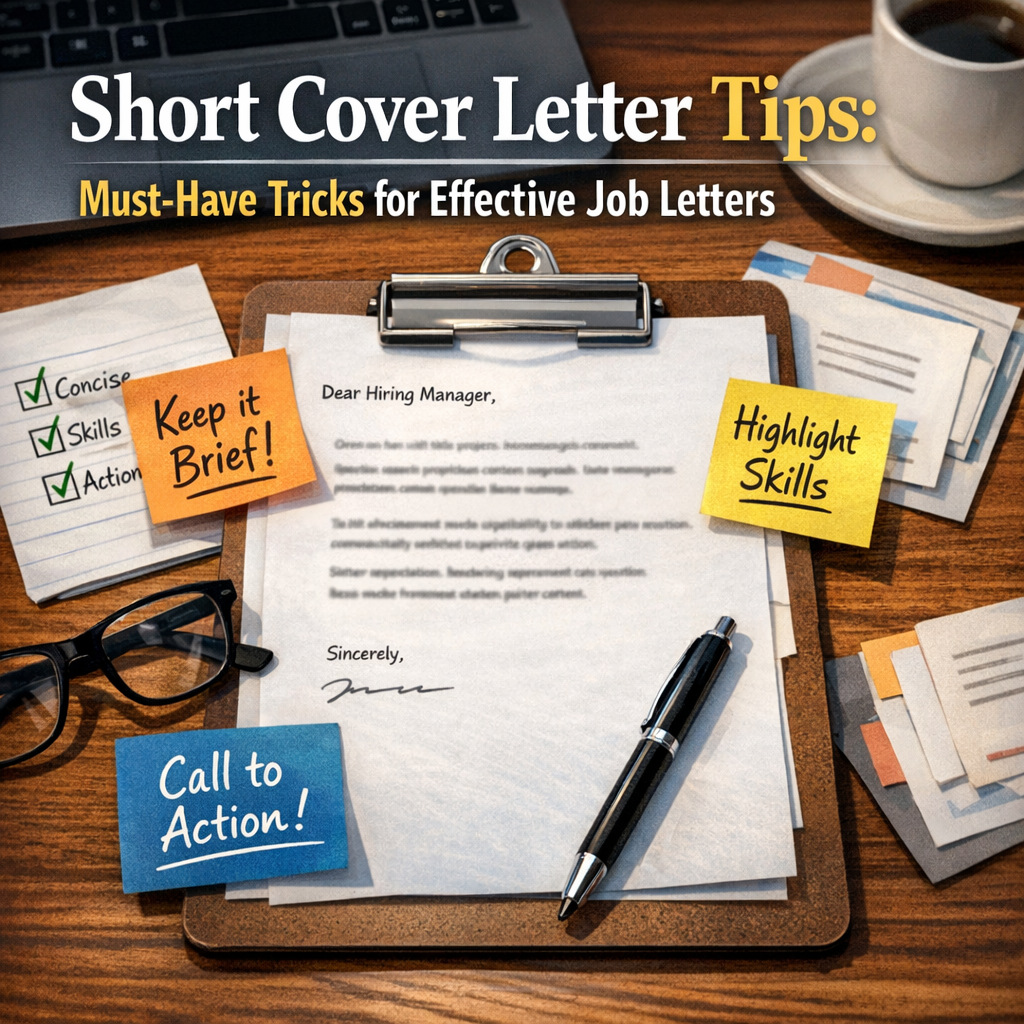
In today’s fast-paced job market, hiring managers often skim through dozens, if not hundreds, of applications. A lengthy cover letter might discourage them from reading it entirely. On the other hand, a well-written short cover letter can immediately grab attention and convey your qualifications efficiently. The goal is to balance professionalism with brevity, providing a snapshot of your relevant experience, goals, and what you bring to the table—all within a single page or less.
Key Elements of an Effective Job Letter
Before diving into writing, understanding the essential components of an effective job letter helps steer your content toward success:
– Personalized Greeting: Address the hiring manager or recruiter by name, if possible. A generic “To whom it may concern” feels impersonal.
– Clear Purpose Statement: Begin with a concise introduction that states the position you’re applying for and briefly how you learned about it.
– Relevant Skills and Experiences: Highlight your qualifications that match the job description, focusing on those that make you uniquely suitable.
– Demonstrated Enthusiasm: Employers want candidates who are genuinely interested and motivated, so express your excitement about the role or company.
– Strong Closing: End with a call to action, such as expressing your desire for an interview or further discussion.
– Professional Tone and Formatting: Keep your language professional but friendly, and ensure your letter is visually easy to read.
Short Cover Letter Tips for Concise and Impactful Application Writing
1. Start With a Hook
Begin your cover letter with a compelling sentence that grabs attention. Rather than a generic opening, try to incorporate a statement about your passion for the industry or how your skills align with the company’s values. For example:
> “With a proven background in digital marketing and a passion for data-driven decision-making, I am excited to apply for the Marketing Analyst role at [Company].”
2. Tailor Each Letter to the Job
One common mistake in application writing is sending out generic cover letters. Each short cover letter should be customized to reflect the specific requirements of the job posting. Scan the job description to identify the top skills or experiences the employer emphasizes, and make sure these are front and center in your letter.
3. Use Bullet Points for Clarity
When highlighting your key qualifications, bullet points can make your cover letter easier to read and more visually appealing. Use this technique to quickly showcase your most relevant achievements. For example:
– Spearheaded a 20% increase in sales through targeted marketing strategies
– Managed cross-functional teams in fast-paced project environments
– Developed content that boosted user engagement by 35%
4. Avoid Redundancy
In a short cover letter, every word counts. Avoid repeating information that is already in your resume. Instead of restating job duties, focus on accomplishments or soft skills that demonstrate your potential impact on the company.
5. Keep Sentences Short and Direct
Long, complex sentences can dilute your message. Stick to shorter sentences that get directly to the point. This approach improves clarity and keeps the reader engaged.
6. Showcase Soft Skills and Cultural Fit
While hard skills are crucial, don’t overlook soft skills like communication, adaptability, or teamwork—especially if the job description highlights company culture. You can briefly mention how your values align with the company or how your interpersonal skills make you an ideal candidate.
7. End With a Confident Call to Action
Close your letter by thanking the recipient for their time and expressing your eagerness to discuss your application in more detail. Example:
> “I would welcome the opportunity to further discuss how my background and skills could contribute to the success of [Company]. Thank you for considering my application.”
Final Thoughts on Crafting an Effective Job Letter
Mastering a short cover letter requires a blend of focus, clarity, and customization. By carefully selecting your words and structuring your letter to highlight your most relevant qualifications and enthusiasm, you can create an effective job letter that stands out from the competition. Remember, the purpose of the cover letter is to entice the employer to explore your resume further—not to tell your entire story. Keep it concise, purposeful, and personal, and you’ll greatly increase your chances of landing that coveted interview.
By implementing these essential tips into your application writing, your job letters will not only reflect professionalism but also demonstrate your genuine interest and readiness to contribute—making you a memorable candidate in any hiring process.