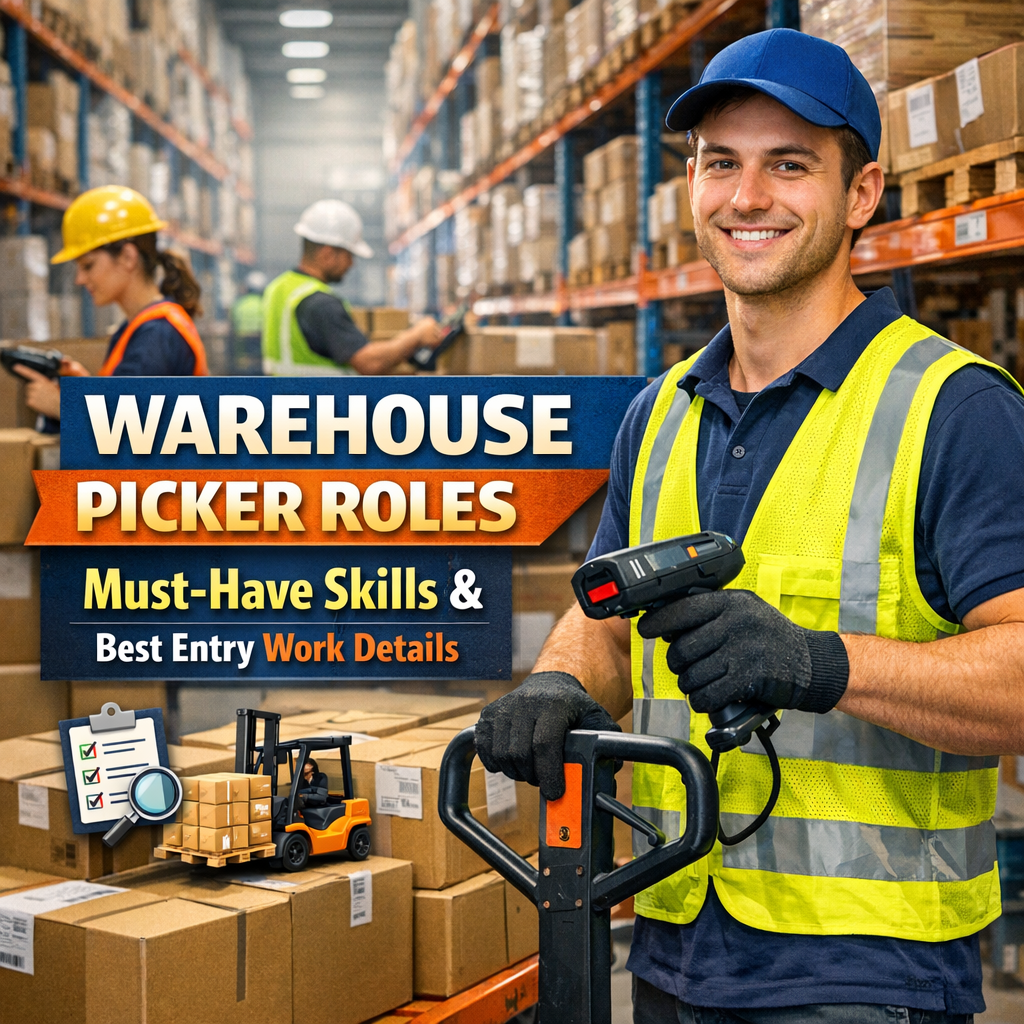
Warehouse Picker Roles: Must-Have Skills and Best Entry Work Details
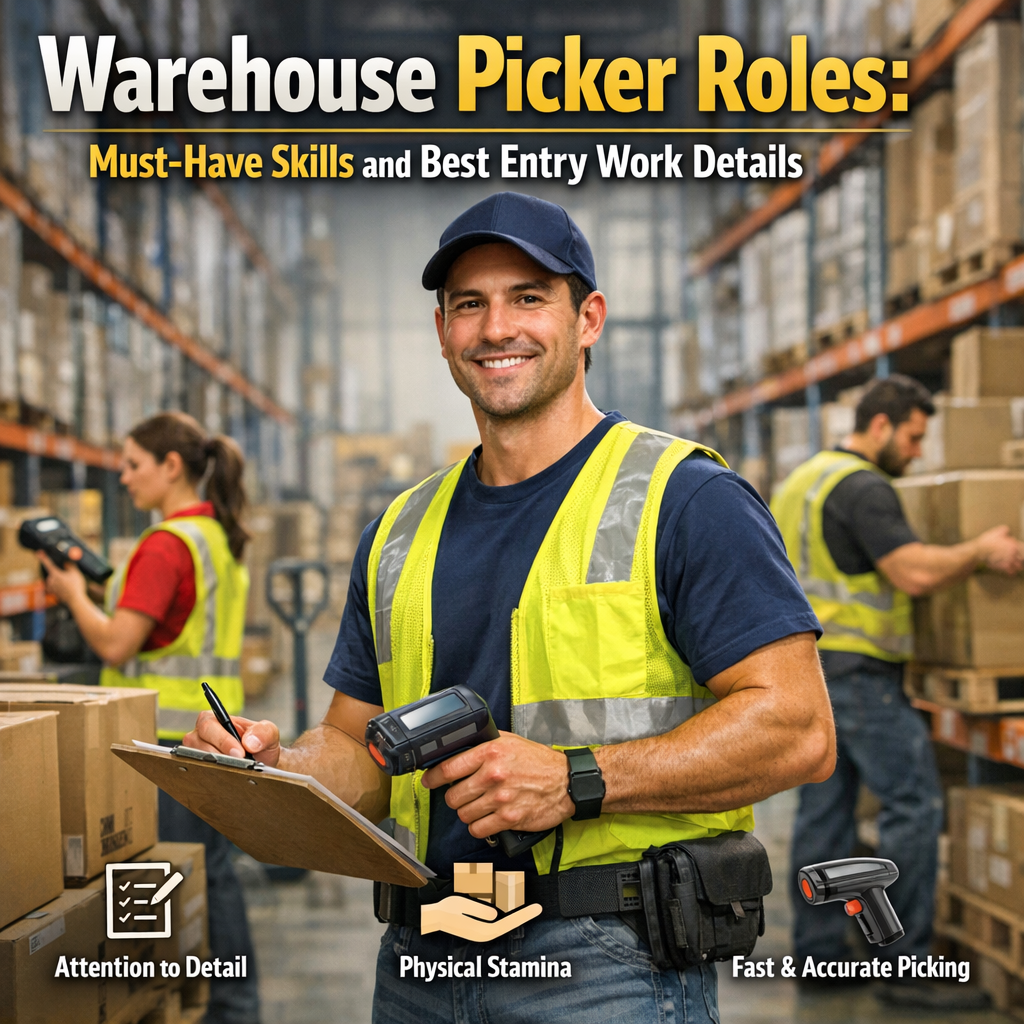
Warehouse picker roles are essential positions within the supply chain and logistics industry. These roles involve selecting and preparing products for shipment, ensuring that orders are accurate, and supporting smooth warehouse operations. As companies continue to expand their logistics networks, understanding the must-have skills for warehouse picker roles and the best entry work details is crucial for job seekers and hiring managers alike.
Understanding Warehouse Picker Roles
A warehouse picker is responsible for locating items in a warehouse based on order sheets or computer-generated lists and preparing them for packing and shipping. This job requires a combination of physical ability, attention to detail, and organizational skills. The accuracy and speed with which pickers perform their tasks directly impact customer satisfaction, inventory management, and overall warehouse efficiency.
Warehouse picker roles often serve as entry points into the logistics and warehousing sector. For many, these positions provide valuable exposure to logistics operations, inventory control systems, and teamwork in a fast-paced environment. Hence, grasping the core competencies and entry work details helps individuals begin their logistics career on the right foot.
Must-Have Skills for Warehouse Picker Roles
1. Attention to Detail
One of the most critical skills in warehouse picker roles is attention to detail. Pickers must accurately identify items according to product codes or descriptions to avoid shipping errors. Mistakes can lead to costly returns, customer dissatisfaction, and disruptions in the supply chain. Therefore, meticulousness is essential for maintaining high order accuracy.
2. Physical Stamina and Dexterity
Warehouse picking typically involves long hours on foot, lifting boxes, and navigating storage racks. Being physically fit and having good dexterity helps workers manage these demands efficiently. Many pickers operate forklifts, pallet jacks, or handheld scanners, requiring coordination and comfort with manual tasks.
3. Time Management and Efficiency
Logistics operations tend to be time-sensitive, especially when handling large volumes of orders during peak seasons. A warehouse picker with strong time management skills can prioritize tasks, work quickly without sacrificing accuracy, and meet daily quotas or deadlines.
4. Basic Computer Literacy
While picking itself is manual, most modern warehouses rely on Warehouse Management Systems (WMS) that guide pickers through electronic devices such as handheld scanners or tablets. Comfort with technology and the ability to follow digital instructions accurately are increasingly necessary.
5. Communication and Teamwork
Warehouse environments are collaborative spaces. Effective communication with supervisors, packers, and other warehouse personnel fosters a smooth workflow. Warehouse picker roles often require workers to report issues, update inventory statuses, or coordinate with shipping departments.
Best Entry Work Details for Warehouse Picker Roles
Orientation and Training
For newcomers, the best entry work details usually begin with comprehensive orientation and on-the-job training. This stage covers warehouse safety protocols, an introduction to inventory systems, equipment handling, and best practices for picking items. Training periods vary but often emphasize hands-on experience under supervision.
Task Rotation and Shadowing
Many warehouses implement task rotation or job shadowing during the initial days. This approach allows new pickers to familiarize themselves with different sections of the warehouse and understand the workflow between picking, packing, and shipping. Such exposure helps entry-level workers find their strengths and improve overall competence.
Use of Technology
New hires quickly familiarize themselves with handheld devices or voice-picking systems as part of the entry work details. Learning to operate these technologies efficiently is often supported through step-by-step instructions and practice runs to reduce errors and increase productivity.
Safety Procedures and Ergonomics
Warehouse picker roles demand strict adherence to safety standards. During the initial employment phase, candidates learn safe lifting techniques, emergency procedures, and the ergonomics of handling goods. These practices help prevent injuries and maintain a healthy work environment.
Performance Monitoring and Feedback
Entry work details also include regular feedback sessions. Supervisors monitor new employees’ accuracy, speed, and teamwork, providing constructive guidance. This feedback loop encourages continuous improvement and helps pickers reach their full potential.
Logistics Hiring: Preparing for Warehouse Picker Roles
Logistics hiring managers prioritize candidates who demonstrate a willingness to learn, reliability, and a proactive attitude. Because warehouse picker roles can lead to career advancement into areas like inventory control, shipping coordination, or warehouse supervision, showcasing key skills during the hiring process is beneficial.
Job seekers can improve their chances by highlighting experience in physically demanding jobs, familiarity with inventory software, and ability to work in team settings. In addition, emphasizing punctuality, flexibility in shift work, and a strong work ethic aligns well with logistics employers’ expectations.
Conclusion
Warehouse picker roles play a vital part in ensuring efficient logistics and supply chain operations. Whether you are an aspiring warehouse picker or involved in logistics hiring, understanding the must-have skills and best entry work details is fundamental. Attentiveness, physical stamina, technology proficiency, and adaptability stand out as key traits for success. With proper training and a commitment to safety and accuracy, individuals can thrive in warehouse environments and build rewarding careers within the fast-growing logistics sector.