Entry HR Jobs: Must-Have Tips for Affordable Human Resources Careers
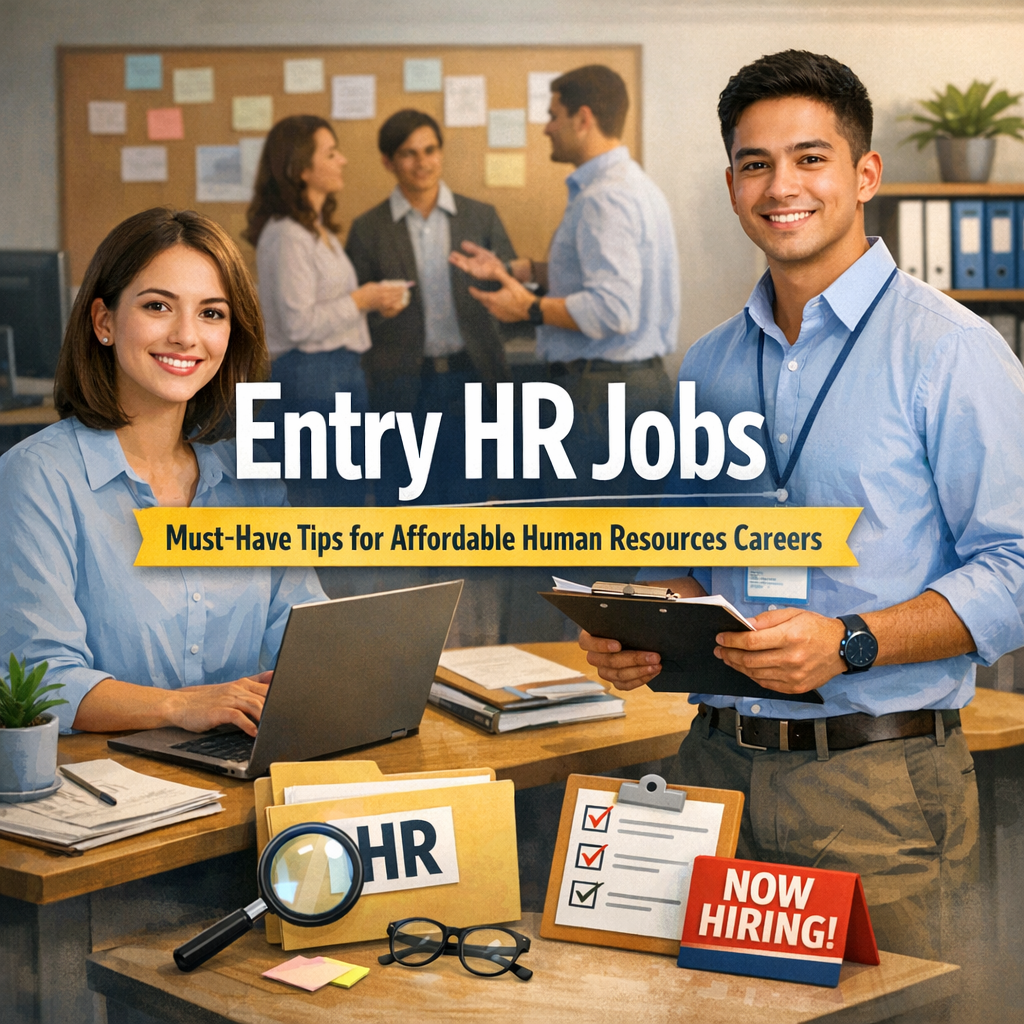
Starting a career in human resources can be both exciting and challenging. Entry HR jobs offer a great opportunity for those looking to break into this dynamic field, providing a foundation to build essential skills and gain valuable experience. Whether you are fresh out of college or transitioning from another industry, understanding how to navigate the landscape of beginner office roles in HR is crucial. This article dives into must-have tips to help you launch an affordable and rewarding human resources career.
Understanding Entry HR Jobs and Their Importance
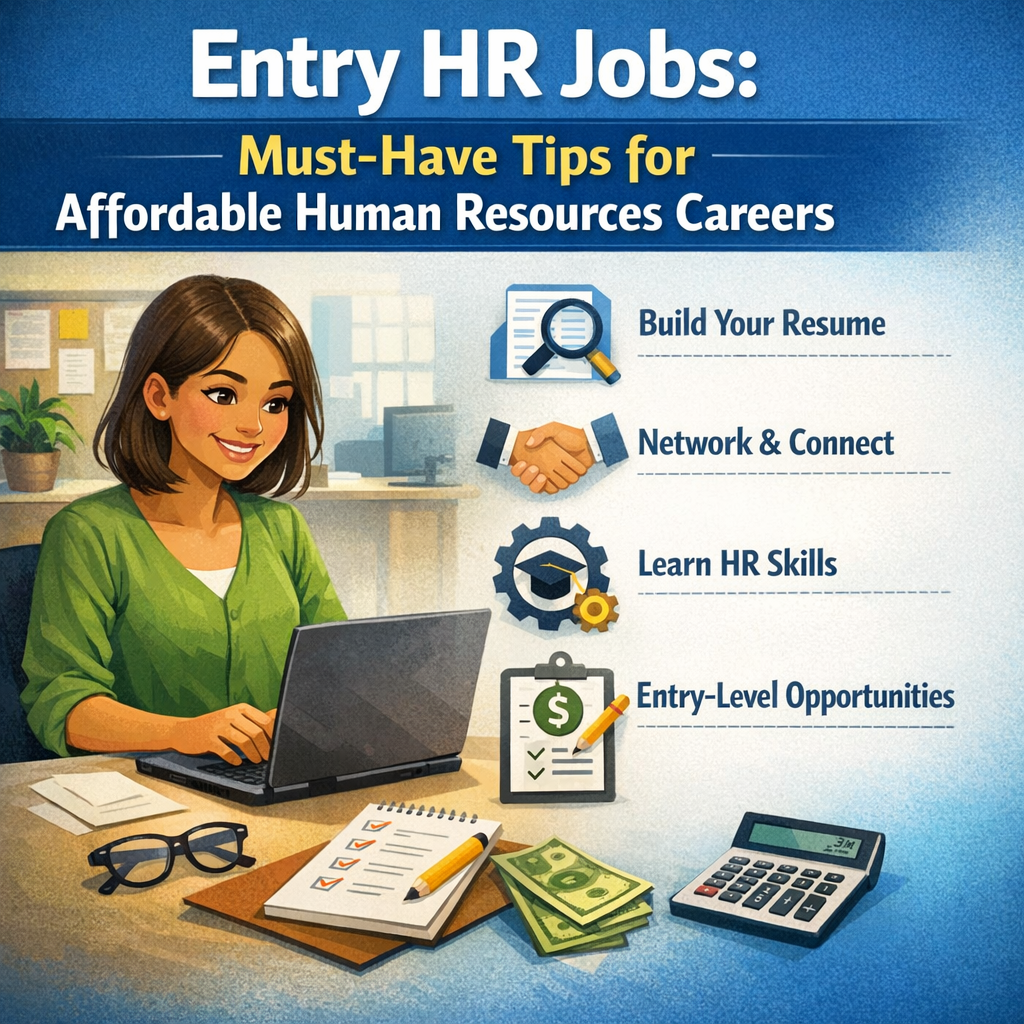
Entry HR jobs typically include roles such as HR assistant, recruiting coordinator, payroll clerk, and benefits administrator. These positions serve as the backbone of any HR department, handling fundamental tasks like employee records management, recruitment support, and compliance documentation. For someone new to the field, these roles offer an ideal environment to develop a comprehensive understanding of HR functions.
Starting with entry-level positions allows you to get hands-on experience with everyday HR tasks, sharpening your organizational and communication skills. Importantly, these jobs set the stage for advancing in human resources careers by exposing you to various HR processes and systems.
Tips for Securing Entry HR Jobs Without Breaking the Bank
When thinking about human resources careers, one common concern is the cost associated with education and job hunting. Fortunately, affordable pathways exist for aspiring HR professionals.
1. Leverage Free and Low-Cost Learning Resources
Before applying for beginner office roles, it’s essential to understand core HR concepts such as employment law, recruitment, employee relations, and payroll systems. Numerous websites and platforms offer free or inexpensive courses on these topics. Websites like Coursera, LinkedIn Learning, and even YouTube provide accessible content without the high price tag.
Additionally, reading industry blogs, HR forums, and official government labor department sites can keep you informed about the latest trends and compliance changes.
2. Gain Practical Experience Through Internships or Volunteering
Many organizations offer internships or volunteer positions within their HR departments. These opportunities allow you to build your resume while getting familiar with HR software and daily operations. Since some internships are unpaid or low-paying, they can be an affordable way to gain practical experience before seeking paid entry HR jobs.
Community centers, non-profits, and startups often need HR help but lack formal HR staff. Volunteering with such organizations can enhance your skills and network simultaneously.
3. Tailor Your Resume for Beginner Office Roles in HR
When starting out, your resume should highlight transferable skills like communication, organization, attention to detail, and confidentiality. Even if you haven’t held HR-specific positions, roles in customer service, administration, or sales all build relevant experience for HR jobs.
Utilize keywords from job postings such as “employee support,” “data entry,” and “recruitment assistance” to ensure your application matches what employers seek.
Exploring Affordable Certification Options in Human Resources Careers
While some advanced HR roles require certification, many entry HR jobs do not. However, obtaining a certification can increase your chances of landing a position and boost your salary potential.
One of the most affordable and widely recognized certifications for beginners is the SHRM Essentials of Human Resources. This program covers vital HR topics and provides a certificate that can set you apart from other candidates.
Other budget-friendly certifications include:
– HRCI’s Associate Professional in Human Resources (aPHR): Designed for those new to HR, aPHR certification proves your foundational knowledge.
– Online micro-certifications and badges offered by HR-focused organizations.
Keep in mind that many employers offer tuition reimbursement or support for certification as you prove your value on the job.
Making the Most of Your First HR Job
Landing entry HR jobs is just the first step. To build a sustainable career in human resources, consider these strategies:
– Network Actively: Join HR groups on LinkedIn and local HR associations to meet professionals and discover job openings.
– Ask for Feedback: Regularly seek input from supervisors and colleagues to improve your skills and demonstrate your commitment.
– Stay Updated: HR laws and technologies evolve constantly. Staying current helps you provide better support and positions you for promotions.
– Set Career Goals: Whether you want to specialize in recruitment, employee development, or HR analytics, early planning can guide your learning and job choices.
Conclusion
Entry HR jobs are a valuable gateway to thriving human resources careers, especially when approached with strategic planning and an eye on affordability. By focusing on skill-building through accessible education, gaining practical experience, and obtaining relevant certifications when possible, you can confidently step into the world of beginner office roles in HR. Remember, every expert began with a first job—make yours count by preparing well and embracing the opportunities ahead.