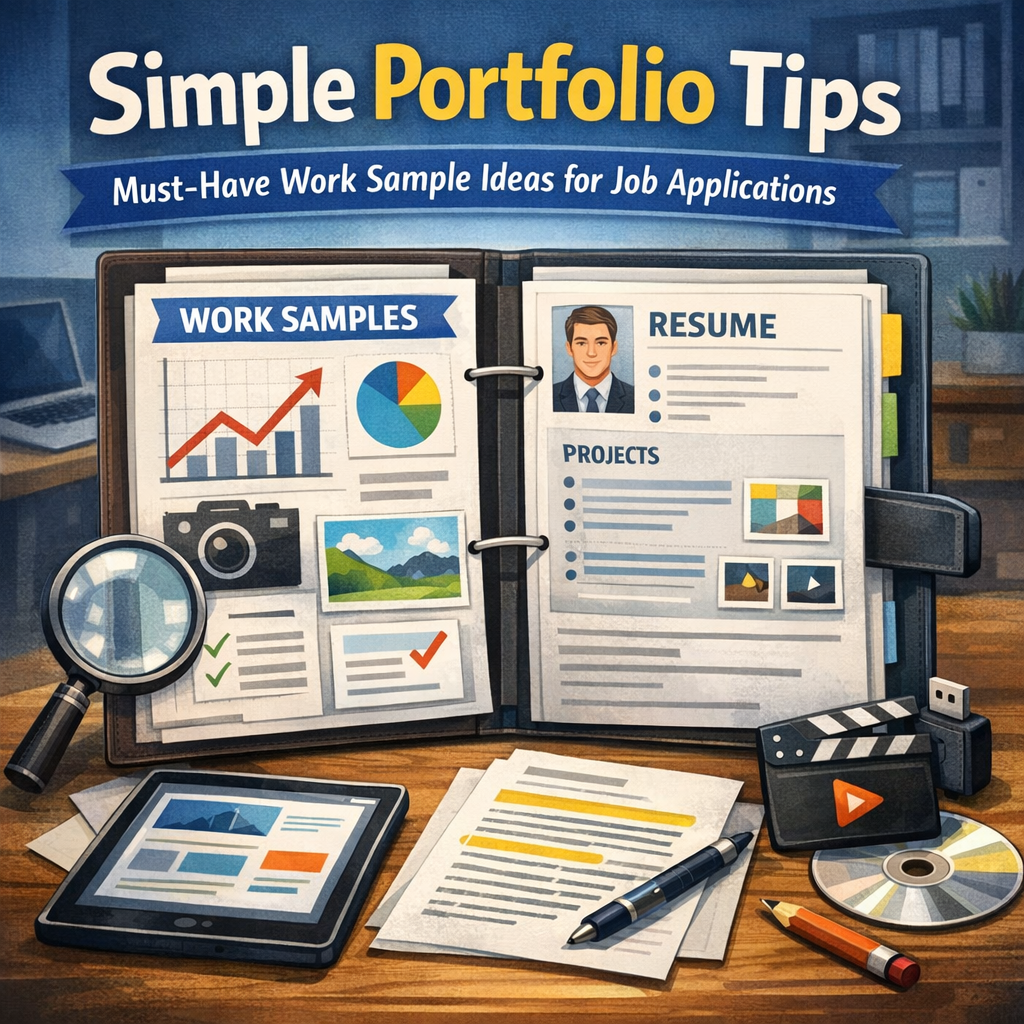
Simple Portfolio Tips: Must-Have Work Sample Ideas for Job Applications
Creating a simple portfolio that effectively showcases your skills and experience can make a significant difference when applying for jobs. A well-curated portfolio serves as tangible proof of your abilities and professionalism, giving potential employers a clear sense of your value beyond just a resume. Incorporating the right work sample ideas into your portfolio will help you stand out in the sea of applicants by providing concrete examples of your work and demonstrating your suitability for the role.
Why Your Portfolio Matters as Job Application Proof
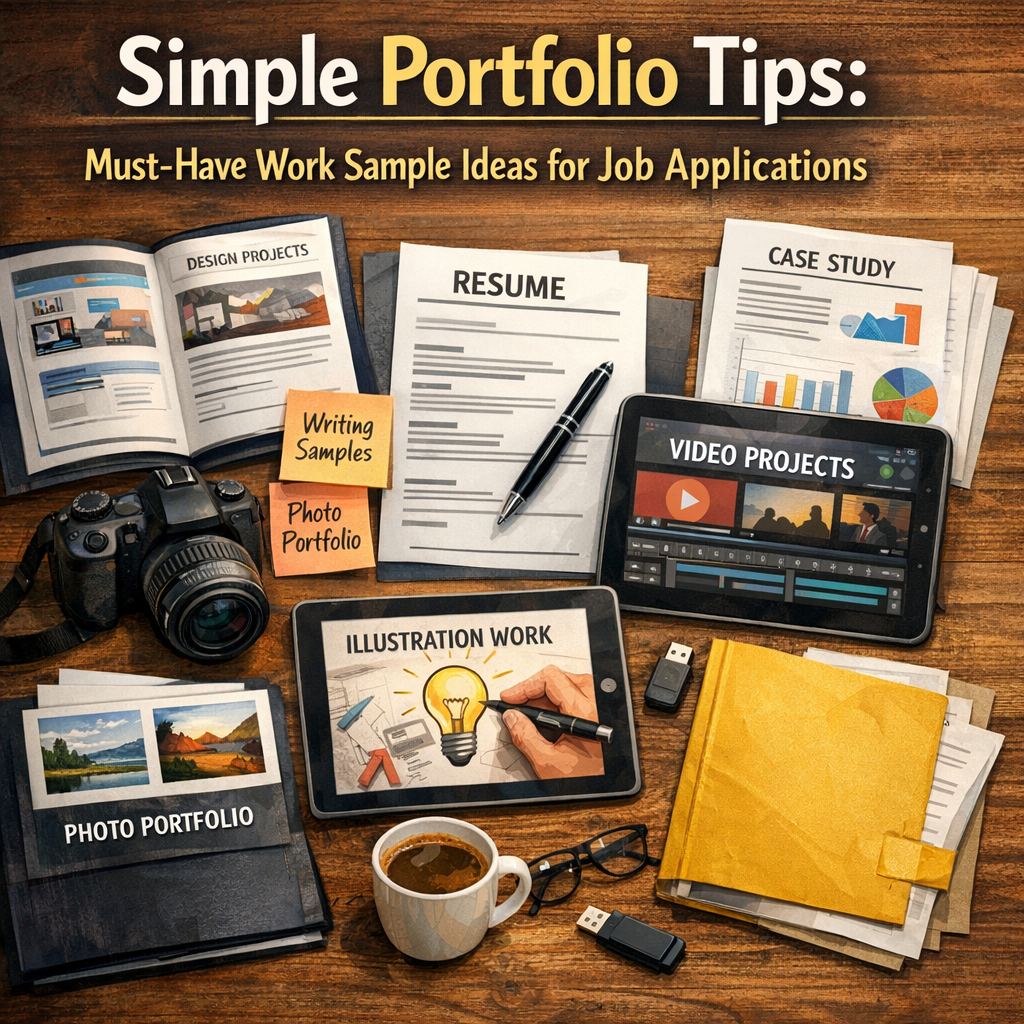
In today’s competitive job market, recruiters receive hundreds of resumes for every open position. While a resume details your qualifications and experience, a portfolio gives proof—real, visible demonstrations of what you can do. Employers want to see not only what you claim to have done but also tangible outcomes of your efforts. This is where your portfolio becomes a powerful tool.
A portfolio filled with thoughtful and relevant work samples can:
– Validate your skills and achievements.
– Show your problem-solving approach and creativity.
– Highlight a range of competencies appropriate to the job.
– Provide talking points during interviews.
That’s why having a simple portfolio that is easy to navigate and includes the right mix of work samples is crucial.
Simple Portfolio Tips: Organizing Your Work Samples
When building a portfolio, simplicity is key. You want hiring managers to quickly understand your strengths without wading through unnecessary clutter or irrelevant projects. Keep the design clean, the navigation intuitive, and the content focused. Here are some tips for building an effective portfolio:
1. Choose Quality Over Quantity
Instead of overwhelming your portfolio with every project you’ve ever done, select 4 to 6 of your best works that are directly related to the job you’re applying for. Focus on pieces that demonstrate your skills, creativity, and problem-solving abilities pertinent to the position.
2. Categorize Your Work Samples
If you have a variety of projects, group them by category such as design, writing, marketing campaigns, coding projects, or client work. Categorization helps recruiters quickly find the type of work that interests them most and see your versatility.
3. Add Context and Results
A standout portfolio isn’t just a gallery of images or documents; it tells a story. For each work sample, briefly describe the project’s objective, your role, the tools or skills used, and most importantly, the results or impact. Including measurable outcomes (like increased website traffic, sales growth, or client testimonials) adds credibility.
4. Keep it Accessible
If you’re using an online portfolio, ensure it’s mobile-friendly and easy to navigate. If you prefer a PDF or physical portfolio, make sure it’s visually clean and free from technical glitches or low-quality images.
Work Sample Ideas That Impress Employers
Knowing what kinds of work samples to include can be challenging. The key is relevance and diversity, balanced around the job requirements. Below are some effective work sample ideas you can incorporate into your portfolio based on common roles:
For Creative Roles (Designers, Writers, Marketers)
– Design Mockups & Final Projects: Show the entire process from rough sketches to polished work.
– Writing Samples: Include articles, blog posts, case studies, or marketing copy.
– Campaign Case Studies: Outline strategy, execution, and results of marketing efforts.
– Branding Materials: Logos, brochures, social media posts, and other collateral.
For Technical Roles (Developers, Engineers, Analysts)
– Code Snippets or GitHub Repositories: Share links to projects demonstrating your coding ability.
– Technical Documentation: Manuals, reports, or data analyses you’ve authored.
– Problem-Solving Examples: Include explanations of challenges faced and how you resolved them.
– Project Outcome Reports: Highlight timelines, technologies used, and successful results.
For Business & Administrative Roles
– Project Plans and Presentations: Demonstrate organizational and leadership skills.
– Excel Spreadsheets or Dashboards: Show data management and analytical proficiency.
– Process Improvement Documents: Highlight how you enhanced efficiency or reduced costs.
– Client or Team Feedback: Testimonials that speak to your reliability and professionalism.
Making Your Portfolio a Standout Job Application Proof
Incorporating these simple portfolio tips and strategic work sample ideas turns your collection of work into compelling evidence of your qualifications. Treat your portfolio as a living document—regularly update it with new projects, refine descriptions, and tailor the selection to each job application.
Remember, each portfolio item should build your narrative: you are a capable, proactive professional who goes beyond the expected and achieves measurable success. When employers see your compelling proof, your chances of landing that interview and ultimately the job will soar.
—
By focusing on clarity, relevance, and authenticity, your straightforward portfolio will become one of your strongest tools in your job search arsenal. Start building today with these guidelines and watch how your job applications transform from a pile of resumes into standout opportunities.