Job Documents Checklist: Must-Have Application Paperwork for Effortless Hiring Prep
When it comes to navigating the often complex process of job hunting, having a well-organized job documents checklist is essential for smooth and efficient hiring prep. Preparing the right application paperwork ahead of time not only saves you from last-minute stress but also increases your chances of making a strong impression on potential employers. Whether you’re applying for your first job or transitioning into a new role, this guide breaks down the key documents you need to have ready, so your job search can be as seamless as possible.
Why a Job Documents Checklist is Important
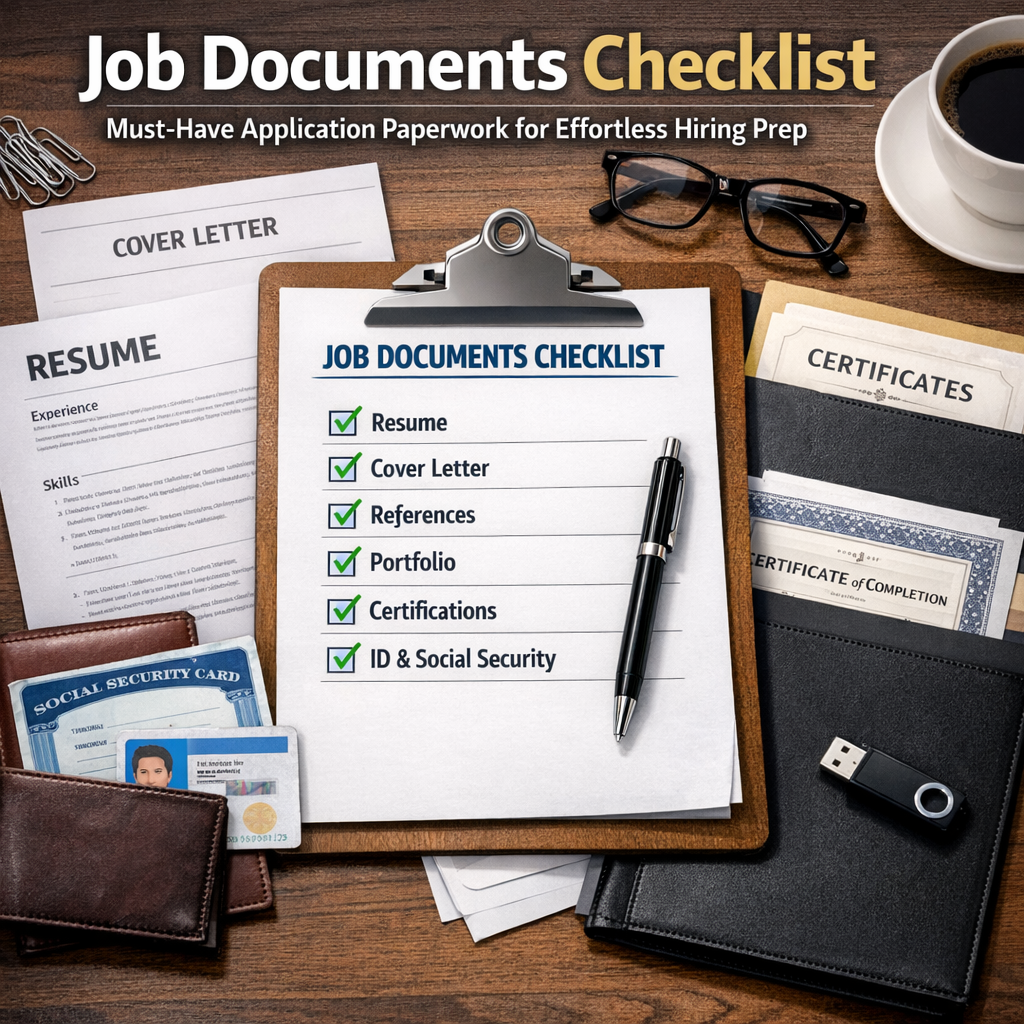
Many candidates underestimate the power of being fully prepared with the correct paperwork during the hiring process. A comprehensive job documents checklist ensures you can quickly provide any information required during application submissions, interviews, or background checks, thereby avoiding unnecessary delays.
Employers often request various documents that verify your qualifications, experience, and eligibility to work. Missing paperwork might lead to your application being overlooked or delayed, putting you at a disadvantage. On the other hand, presenting a complete set of documents reflects professionalism, attention to detail, and genuine interest in the position.
Essential Application Paperwork for Hiring Prep
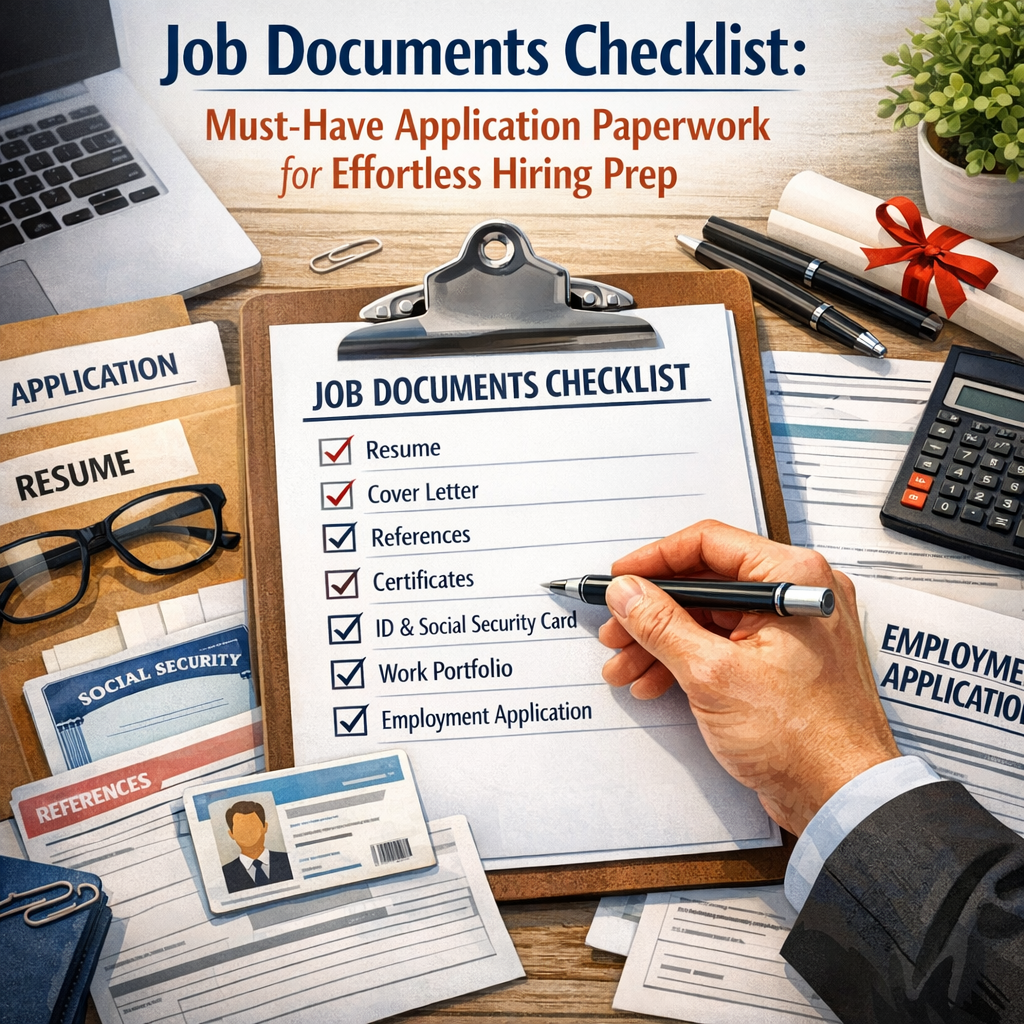
To streamline your application process and stand out in a competitive job market, make sure you have these crucial documents organized and ready:
1. Resume or Curriculum Vitae (CV)
Your resume or CV is the cornerstone of your job application. It should be polished, up-to-date, and tailored to highlight relevant skills and experiences that match the job description. Keep multiple versions on hand if you are applying to different roles with varying requirements.
2. Cover Letter
Though sometimes optional, a well-written cover letter can set you apart by communicating your enthusiasm for the role and explaining why you are the ideal candidate. Customize each cover letter to reflect how your background aligns with the company and position.
3. References List
Prepare a list of professional references who can vouch for your work ethic and skills. Include their names, titles, contact information, and your relationship to them. Always ask permission before listing someone as a reference.
4. Educational Certificates and Transcripts
Many employers need proof of your educational qualifications. Keep copies of your diplomas, degree certificates, and transcripts accessible. For specialized or technical roles, certification and training documents may also be required.
5. Identification Documents
Proof of identity and work eligibility is mandatory in most hiring processes. Common documents include a driver’s license, passport, or social security card. Verify which forms of ID are acceptable for your country or industry.
6. Portfolio or Work Samples
If you work in a creative or technical field, compiling a professional portfolio or work samples allows employers to assess your abilities firsthand. This can include writing samples, design projects, coding examples, or presentations.
7. Application Forms
Some employers or agencies require you to fill out their internal application forms in addition to submitting your resume. Having completed forms or the information ready will speed up the process.
8. Background Check Authorization
Certain jobs, especially those in healthcare, education, or government sectors, require background checks. Be prepared to provide consent forms or additional documentation necessary for these checks.
Additional Documents That May Be Required
Depending on the job and industry, other paperwork might be needed as part of your hiring prep, such as:
– Work experience letters or employment verification letters
– Salary slips or proof of income for verification
– Medical fitness certificates
– Security clearance certifications
– Non-disclosure agreements (NDAs)
Always review the job posting and employer instructions carefully to ensure you submit all requested documents.
Tips for Organizing Your Job Documents Checklist
Keeping your documents organized and easily accessible is a game changer in the job search process. Here are some practical tips:
– Use digital folders: Store electronic copies of your documents in clearly labeled folders on your computer or cloud storage.
– Create a physical file: Maintain printed copies in a folder or binder for in-person interviews or situations where paper documents are preferred.
– Regularly update: Revisit your documents every few months to update your resume and add any recent certifications or achievements.
– Scan originals: Have scanned or digital versions of essential documents ready in case you need to email them quickly.
– Keep backups: Save copies of all documents on a secondary device or cloud service to avoid accidental loss.
Final Thoughts
A detailed job documents checklist is more than just a helpful tool; it’s an essential asset for anyone serious about efficient and confident hiring prep. By ensuring you have all necessary application paperwork ready beforehand, you’ll minimize stress, demonstrate professionalism, and significantly improve your chances of landing your desired job. Taking the time to prepare now can save you countless headaches later and position you as the ideal candidate employers are eager to hire. So, start assembling your checklist today and approach your job search with clarity and confidence!