Career Change Resume: Must-Have Tips for an Effortless Transition
Making a career change can be both exciting and challenging. One of the most crucial steps in this transition is crafting a career change resume that effectively showcases your qualifications and aligns with your new industry. Whether you’re moving into technology, healthcare, marketing, or any other field, a well-structured resume can be the key to landing interviews and ultimately securing a new role. This article will explore essential tips to help you create a compelling career change resume that highlights your transferable skills and meets the expectations of your target industry.
Understanding the Importance of a Career Change Resume
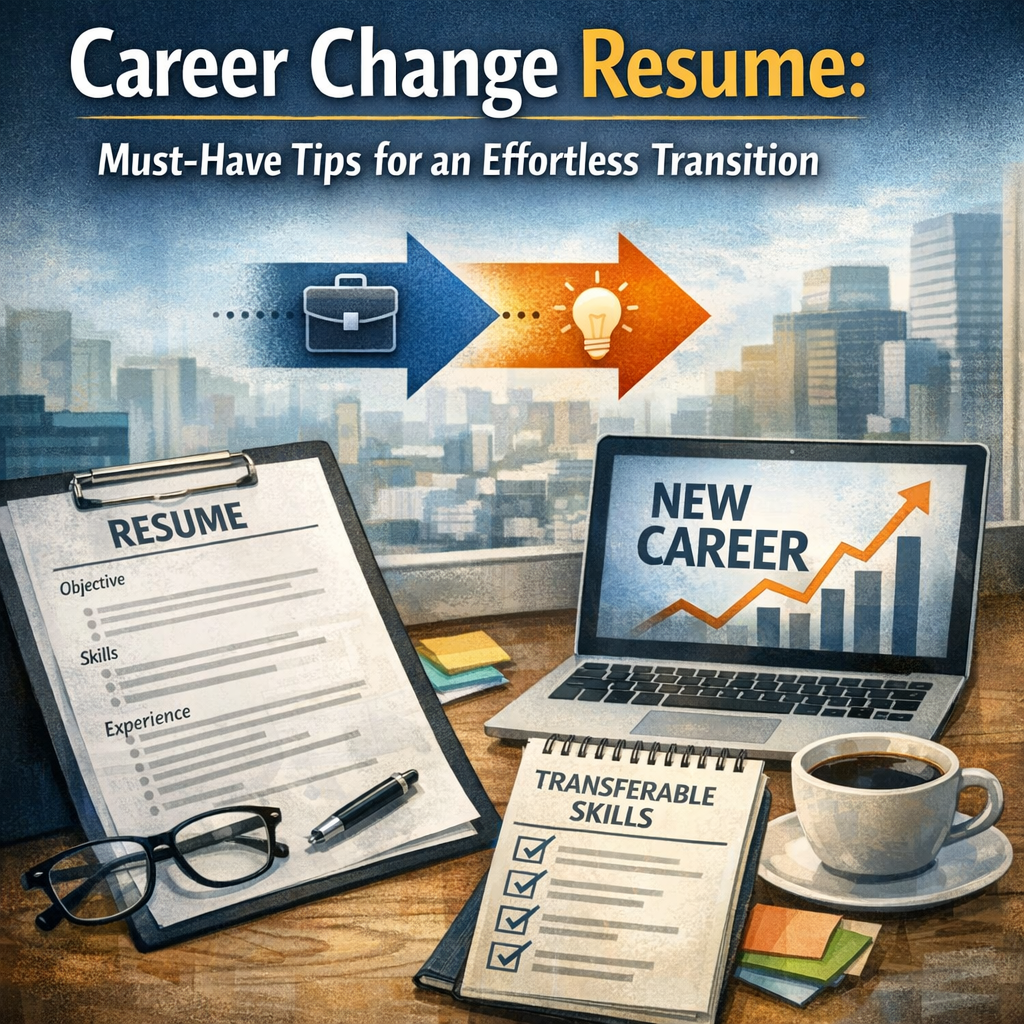
Unlike a traditional resume that focuses on your past roles within a specific field, a career change resume must do more than just list previous job responsibilities. It needs to narrate your professional story in a way that connects your past experiences with your future ambitions. Employers want to see how your skills and background can benefit their organization, even if your previous roles were in a different sector.
One common concern for career changers is how to frame their experience without focusing on what they lack. A career change resume addresses this by emphasizing what you can bring to the table—it’s all about the right presentation, positioning your existing skills in a new light, tailored for your desired industry.
Highlighting Transferable Skills on Your Career Change Resume
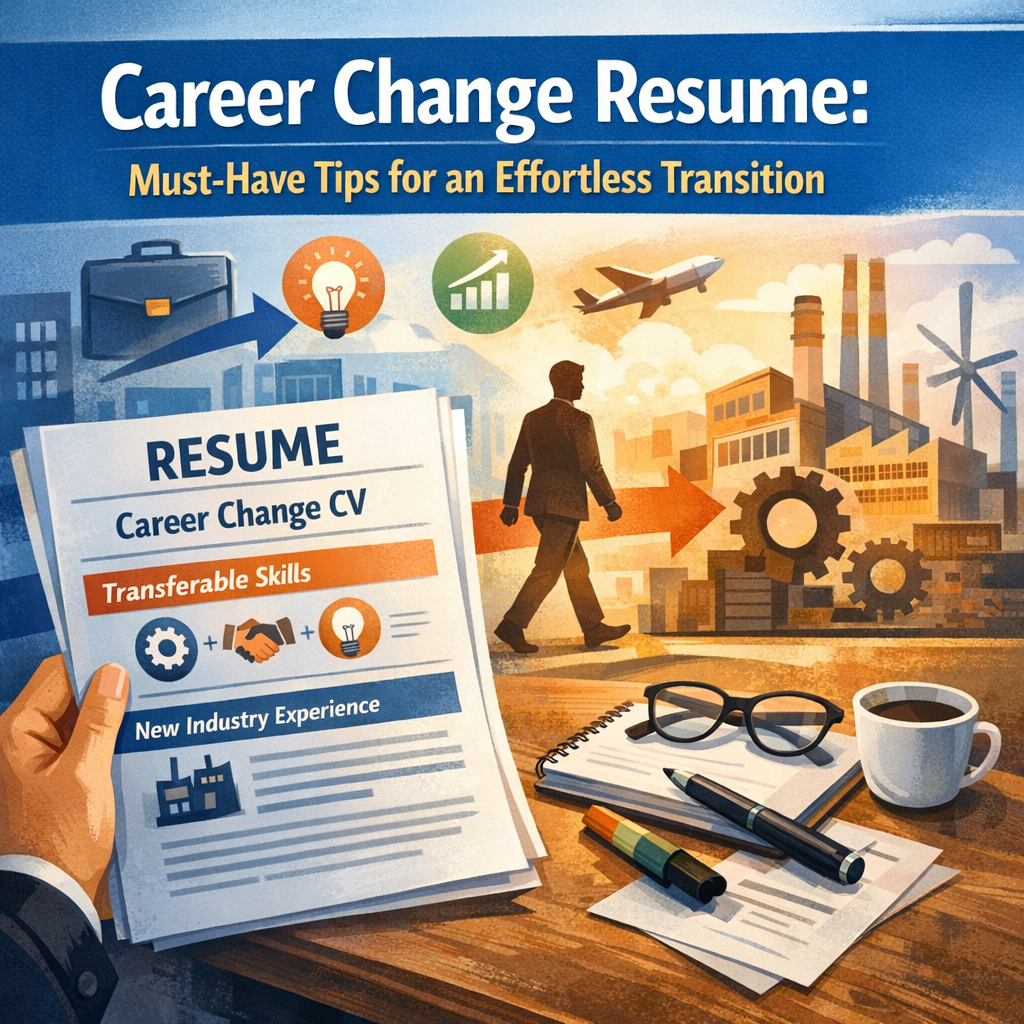
At the heart of a successful career change resume is the strategic use of transferable skills—abilities you have acquired in previous roles that are relevant to your new field. These skills often include communication, project management, problem-solving, leadership, and technical proficiency. Identifying and effectively presenting these will make your application stronger.
How to Identify Transferable Skills
Start by analyzing job descriptions within your target industry to understand what skills are in demand. Then, review your past roles and experiences, including volunteering, hobbies, or education, to find overlaps. For example:
– If you’re moving from sales to human resources, your negotiation and interpersonal skills are highly relevant.
– Transitioning from teaching to corporate training means your public speaking, organization, and curriculum development skills will shine.
Structuring a New Industry CV for Maximum Impact
Your new industry CV should be designed with clarity and relevance in mind. Here are crucial formatting and structural elements to consider:
1. Use a Functional or Hybrid Resume Format
While chronological resumes focus on your career timeline, a functional or hybrid format emphasizes skills and achievements. This approach downplays less relevant job titles or industries and puts the spotlight on how your competencies align with the new role.
2. Craft a Strong Summary Statement
Open your resume with a summary statement or objective that clearly communicates your career change intentions. This brief section should highlight your enthusiasm for the new field, your key transferable skills, and your commitment to growth.
Example:
> “Dynamic professional transitioning from finance to digital marketing with strong analytical skills, creativity, and experience managing cross-functional projects. Eager to leverage a passion for data-driven strategies to contribute to brand growth.”
3. Tailor Your Experience to Your Target Industry
Even if your past job titles aren’t a perfect fit, describe your responsibilities and achievements in terms that resonate with your new industry. Use industry-specific keywords and quantify your results to demonstrate impact.
4. Include Relevant Education and Certifications
If you’ve undertaken courses, certifications, or workshops related to your new field, list them prominently. This shows that you’re committed to learning and serious about your career transition.
Additional Tips for an Effortless Career Change Resume
– Leverage Your Network: References and connections within your desired industry can vouch for your skills and work ethic, adding credibility to your resume.
– Be Honest but Positive: Don’t try to oversell unrelated experience; instead, focus on the value your background brings.
– Showcase Soft Skills: Traits like adaptability, teamwork, and problem-solving are especially important during career changes.
– Use Action Verbs: Start bullet points with strong verbs such as “led,” “developed,” “collaborated,” or “implemented” to make your resume vibrant and dynamic.
Conclusion
Creating a career change resume can feel daunting, but with the right approach, it becomes a powerful tool to unlock new professional opportunities. By focusing on transferable skills and tailoring your new industry CV to meet employer expectations, you position yourself for a smoother transition. Remember, the goal of your resume is not just to recount your past but to convince hiring managers that you have what it takes to succeed in your new career path. Use these tips to craft a resume that speaks confidently about your potential and opens doors to exciting possibilities.