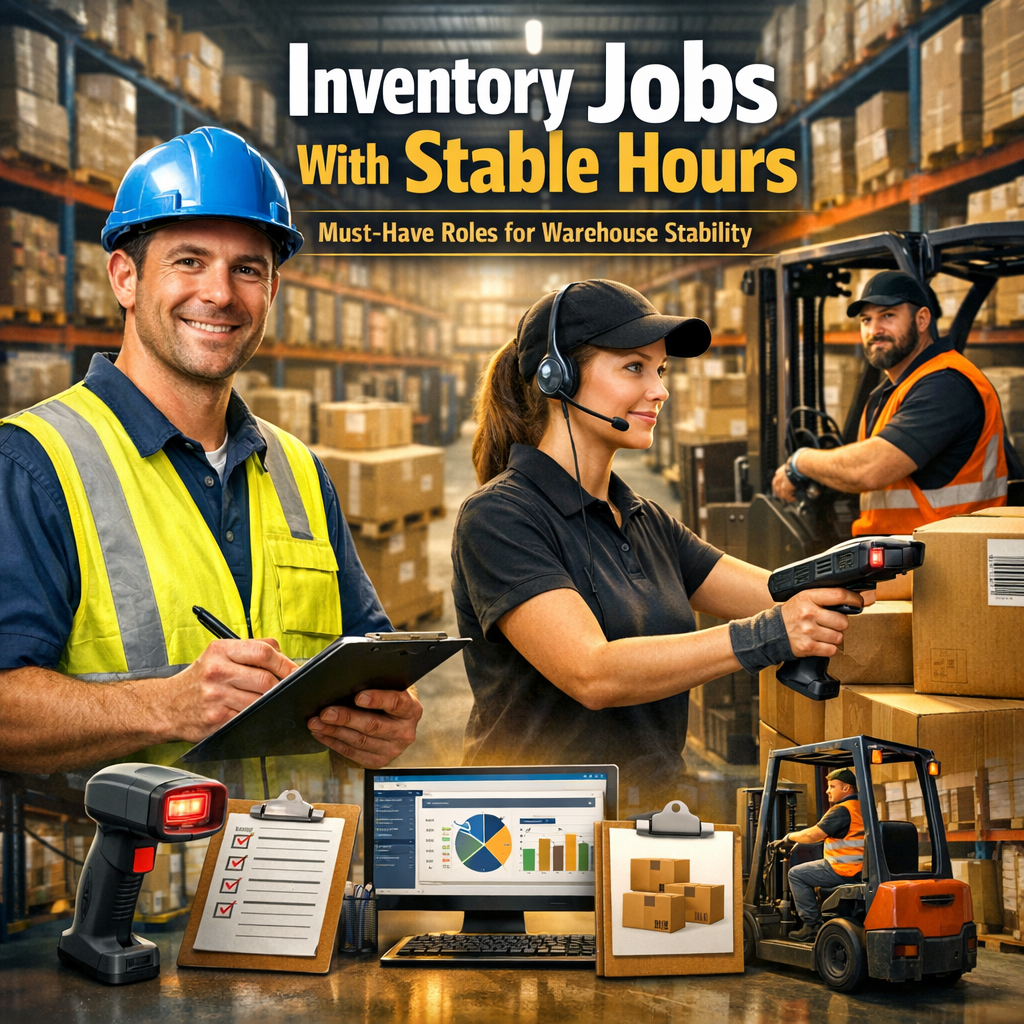
Inventory Jobs With Stable Hours: Must-Have Roles for Warehouse Stability
Inventory jobs play a crucial role in ensuring the smooth operation of any warehouse, directly impacting warehouse stability. These positions require a combination of precision, organizational skills, and a steady work routine, which makes them essential for maintaining the consistent flow of goods and services. In bustling logistics environments, having stable hours not only benefits employees but also strengthens the overall efficiency of warehouse management. This article explores some of the most important inventory jobs and logistics support roles that contribute to a well-functioning, stable warehouse setting.
Understanding the Importance of Inventory Jobs in Warehouse Stability
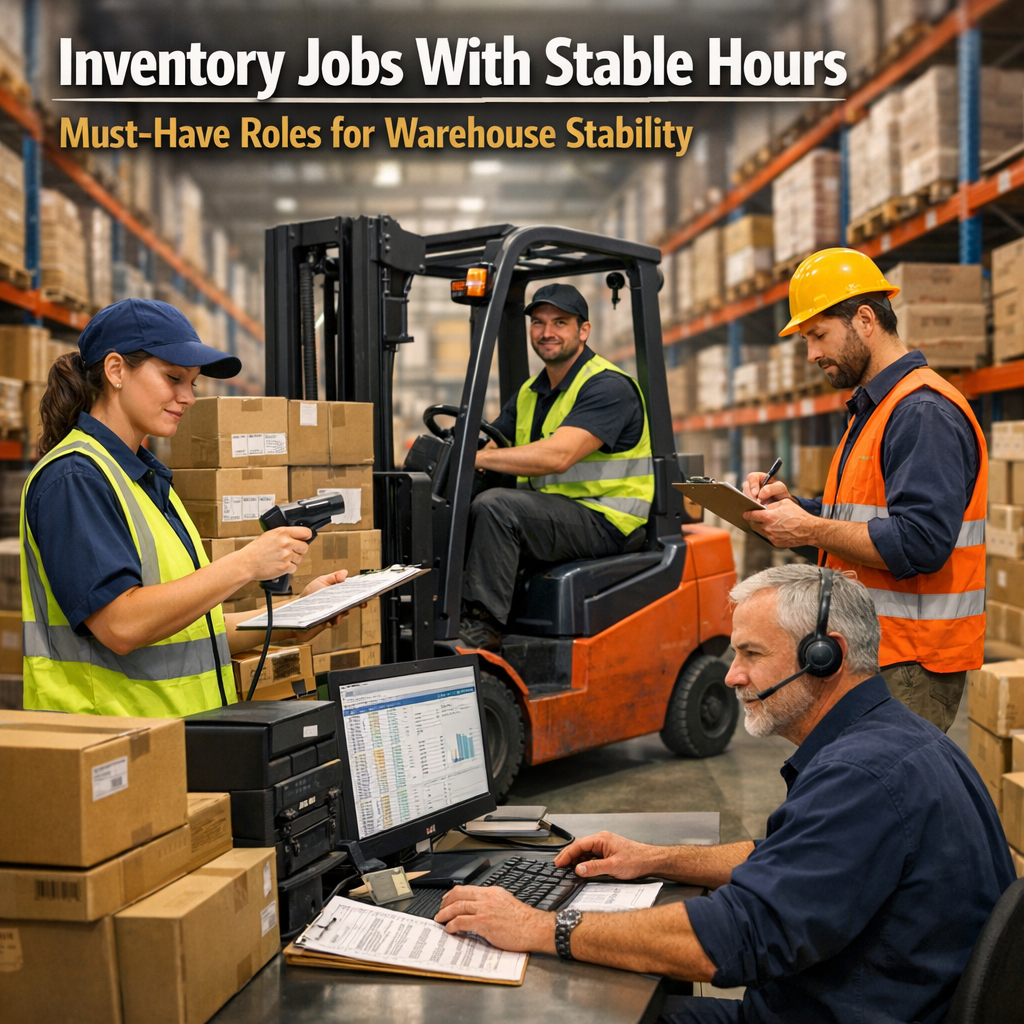
Warehouse stability depends heavily on the accuracy and reliability of inventory management. Inventory jobs encompass tasks such as receiving, sorting, tracking, and shipping products, all of which require a high level of attention to detail. When these roles are staffed with employees who have stable working hours, it fosters better accountability, reduces errors, and improves communication within the warehouse team. Stability in schedules also means fewer disruptions that can lead to costly delays or misplaced stock, ultimately supporting a steady supply chain.
Key Inventory Jobs That Support Warehouse Stability
1. Inventory Control Specialist
An Inventory Control Specialist is at the heart of warehouse stability. These professionals are responsible for monitoring stock levels, reconciling inventory discrepancies, and maintaining accurate records. With stable working hours, specialists can regularly perform audits, spot trends in inventory movement, and coordinate with procurement and shipping departments effectively. Consistent scheduling helps them develop a deep understanding of seasonal fluctuations and product demand, resulting in more efficient stock planning.
2. Warehouse Associate (Inventory Clerk)
Warehouse Associates who focus on inventory tasks often manage incoming and outgoing shipments, ensuring goods are received in proper quantities and conditions. Their tasks include scanning barcodes, updating inventory databases, and organizing items on shelves. Because these roles involve routine and repetitive activities, stable work hours enhance performance by creating a familiar workflow and reducing the chance of errors. Additionally, employees benefit from the predictability of their shifts, which can increase morale and retention rates.
3. Shipping and Receiving Coordinator
Shipping and Receiving Coordinators act as the bridge between inventory management and distribution. They schedule deliveries, verify shipping documents, and troubleshoot any shipping-related issues. Maintaining regular hours in these roles is vital for coordinating activities with suppliers, drivers, and warehouse staff, preventing bottlenecks that might disrupt warehouse stability. Stable shifts allow coordinators to manage time-sensitive shipments more effectively, sustaining a seamless logistics process.
How Logistics Support Roles Complement Inventory Jobs
Logistics support roles are critical complements to inventory jobs because they focus on the broader transportation, distribution, and supply chain management aspects that influence warehouse operations. These roles often work closely with inventory personnel to align operational goals and improve overall efficiency.
4. Logistics Coordinator
A Logistics Coordinator manages delivery schedules, optimizes routes, and liaises with carriers to ensure goods move efficiently through the supply chain. By working consistent hours, logistics coordinators can establish strong relationships with partners and respond proactively to issues, reinforcing warehouse stability through timely distribution.
5. Material Handler
Material Handlers assist in loading, unloading, and organizing products within the warehouse, which directly affects how inventory is stored and accessed. Their stable presence ensures smooth inventory turnover and reduces downtime caused by misplaced or mishandled goods. Regular shifts facilitate predictable workflows and facilitate team coordination.
Benefits of Stable Hours in Inventory Jobs and Logistics Support Roles
Enhanced Accuracy and Accountability
Companies often see fewer inventory discrepancies when employees have consistent schedules. Familiarity with daily routines and stock movement patterns helps workers stay focused on their responsibilities, reducing the risk of mistakes that can disrupt warehouse stability.
Improved Employee Retention and Morale
Stable hours lead to better work-life balance, which increases job satisfaction. Employees in inventory and logistics support roles who can rely on predictable shifts are less likely to experience burnout, leading to lower turnover rates and a more experienced workforce.
Streamlined Operations and Communication
When inventory and logistics teams operate on stable schedules, coordination becomes easier. Regular interaction during consistent shifts promotes clear communication and swift problem-solving, keeping the warehouse running efficiently.
Final Thoughts
Inventory jobs with stable hours are indispensable to achieving and maintaining warehouse stability. Whether in inventory control, shipping coordination, or logistics support, these roles require consistency and precision to ensure smooth warehouse operations. Employers who prioritize stable scheduling not only enhance productivity but also create a work environment that fosters reliability and growth. Investing in these critical roles will lead to stronger supply chain resilience and sets the foundation for ongoing success in warehouse management.