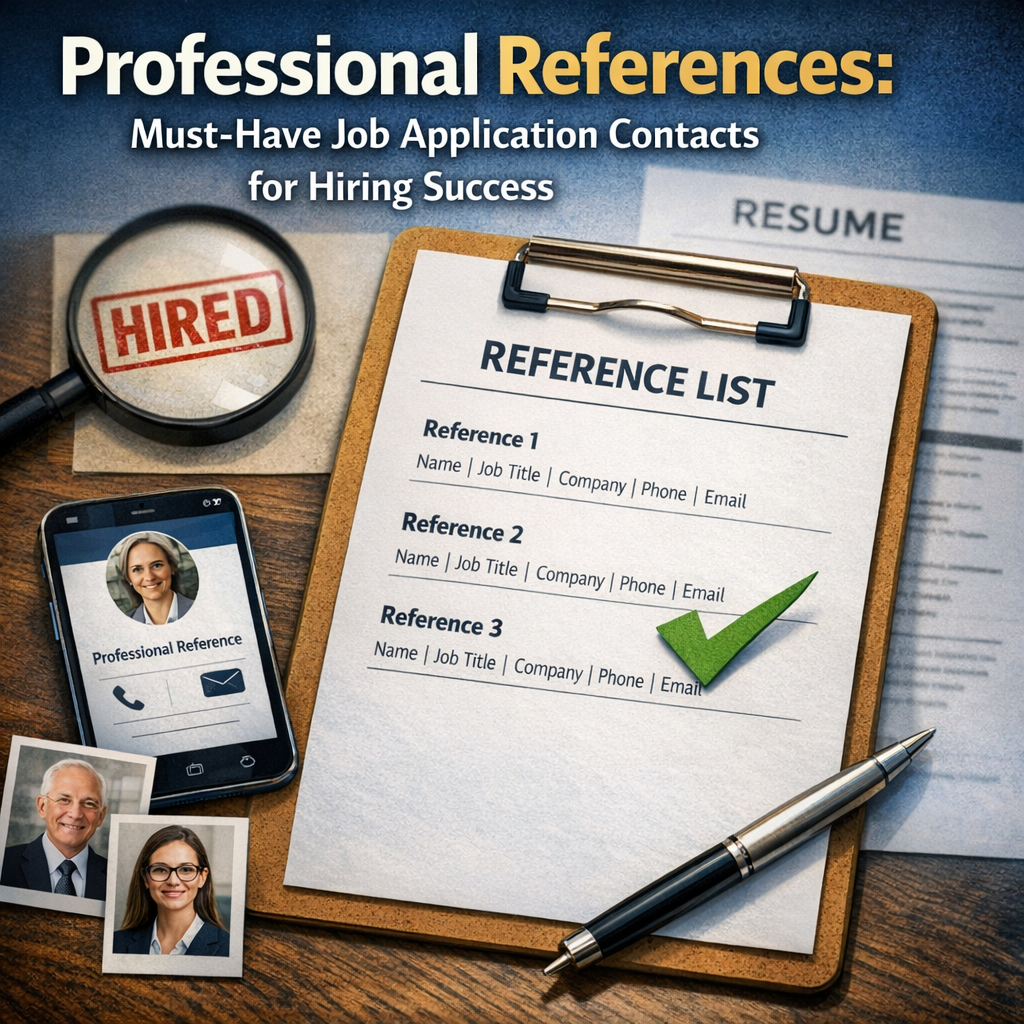
Professional References: The Must-Have Job Application Contacts for Hiring Success
When applying for a new job, professional references play a crucial role in showcasing your qualifications and proving your reliability to potential employers. These job application contacts offer hiring managers tangible hiring proof that you possess the skills, experience, and professionalism needed for the position. Understanding how to choose, present, and utilize professional references effectively can significantly enhance your chances of landing your desired job.
Why Professional References Matter in Job Applications
Professional references aren’t just a formality; they serve as a critical bridge between what you present on your resume and real-world confirmation of your capabilities. Employers often rely on these contacts to verify your work history, skills, and character. Unlike resumes or cover letters, which can be self-promotional, references provide an unbiased perspective from people who have directly worked with you.
Having strong professional references can reassure hiring managers and reduce the perceived risk of hiring an unknown candidate. They act as a kind of hiring proof that you are trustworthy and competent, which is invaluable in competitive job markets where many applicants may have similar qualifications.
Choosing the Right Professional References
Selecting appropriate professional references is essential to make a positive impression. Job application contacts should be individuals who know your work well and can speak confidently about your skills, work ethic, and achievements. Common choices for references include:
– Former supervisors or managers: They can provide detailed insights into your job performance, responsibilities, and how you handled challenges.
– Colleagues or teammates: These contacts highlight your teamwork, communication, and interpersonal skills.
– Clients or vendors: If your role involved working with external partners, these references can speak to your professionalism and reliability.
– Mentors or professors: Particularly useful for those early in their careers, mentors or professors can testify to your character, dedication, and learning attitude.
It’s important to avoid using family members or friends, as their references are typically viewed as biased and do not carry the same weight as professional contacts.
Preparing Your Professional References
Before listing any contacts on your job application, always seek permission from the individuals you intend to use as references. This courtesy helps them prepare for potential calls or emails from employers, ensuring they won’t be caught off guard. Additionally, it allows you to provide them with details about the job you’re applying for, so their references can be targeted and relevant.
Provide your references with a current copy of your resume and inform them about the skills or experiences you would like them to highlight. This proactive approach increases the chances of receiving strong, aligned recommendations.
How to Present Professional References on Job Applications
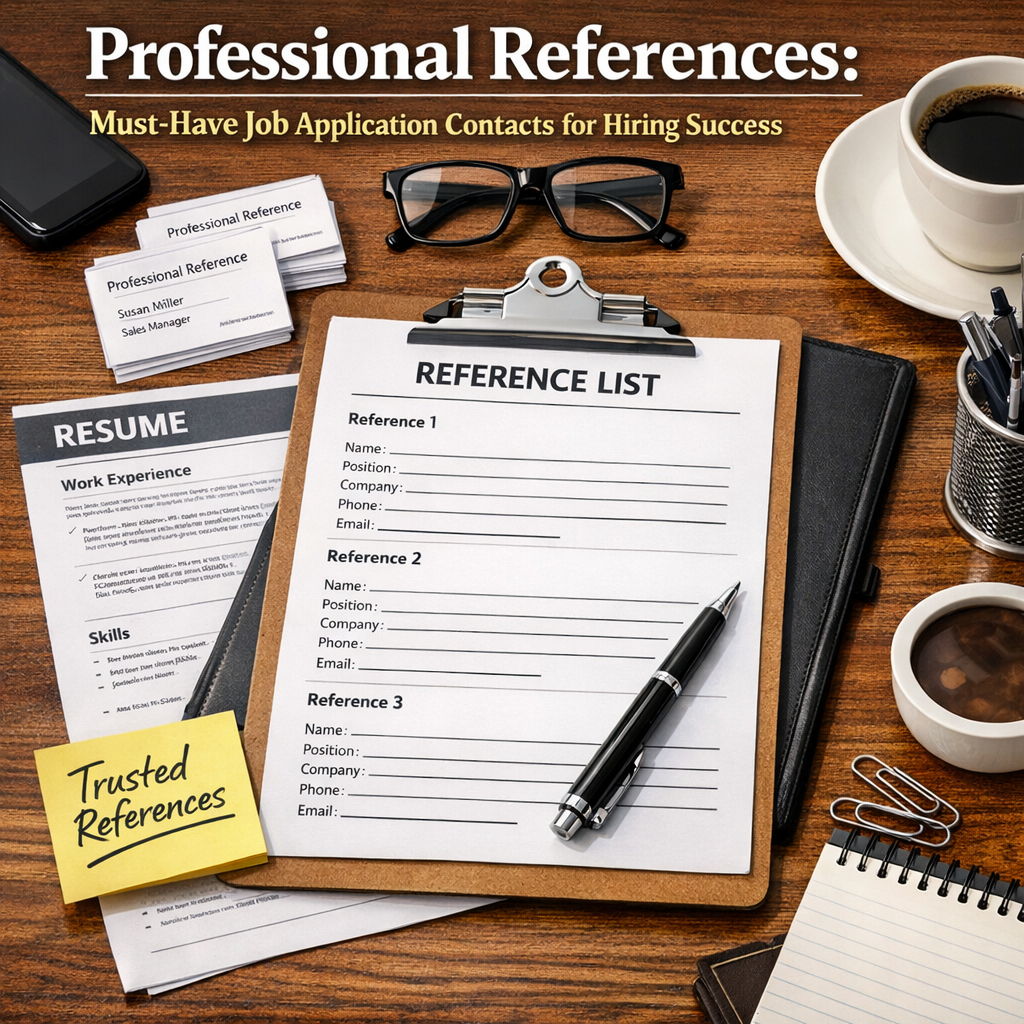
When submitting your job application, references are typically listed on a separate document titled “Professional References” or “References.” This avoids overwhelming the hiring manager with too much information upfront and preserves the privacy of your contacts. Your references page should include:
– The reference’s full name and professional title
– Their current company and position, if applicable
– Contact information (phone number and professional email)
– A concise note on your relationship with the reference (e.g., “Former Manager at XYZ Corp.”)
Including this information clearly and neatly organized helps hiring managers easily verify your background, supporting your candidacy with credible, documented proof.
The Role of Professional References as Hiring Proof
In essence, professional references serve as tangible hiring proof. They confirm that you are not just a promising candidate on paper but someone who has demonstrated competencies and positive workplace behavior in real scenarios. Effective references can address any doubts an employer may have and differentiate you from others who meet the job qualifications but lack solid endorsements.
Moreover, positive references can sometimes be the deciding factor in a close hiring decision, tipping the scales in your favor.
Tips for Maximizing the Impact of Your Professional References
– Keep your references updated: Maintain relationships with your references even when you’re not job seeking so they stay familiar with your recent work.
– Tailor references to the job: Choose contacts who can best speak to the skills or experiences relevant to the specific role you want.
– Express gratitude: Always thank your references for their help, as this fosters goodwill and makes them more likely to be enthusiastic in future recommendations.
– Be honest: Only list people who will give you a positive review to avoid damaging your reputation.
Conclusion
Professional references are an indispensable part of your job search toolkit. These trusted job application contacts provide essential hiring proof that validates your abilities and reassures employers. By carefully selecting, preparing, and presenting your professional references, you significantly boost your prospects for hiring success. Remember, a solid network of professional advocates can be one of your greatest assets in advancing your career.