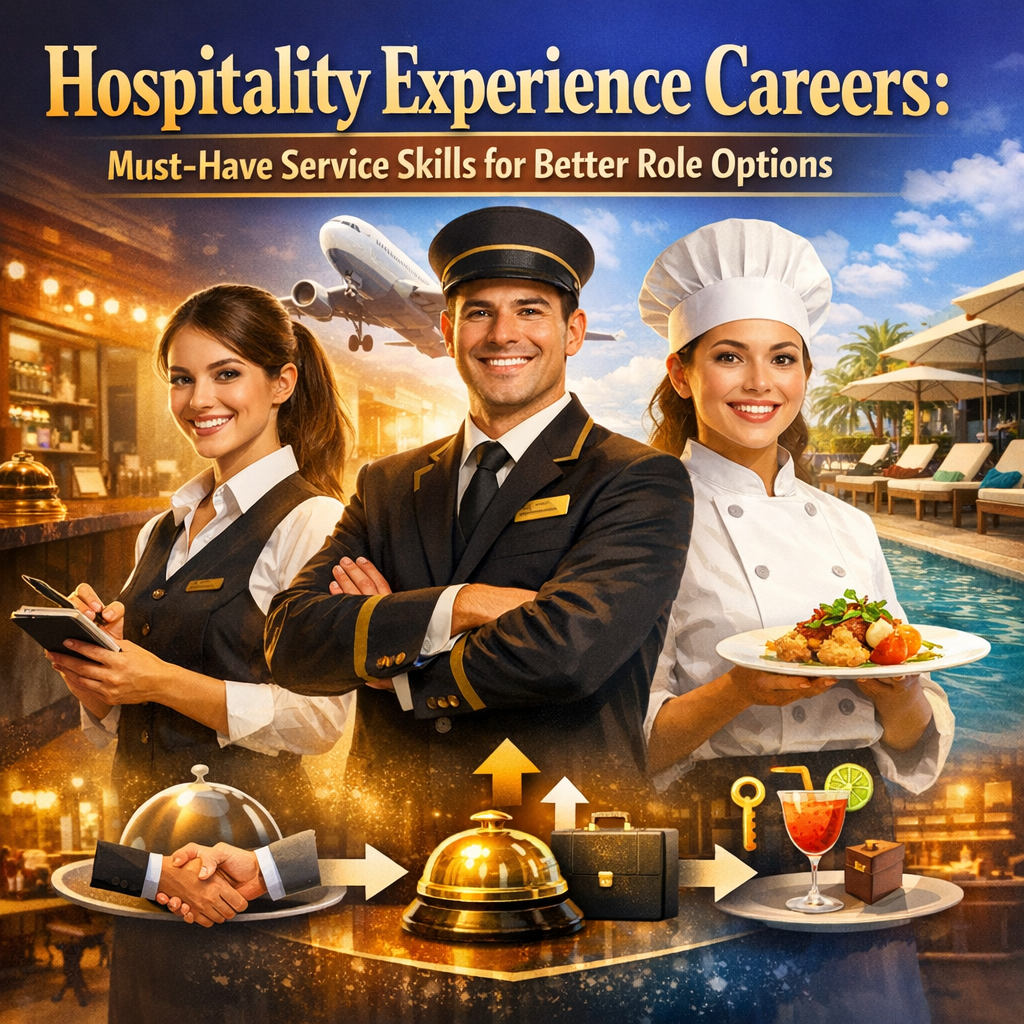
Hospitality Experience Careers: Must-Have Service Skills for Better Role Options
Hospitality experience careers offer a dynamic and rewarding pathway for individuals passionate about providing exceptional service and creating memorable experiences. Whether you’re just starting out or looking to advance your position within the industry, cultivating key service skills can significantly enhance your prospects for better role options. In this article, we will explore the essential service skills that help hospitality professionals excel and how mastering these abilities facilitates career growth and versatility.
Why Service Skill Transfer is Crucial in Hospitality Experience Careers
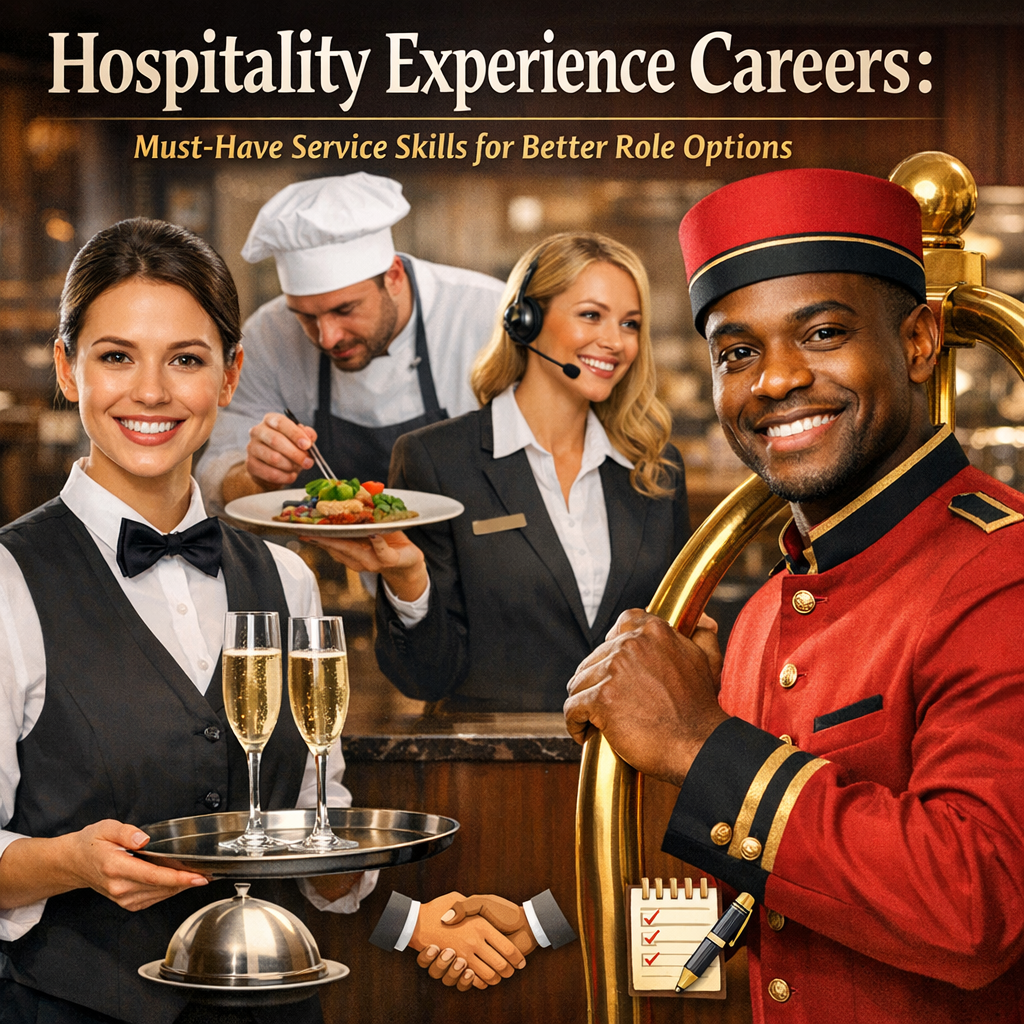
One of the defining strengths of hospitality experience careers is their versatility. The skills you develop in customer-facing roles—ranging from front desk agents to restaurant servers—are highly transferable across various positions and sectors. This ability to apply your service skills broadly, known as service skill transfer, makes your career more resilient to change and opens doors to better role options.
For instance, strong communication and problem-solving skills, once honed in a hotel reception, can help you seamlessly transition into event coordination, sales, or guest relations. Understanding service skill transfer means recognizing that your experiences are not isolated but build a portfolio of competencies appealing to many employers within and beyond hospitality.
Essential Service Skills for Success in Hospitality Experience Careers
1. Exceptional Communication
Effective communication lies at the heart of every hospitality role. Whether you are greeting guests, coordinating with kitchen staff, or resolving complaints, clear and empathetic communication builds rapport and trust. Being able to listen actively to customers’ needs and convey information clearly ensures smooth interactions and heightened guest satisfaction.
Moreover, communication skills are invaluable for collaborating with team members and management, essential for career progression. Mastering both verbal and non-verbal communication can set you apart in interviews and performance evaluations alike.
2. Adaptability and Problem-Solving
The dynamic nature of hospitality means unexpected situations frequently arise—from sudden reservations to last-minute requests. Demonstrating adaptability by staying calm and innovative in challenging scenarios showcases your ability to maintain service excellence no matter the circumstances.
Coupled with adaptability, strong problem-solving skills allow you to identify the root of an issue and implement effective solutions promptly. These skills not only enhance guest experiences but also prepare you for leadership roles that require quick decision-making and crisis management.
3. Attention to Detail
In hospitality, small details often make a big difference. Whether remembering guest preferences, ensuring cleanliness, or managing event logistics, meticulous attention to detail speaks volumes about professionalism and care. This skill can elevate service quality and often distinguishes top-performing staff members.
Employers highly value attention to detail because it reduces errors, improves efficiency, and boosts overall customer satisfaction. Developing this skill will help you stand out in evaluation processes and contribute positively to team performance.
4. Emotional Intelligence
Understanding and managing your own emotions, as well as empathizing with others’, is a fundamental service skill in hospitality experience careers. Emotional intelligence allows you to handle difficult customers gracefully, motivate colleagues, and create a positive work environment.
By cultivating emotional intelligence, you gain greater insight into customer behaviors and can tailor your approach to meet diverse needs. This skill is especially important in supervisory or management roles, where interpersonal dynamics directly impact organizational success.
5. Time Management and Multitasking
Busy shifts and high demand characterize many hospitality roles. Strong time management skills enable you to prioritize tasks efficiently, meet tight deadlines, and maintain quality service under pressure. The ability to multitask without sacrificing attention to detail is a critical asset.
Enhancing your organizational skills improves workflow and reduces stress, making you a reliable team member and a candidate for promotions or more complex assignments.
Leveraging Service Skill Transfer for Better Role Options
Developing these must-have service skills not only benefits your current job performance but also equips you to explore a wider range of better role options within hospitality experience careers. For example, a banquet server with excellent communication and organizational abilities could advance to an event planner role. Similarly, a concierge who excels in problem-solving and emotional intelligence may transition to guest services management.
Moreover, service skills cultivated in hospitality are highly regarded in other industries such as retail, healthcare, and corporate customer service roles. Emphasizing your transferable skills on your resume and during job interviews can help you pivot or climb the career ladder with confidence.
Final Thoughts
Hospitality experience careers thrive on a foundation of strong service skills that drive exceptional guest experiences and seamless operations. Focusing on communication, adaptability, attention to detail, emotional intelligence, and time management develops a versatile skill set that enhances your employability and opens up better role options. Recognizing and leveraging service skill transfer is key to navigating career growth and adapting to the evolving landscape of hospitality and beyond.
By investing in these essential abilities, both newcomers and seasoned professionals can unlock the potential for fulfilling, stable, and exciting career paths in hospitality.