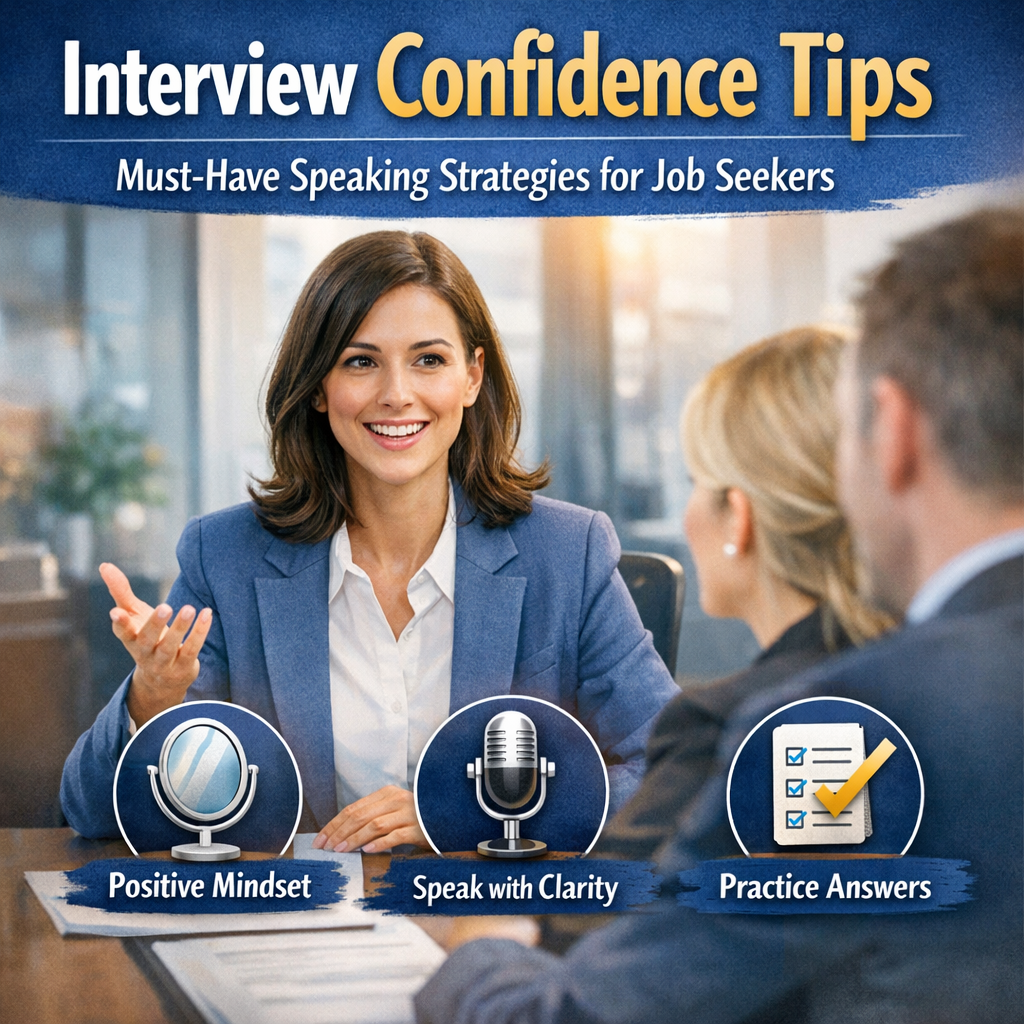
Interview Confidence Tips: Must-Have Speaking Strategies for Job Seekers
Interview confidence is a critical factor that can make or break a job seeker’s chances during an interview. No matter how impressive your resume is or how relevant your qualifications are, if you lack poise and the ability to communicate effectively, you might not convey your true potential to the hiring manager. Fortunately, interview confidence can be cultivated with the right mindset and speaking strategies. In this article, we will explore essential tips that help job seekers develop a positive job seeker mindset and master speaking techniques to boost confidence and leave a lasting impression.
Developing a Strong Job Seeker Mindset
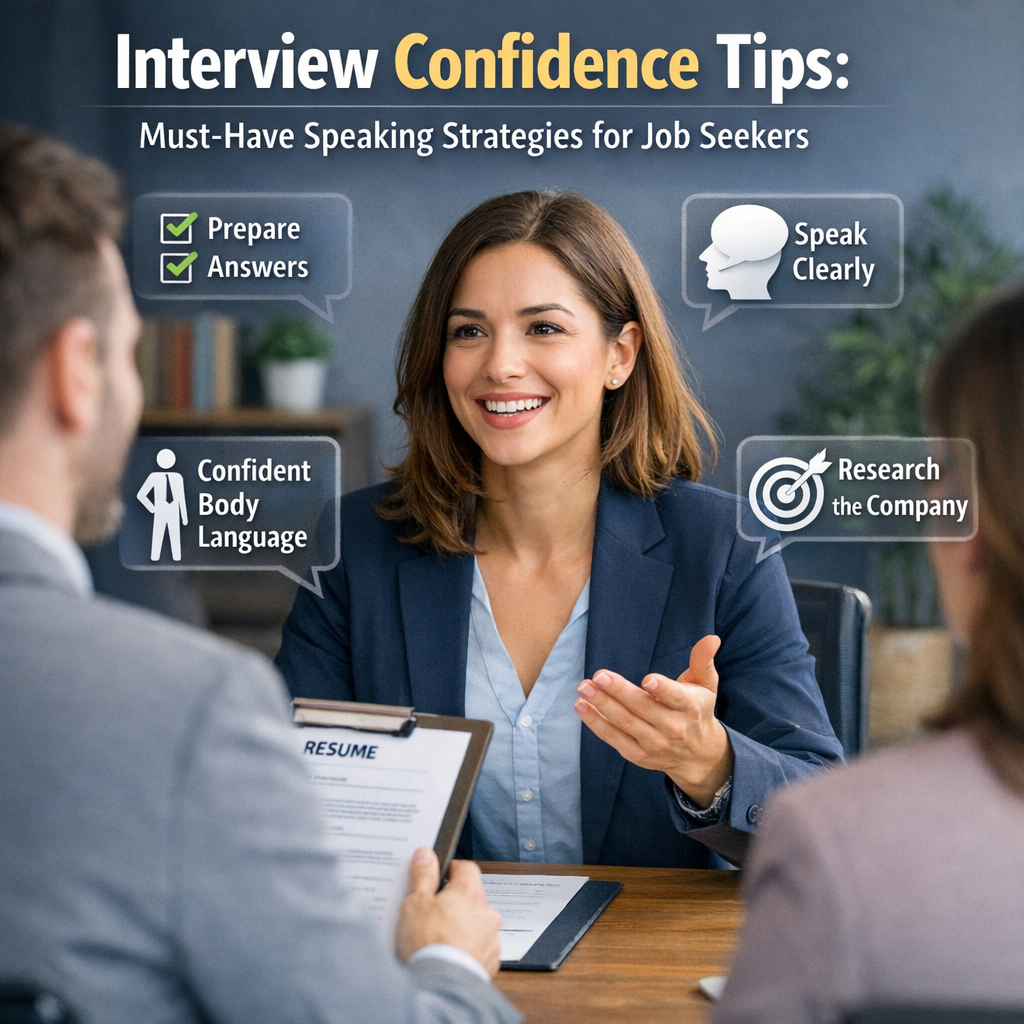
Before diving into speaking tips, it’s important to understand the power of a job seeker mindset. Your mindset shapes how you approach challenges and setbacks, including the intimidating interview process. Having a resilient and proactive mindset is the foundation of interview confidence.
Embrace Preparation as Empowerment
One of the most effective ways to feel confident is to prepare thoroughly. Review the job description, research the company culture and recent news, and anticipate common interview questions. Preparation transforms anxiety into assurance because it equips you with the knowledge you need to respond thoughtfully and clearly.
Visualize a Positive Outcome
Visualization is a powerful cognitive tool. Spend a few minutes each day imagining yourself walking into the interview room, shaking hands firmly, answering questions clearly, and connecting well with your interviewer. This mental rehearsal can reduce fear and increase your self-assurance.
Reframe Nervousness as Excitement
Many job seekers mistake nervousness for fear. However, these feelings share physiological similarities. By consciously telling yourself that your racing heart and energy spikes are signs of excitement, you can channel this energy into delivering an enthusiastic and engaging interview.
Speaking Tips to Build Interview Confidence
Once you cultivate the right mindset, it’s time to focus on your verbal communication—after all, an interview is primarily a conversation. The following speaking tips will help job seekers present themselves confidently and professionally.
Practice Clear and Concise Answers
Rambling answers or overly brief responses can derail the interview flow. Use the STAR method—Situation, Task, Action, Result—to structure your answers. This approach ensures you provide concrete examples while maintaining clarity and focus.
Control Your Pace and Tone
Speaking too quickly can make you appear nervous or unsure, while speaking too slowly might cause your interviewer’s attention to wane. Aim for a steady pace with natural pauses, especially before answering a difficult question. Additionally, use a warm and confident tone to engage your listener and convey credibility.
Use Positive Body Language
While the focus here is speaking strategies, nonverbal communication complements your words. Maintain good posture, make eye contact, and use hand gestures to emphasize key points. These nonverbal cues reinforce your confidence and can influence how your verbal message is received.
Don’t Fear Pauses or Silence
Many job seekers feel pressured to fill every moment with speech. However, taking a brief pause before answering allows you to gather your thoughts and deliver a more composed response. It also demonstrates that you’re thoughtful and deliberate rather than rushed.
Ask Insightful Questions
Interview confidence isn’t just about answering questions well; it’s also about showing curiosity and enthusiasm. Prepare thoughtful questions about the role, team dynamics, or company direction. Asking insightful questions signals that you’ve done your research and are genuinely interested in the position.
Overcoming Common Interview Challenges
No matter how prepared you are, the interview room can sometimes feel unpredictable. Knowing how to overcome common challenges can bolster your interview confidence even more.
Handling Unexpected Questions
Interviewers often ask unexpected or behavioral questions to see how you think on your feet. Instead of panicking, take a deep breath and repeat or paraphrase the question if needed. Then, apply the STAR technique to organize your answer logically.
Managing Technical or Role-Specific Inquiries
For technical roles, you may be asked to solve problems or explain specific knowledge. It’s okay to ask for clarification or take a moment to think. Remember, demonstrating your problem-solving approach is often as important as arriving at the “right” answer.
Coping with Interview Anxiety
If anxiety kicks in, grounding techniques can help. Focus on your breathing—inhale slowly through your nose and exhale gently through your mouth. This can calm your nerves and help maintain your composure.
Final Thoughts: Practice Makes Perfect
Interview confidence is not something you either have or don’t—it is a skill that can be developed. A positive job seeker mindset combined with well-practiced speaking tips will not only improve your performance but also make the interview process more enjoyable. Regularly practicing mock interviews with friends, mentors, or career coaches can provide valuable feedback and build your speaking fluency.
Remember, every interview is an opportunity to learn and grow. By integrating these essential strategies, you position yourself as a capable, confident candidate who is ready to take the next step in their career journey.