Describe Skills Interview: Must-Have Self Introduction Tips & Hiring Answers
In today’s competitive job market, a describe skills interview is one of the most common and crucial stages employers use to evaluate candidates. Unlike traditional interviews focused solely on your resume or qualifications, this type of interview digs deeper into your practical abilities and experiences. It’s designed to explore how well you can articulate your skills, demonstrate your value, and respond thoughtfully to real-world scenarios. Mastering this interview requires more than just knowing your skills—you need to effectively introduce yourself and craft compelling hiring answers that leave a lasting impression.
Understanding the Describe Skills Interview
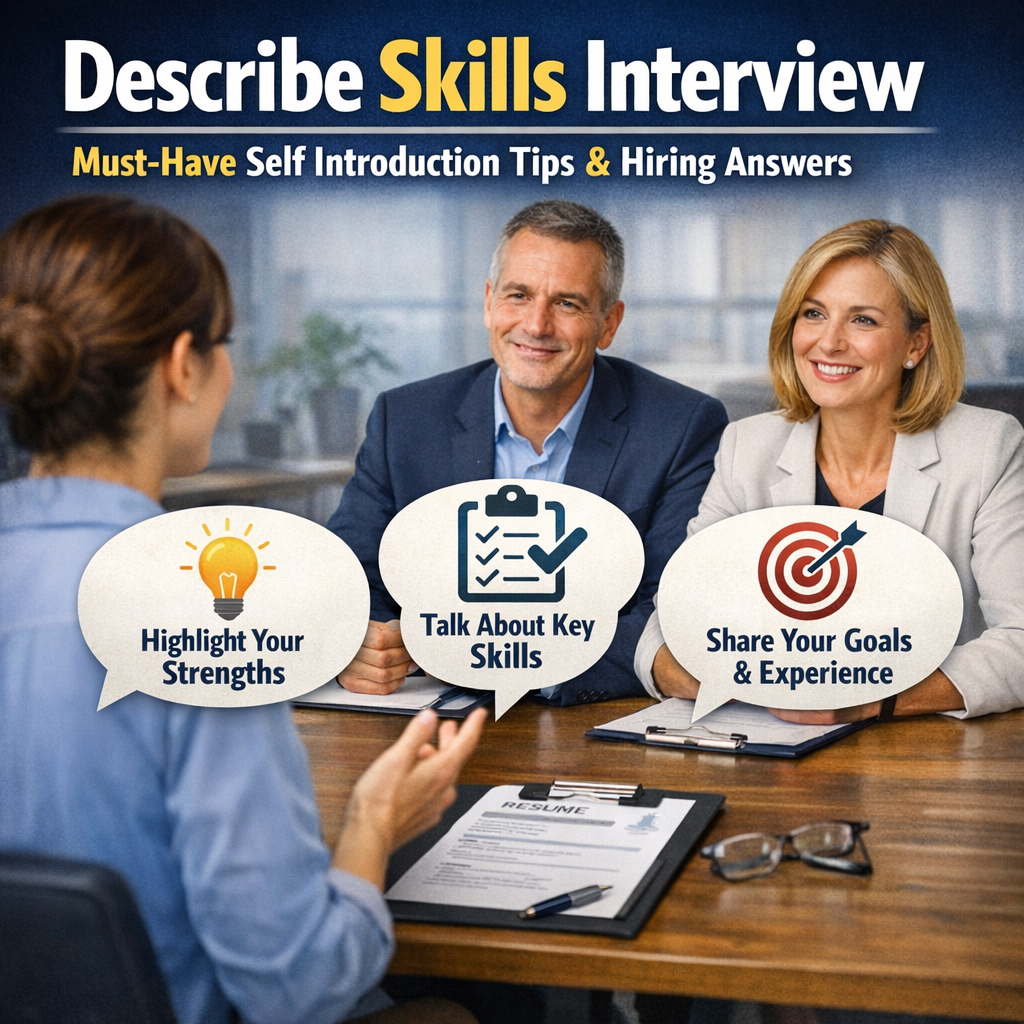
A describe skills interview typically involves questions where candidates are asked to explain or showcase specific skills relevant to the job. These can range from technical expertise and problem-solving abilities to communication and leadership talents. The goal is to understand not only what skills you possess but how you apply them in work situations.
Employers often ask behavioral or situational questions such as:
– “Can you describe a time when you used your problem-solving skills to overcome a challenge?”
– “Tell me about a project where you had to manage conflicting priorities.”
– “How do you handle tight deadlines when working on multiple assignments?”
Answering these questions effectively requires clarity, confidence, and a structured approach.
Self Introduction Tips for a Describe Skills Interview
Your self introduction sets the tone for the entire interview. It’s more than just a summary of your resume—it’s your first chance to showcase your relevant skills and personality. Here are some self introduction tips tailored for a describe skills interview:
1. Start with a Brief Professional Summary
Open with a concise overview of your background related to the job. Mention key roles, industries, or experiences that align with the employer’s needs. For example, “I am a marketing professional with over five years of experience specializing in digital campaigns and data analysis.”
2. Highlight Your Core Skills Early
Immediately after your summary, introduce two or three main skills that pertain to the job description. This primes the interviewer to focus on these areas during their questions. For instance, “My strengths include strategic planning, content creation, and analytics-driven decision-making.”
3. Connect Your Skills to Achievements
To make your introduction more engaging, briefly mention a relevant accomplishment that demonstrates your skills in action. For example, “In my last role, I led a campaign that increased social media engagement by 40% within six months.”
4. Be Personal but Professional
A touch of personality helps build rapport. Share what motivates you or what you enjoy most about your work, but keep it professional and relevant. Something like, “I’m passionate about leveraging data to craft compelling marketing strategies that drive results.”
5. Keep it Under Two Minutes
An effective self introduction is quick and focused. Avoid long-winded explanations, and practice your introduction until it feels natural.
Crafting Effective Hiring Answers in a Describe Skills Interview
When it comes to responding to interview questions, your hiring answers should demonstrate your skills clearly and convincingly. Here’s how to approach this:
1. Use the STAR Method
The STAR method (Situation, Task, Action, Result) is a powerful framework for structuring your answers:
– Situation: Briefly describe the context or challenge.
– Task: Explain your responsibility or role.
– Action: Detail the specific steps you took.
– Result: Share the outcome or impact.
This method helps keep your responses organized and meaningful.
2. Tailor Your Answers to the Job
Before the interview, review the job description carefully and identify the key skills required. Align your examples and stories to these requirements so your answers hit the mark.
3. Be Honest and Reflective
If you lack experience in a particular skill, be honest but also demonstrate your willingness to learn. You can say, “While I haven’t had direct experience with X, I have actively pursued online courses and am eager to apply this skill.”
4. Emphasize Problem-Solving and Adaptability
Employers value candidates who can adapt and think critically. Highlight examples where you successfully solved problems or adapted to change, showcasing your resilience and creativity.
5. Practice Active Listening
Pay close attention to the interviewer’s questions before answering. Sometimes, questions have multiple parts or require clarification. Active listening will ensure your responses are relevant and thorough.
Additional Tips for Succeeding in Describe Skills Interviews
– Research the Company: Understand their values, products, and challenges so you can frame your skills in a way that meets their needs.
– Prepare Your Questions: Show your curiosity and engagement by preparing insightful questions about the role or company.
– Stay Positive: Even when discussing challenges or failures, focus on what you learned and how you improved.
– Maintain Professional Body Language: Confidence is conveyed not just through words but posture, eye contact, and tone.
Conclusion
Excelling in a describe skills interview is about more than just listing your capabilities—it’s about presenting a compelling narrative that connects your skills, experiences, and passions to the needs of the employer. Starting with a strong self introduction and delivering well-structured hiring answers can dramatically increase your chances of success. By preparing thoughtfully and practicing your delivery, you can confidently demonstrate your value and make a memorable impact on your interviewers.