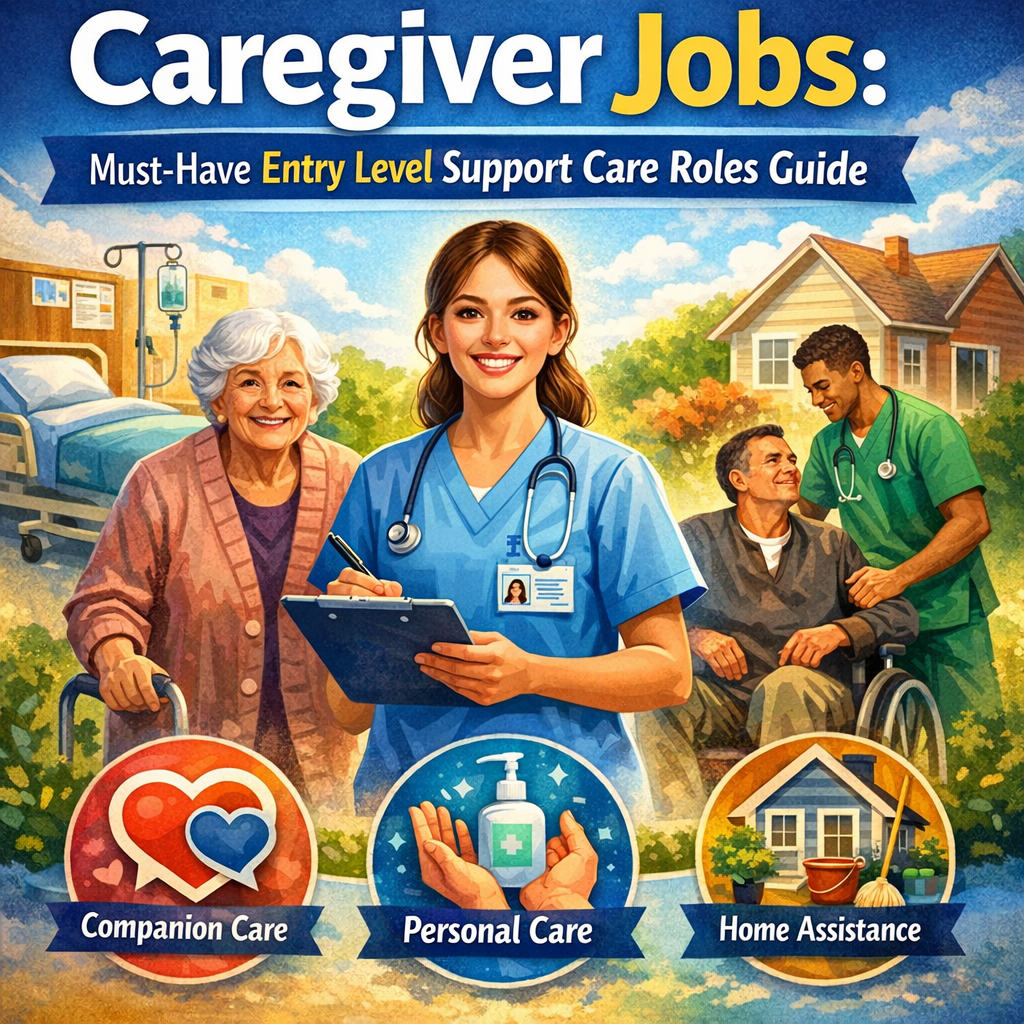
Caregiver Jobs: Must-Have Entry Level Support Care Roles Guide
Caregiver jobs are a vital part of the healthcare system, offering essential assistance to individuals who need support with daily living activities. For those interested in entering the healthcare field without extensive training or certification, support care roles provide a fantastic opportunity to launch a meaningful career. These beginner healthcare services require compassion, patience, and basic skills that can be developed on the job or through short certification courses. This guide explores the must-have entry level support care roles for aspiring caregivers, outlining the responsibilities, qualifications, and career growth potential in this rewarding sector.
Understanding Support Care Roles in Healthcare
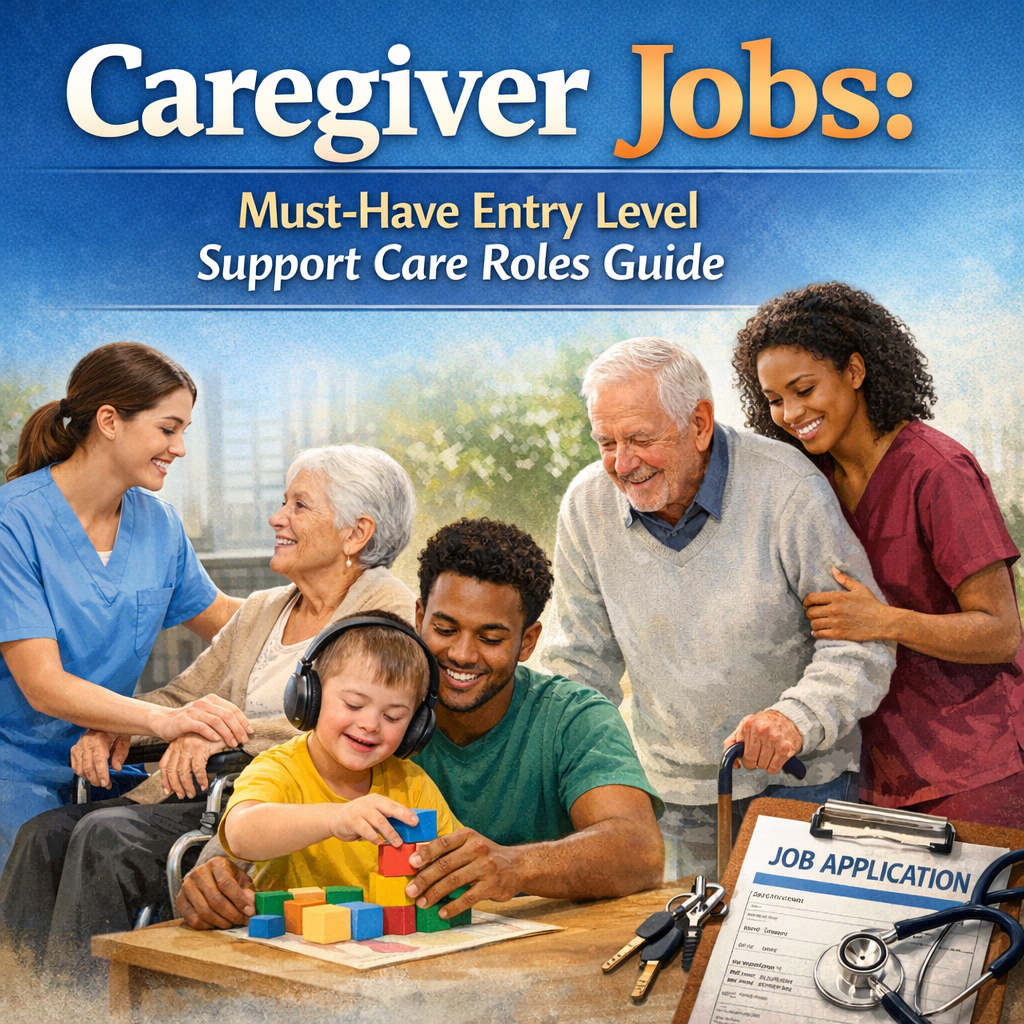
Support care roles refer to positions that primarily involve providing non-medical assistance to clients or patients. Unlike licensed healthcare professionals such as nurses or therapists, caregivers focus on helping individuals manage the day-to-day challenges that accompany aging, disability, or illness. This can include tasks like personal hygiene, mobility assistance, meal preparation, and companionship.
Because these roles do not require extensive medical training, they serve as an excellent entry point into the healthcare industry for beginners. Moreover, through experience in support care roles, many individuals advance toward more specialized fields, such as nursing or home health aide positions.
Popular Caregiver Jobs for Beginners
Home Health Aide (HHA)
One of the most common support care roles is the Home Health Aide. HHAs assist clients in their own homes, helping with activities like bathing, dressing, and medication reminders. They provide both physical and emotional support, often becoming trusted companions for their clients.
– Key Responsibilities: Assistance with personal care, monitoring vital signs, light housekeeping, documenting client progress.
– Requirements: Typically requires a state-certified training program, but minimal prior experience; compassionate nature and physical stamina are vital.
– Career Path: HHAs can pursue further training to become Certified Nursing Assistants (CNAs) or pursue nursing degrees.
Personal Care Aide (PCA)
Personal Care Aides offer similar services to HHAs but often focus more on non-medical personal assistance. They support activities of daily living, ensuring clients maintain independence and safety in familiar environments.
– Key Responsibilities: Helping clients with grooming, meal preparation, errands, and mobility within the home.
– Requirements: No formal certification is always required but beneficial; excellent communication and empathy are essential.
– Career Path: With experience, PCAs may specialize in elder care or disability support services.
Residential Caregiver
Residential Caregivers work in group homes, assisted living facilities, or nursing homes, providing round-the-clock care for residents who cannot live independently. This role combines physical support and supervision to maintain a safe living environment.
– Key Responsibilities: Assisting with transfers, monitoring behavior, supporting recreational activities, ensuring medication compliance.
– Requirements: On-the-job training or entry-level certification; ability to work flexible hours including nights and weekends.
– Career Path: Opportunities to move into supervisory or administrative roles in healthcare facilities.
Essential Skills for Beginner Healthcare Services
Starting in support care roles requires developing a specific set of skills, many of which center around interpersonal interaction and basic healthcare knowledge.
– Communication: Effective verbal and non-verbal communication enhances client comfort and facilitates better care.
– Empathy and Patience: Supporting clients with physical or cognitive limitations requires understanding and emotional resilience.
– Basic Healthcare Knowledge: Familiarity with hygiene protocols, medication schedules, and emergency procedures helps maintain client safety.
– Physical Endurance: Many support care roles involve lifting, assisting with mobility, and standing for extended periods.
– Time Management and Organization: Balancing multiple client needs and documentation requires strong organizational skills.
Benefits of Starting in Caregiver Jobs
Starting a career in caregiving offers several advantages for individuals seeking beginner healthcare services:
– Low Barrier to Entry: Many caregiver jobs require minimal formal education or certification, making them accessible.
– Valuable Experience: Working directly with clients provides hands-on experience that is highly valued in healthcare.
– Job Stability and Demand: An aging population and increasing demand for in-home and residential care make these roles highly employable.
– Emotional Reward: Helping vulnerable individuals can be deeply fulfilling and motivates many caregivers to continue advancing.
– Career Advancement: Entry-level positions often open doors to specialized healthcare fields through additional training and education.
How to Get Started in Caregiver Jobs
If you’re interested in pursuing support care roles, here’s a simple roadmap to get started:
1. Research Local Requirements: Certification and training requirements vary by state and employer.
2. Complete Required Training: Many organizations offer short-term courses in first aid, CPR, and basic caregiving skills.
3. Gain Experience: Volunteer or work part-time in nursing homes, hospitals, or community centers.
4. Develop Soft Skills: Focus on improving communication, patience, and problem-solving.
5. Apply for Entry-Level Positions: Look for caregiver roles through healthcare agencies, home care companies, or residential facilities.
Conclusion
Caregiver jobs provide a meaningful and accessible entry point into the healthcare field through essential support care roles. For individuals seeking beginner healthcare services, these positions offer both personal fulfillment and a pathway to career development. Whether assisting clients at home or in a residential setting, caregivers make a profound difference in people’s lives every day. By understanding the responsibilities, necessary skills, and career prospects of these roles, aspiring caregivers can confidently embark on a rewarding journey in healthcare.