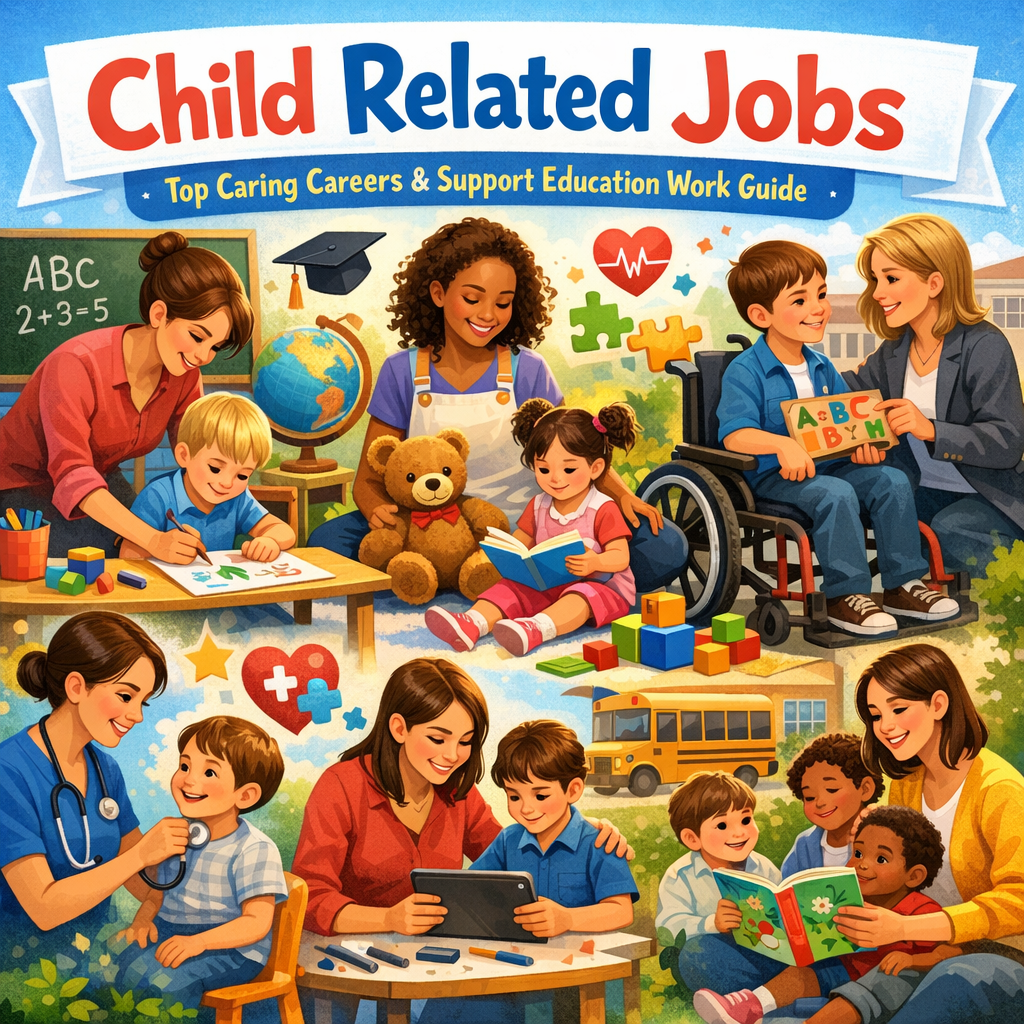
Child Related Jobs: Top Caring Careers & Support Education Work Guide
Child related jobs serve as a vital cornerstone in shaping the future of society. Whether through direct caregiving or educational support, these roles provide an essential service that fosters growth, development, and well-being for children in every stage of their journey. For those interested in pursuing a meaningful profession, understanding the spectrum of caring careers and support education work is key. This guide explores prominent child related jobs, highlighting the skills required, typical responsibilities, and pathways to success.
Understanding Child Related Jobs and Their Importance
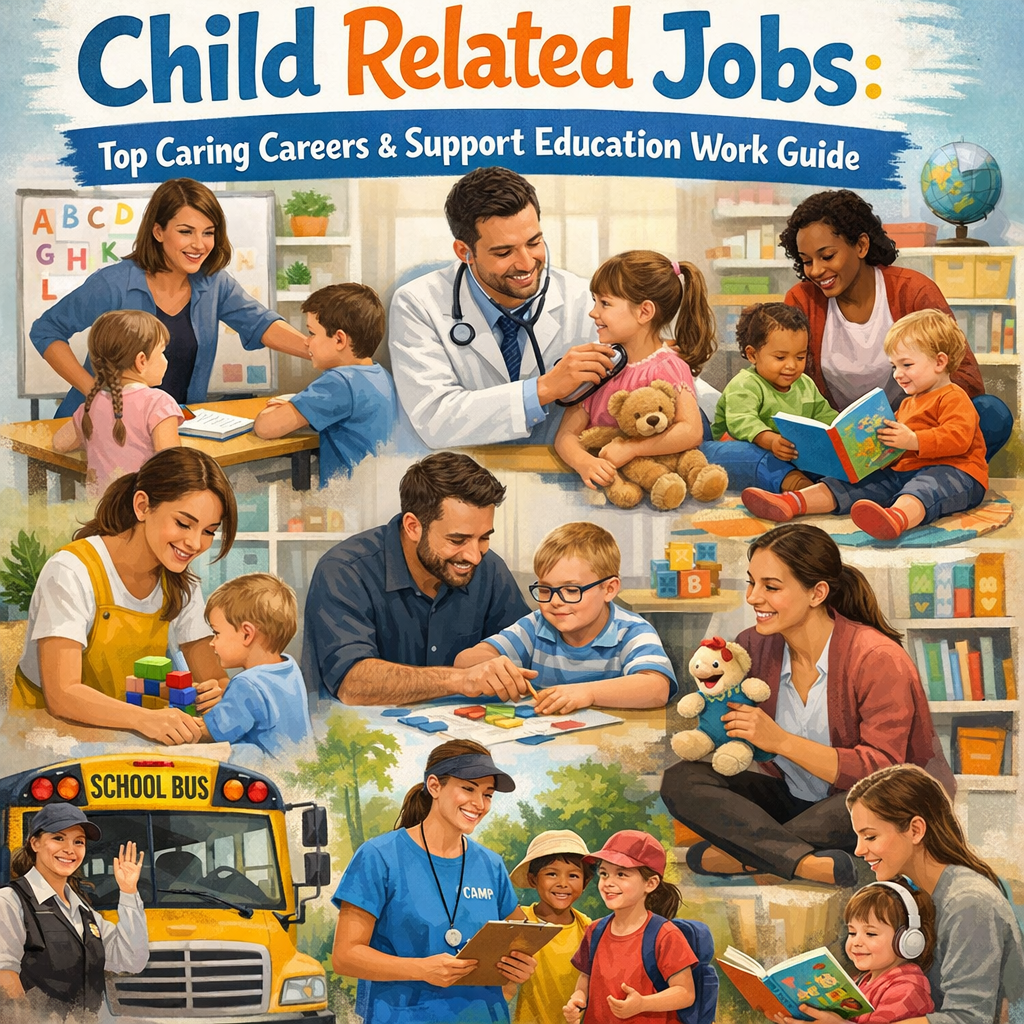
Child related jobs encompass a wide range of professions dedicated to nurturing, educating, and supporting children. These roles can be found in various settings including schools, daycare centers, clinics, community organizations, and government agencies. The goal is to create a safe and stimulating environment where children can thrive emotionally, physically, and intellectually.
From early childhood educators to pediatric social workers, each job in this field contributes differently but significantly to children’s growth. These careers demand high levels of empathy, patience, and a genuine passion for working with young people. Additionally, many roles require specialized training or certification to ensure that professionals are equipped to support developmental and educational needs appropriately.
Top Caring Careers in Child Related Jobs
Caring careers in the child sector focus predominantly on the emotional and physical well-being of children. Here are some prominent examples:
1. Early Childhood Educator
Early childhood educators play a crucial role in the early stages of a child’s development. They create learning environments that promote social interaction, creativity, and motor skills. Their work often involves planning age-appropriate activities, observing developmental milestones, and collaborating with families to support the child’s growth.
2. Childcare Worker
Childcare workers provide hands-on supervision and care in daycare centers, afterschool programs, or private homes. They nurture a safe and supportive atmosphere, assist with daily routines, and encourage positive social behaviors. This role requires excellent communication skills and the ability to handle multiple children with varying needs.
3. Pediatric Nurse
Pediatric nurses specialize in healthcare for infants, children, and adolescents. Working closely with doctors and families, they administer treatments, monitor health conditions, and provide emotional support during medical procedures. This profession combines medical expertise with compassion to ensure the child’s comfort and recovery.
4. Child Psychologist
Specializing in children’s mental health, child psychologists diagnose and treat emotional and behavioral issues. They use therapeutic techniques tailored to children’s developmental levels and work with families and schools to develop effective intervention plans. This career requires advanced degrees and clinical training.
Support Education Work: Enhancing Learning and Development
Support education work refers to roles that assist in the educational process without necessarily being the primary teacher. These jobs often provide one-on-one or group support to children who need additional help, ensuring inclusive and effective learning experiences.
1. Teaching Assistant
Also called paraeducators, teaching assistants support classroom teachers by helping students with learning tasks, managing materials, and assisting children with special needs. They provide personalized attention, helping to bridge gaps and promote educational success for all students.
2. Special Education Aide
Special education aides work with children who have disabilities or learning difficulties. They assist in adapting lesson plans, facilitating communication, and implementing therapies suggested by specialists. Patience and adaptability are crucial qualities in this role.
3. Educational Therapist
This specialized professional combines therapeutic techniques with educational strategies to assist children facing learning challenges, such as dyslexia or ADHD. They work closely with families and schools to develop tailored approaches that encourage academic achievement and emotional resilience.
Preparing for a Career in Child Related Jobs
Entering a career related to caring for or educating children involves both formal education and personal dedication. Many roles require certifications such as CPR, first aid, or specialized training in child development. For instance, becoming a licensed early childhood educator usually demands a diploma or degree in early childhood education, while clinical roles like child psychology require advanced degrees and licensure.
Volunteering or gaining experience in childcare centers, schools, or youth organizations is beneficial to understand day-to-day responsibilities and build essential skills. Networking with professionals and joining relevant associations can also provide career guidance and professional development opportunities.
The Rewards and Challenges of Caring Careers
Working in child related jobs is incredibly rewarding but can also present challenges. Professionals often face emotionally taxing situations, such as supporting children through trauma or health crises. Balancing the needs of children with administrative and regulatory requirements can also be demanding.
However, the opportunity to make a positive and lasting impact on children’s lives far outweighs these challenges. Many find deep personal fulfillment in helping children reach their full potential and assisting families in navigating critical stages of growth.
Conclusion
Child related jobs encompass a dynamic and essential sector focused on nurturing, educating, and supporting young people. Whether you are drawn to caring careers such as early childhood education or health care, or are passionate about support education work that empowers learning differences, there is a diverse range of opportunities available. By pursuing the right qualifications and developing a compassionate approach, you can contribute meaningfully to the well-being and success of children, shaping a brighter future for generations to come.