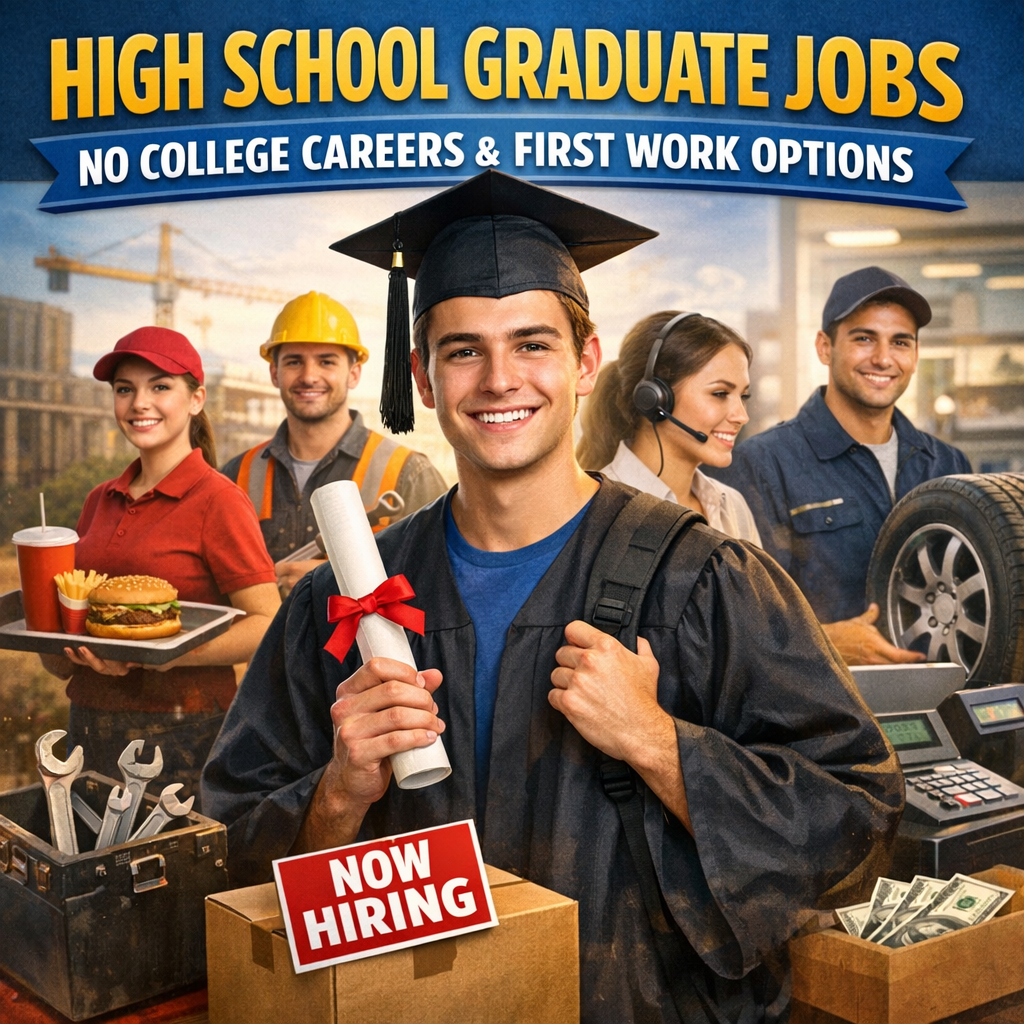
High School Graduate Jobs: Must-Have No College Careers & First Work Options
For many young adults, the transition from high school to the workforce is both exciting and daunting. Not everyone chooses the traditional college route, whether due to financial reasons, career preferences, or personal goals. Fortunately, there are numerous high school graduate jobs and no college careers that offer rewarding opportunities and solid career paths without a degree. Understanding the available first work options can empower graduates to make informed decisions about their futures and set themselves up for success.
The Appeal of No College Careers for High School Graduates
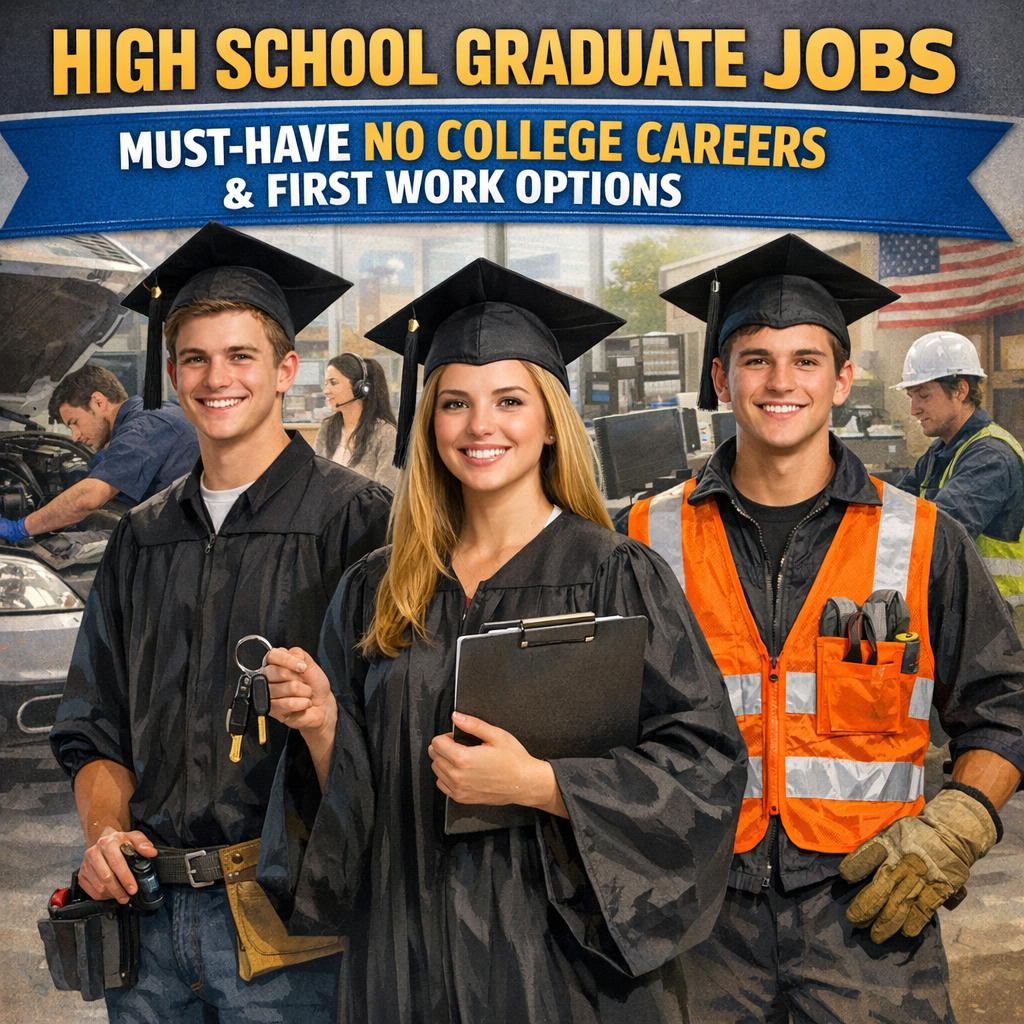
In today’s economy, education is undoubtedly valuable, but a college degree is not the only path to a fulfilling and prosperous career. Many industries actively seek motivated high school graduates who bring enthusiasm, reliability, and a willingness to learn. No college careers often provide competitive wages, opportunities for growth, and the chance to gain hands-on experience early on.
Moreover, some job sectors are experiencing labor shortages, making it easier for high school graduates to enter the workforce and advance rapidly. With the right skills and attitude, these positions can lead to stable employment or even entrepreneurship.
Top High School Graduate Jobs That Don’t Require a College Degree
1. Skilled Trades
Skilled trades such as electricians, plumbers, carpenters, and HVAC technicians are in high demand. These professions usually require vocational training, apprenticeships, or certification programs rather than a traditional four-year degree. As infrastructure ages and demand rises, tradespeople enjoy job security and opportunities for self-employment.
2. Healthcare Support Roles
Jobs like certified nursing assistants (CNAs), medical assistants, and phlebotomists provide critical support in healthcare settings. These careers often require short certification courses or on-the-job training, making them accessible for recent graduates. The healthcare industry is one of the fastest growing sectors, offering stable employment and a chance to make a difference.
3. Information Technology Support
Entry-level IT roles such as help desk technicians or network support specialists can often be secured with certifications like CompTIA A+ without a college degree. These positions offer valuable technology experience and pathways into more advanced IT careers.
4. Sales and Customer Service
Retail and customer service jobs remain common first work options for high school graduates. While these roles might start with modest pay, they teach important skills such as communication, time management, and problem-solving. High performers can progress to management or transition into sales careers with commission-based earnings.
5. Transportation and Delivery
Becoming a truck driver, delivery driver, or courier can be a lucrative option for high school graduates. Certain positions require obtaining a commercial driver’s license (CDL), which involves training and passing standardized exams. Logistics and delivery services continue to grow alongside e-commerce.
How to Choose the Right First Work Option
Assess Your Strengths and Interests
Identifying what you enjoy and where your strengths lie can guide you toward a career that feels rewarding. For example, if you like working with your hands and solving practical problems, trades might be a good fit. If you enjoy interacting with people, customer service or sales might suit you better.
Research Growth and Salary Potential
Not all positions offer the same long-term benefits. It’s smart to research industries with growth potential and realistic salary expectations. Websites like the Bureau of Labor Statistics can provide data on job outlook and wages to help inform your decision.
Consider Training and Certification Requirements
Some no college careers require short-term certifications or apprenticeships. Investigate the necessary steps and whether you can afford the time and financial investment. Many vocational programs offer financial aid or apprenticeships that pay while you learn.
Start Building Experience Early
Even entry-level jobs provide vital workplace skills. Volunteering, internships, or part-time roles can bolster your resume and open doors to better positions. Employers value reliability, punctuality, and a positive attitude as much as formal education.
Overcoming Challenges Without a College Degree
While high school graduate jobs offer plenty of possibilities, lack of a degree can present challenges, such as fewer advancement opportunities in certain fields or wage ceilings. However, continuing education through certifications, online courses, and training can help overcome these limitations. Many successful professionals have built careers by combining work experience with ongoing skill development.
Additionally, strong networking, mentorship, and a proactive approach to career-building can dramatically improve outcomes. Remember, a college degree is just one of many tools toward career success—not the only one.
Final Thoughts on High School Graduate Jobs and First Work Options
Choosing the right path after high school does not have to hinge on attending college. With a wide array of no college careers available, high school graduates today can find fulfilling, well-paying jobs and meaningful career trajectories starting from entry-level positions. By exploring options in skilled trades, healthcare support, technology, sales, and transportation, graduates can gain experience, earn competitive wages, and build toward a promising future.
Taking the time to evaluate personal interests, research industries, pursue certifications, and gain experience will empower graduates to make confident, strategic choices as they step into the workforce. Ultimately, success is less about the diploma in your hand and more about the skills you bring, the attitude you display, and the effort you invest in your career journey.