In-Demand Job Skills Employers Want in 2026: Must-Have Insights
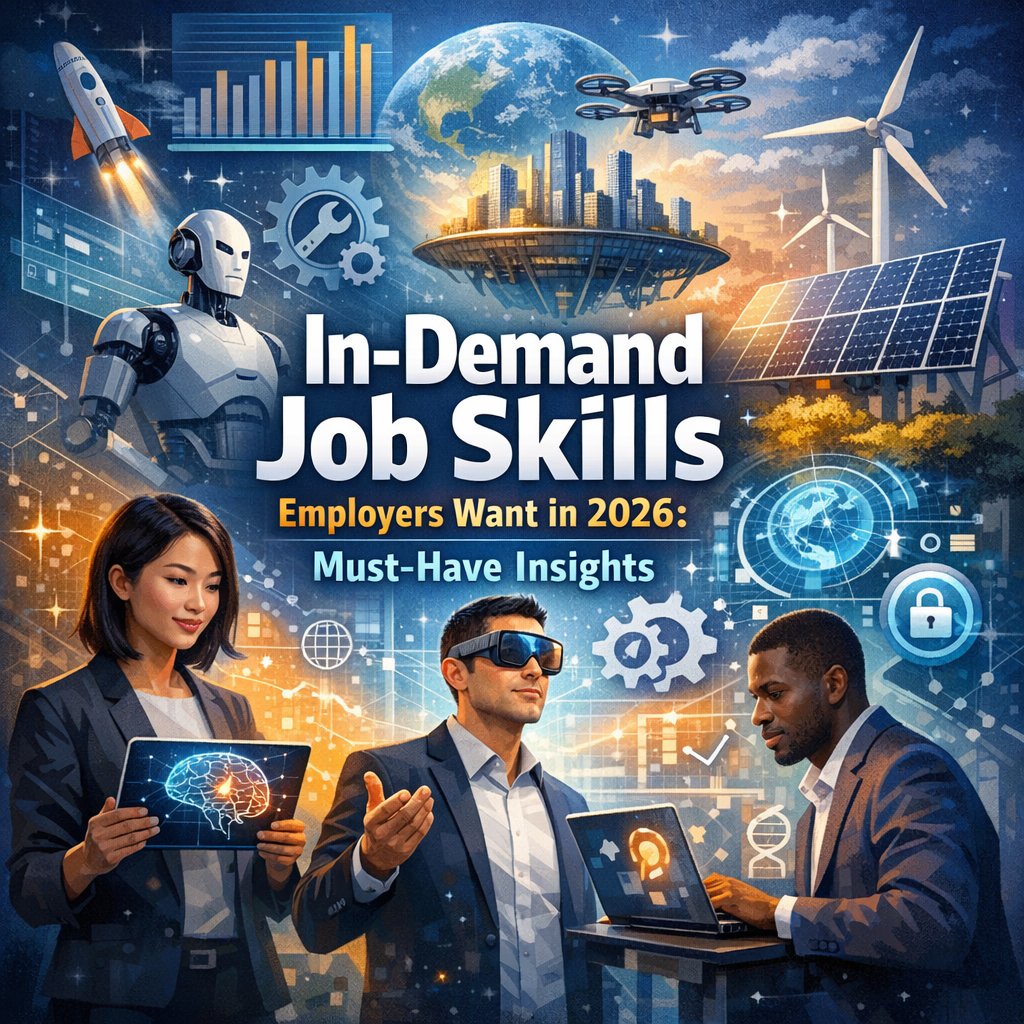
Navigating the ever-evolving landscape of employment requires an understanding of the most sought-after job skills. As we approach 2026, emerging trends, technological advancements, and shifts in workplace culture are shaping the skills that employers demand. Being aware of these requirements can give job seekers a significant advantage and help professionals remain competitive in their fields.
The Evolution of Job Skills
Understanding how job skills have changed over the years is vital for both current professionals and those entering the workforce. Employers are increasingly looking beyond formal qualifications. They prioritize candidates who can adapt to rapid changes and possess a combination of technical and soft skills. Here’s a closer look at some of the essential career skills expected to be in demand by 2026:
1. Digital Literacy and Technological Proficiency
As technology advances, digital literacy is no longer a bonus but a requirement. Most industries will expect employees to be proficient with tools related to data analysis, marketing automation, or project management. Familiarity with artificial intelligence, machine learning, and blockchain technology will also set candidates apart.
For instance, industries like healthcare and finance are increasingly adopting digital tools for data management and patient care. Candidates who are comfortable navigating these technologies will find themselves in a stronger position. Learning platforms and online courses can provide valuable training in these areas.
2. Critical Thinking and Problem Solving
The ability to analyze information critically and offer solutions is an invaluable career skill. As automation handles routine tasks, human workers are increasingly tasked with addressing complex problems that require creative solutions. Employers will look for candidates who demonstrate strong critical thinking abilities, capable of making informed decisions based on various factors.
Engaging in activities that hone critical thinking—like participating in strategy games or enrolling in problem-solving workshops—can help professionals strengthen this skill set. Being able to provide real-world examples of past challenges faced and solutions implemented can enhance a candidate’s profile during job interviews.
3. Emotional Intelligence (EQ)
As workplace dynamics evolve, emotional intelligence is becoming a key differentiator among candidates. EQ encompasses a range of abilities, including understanding one’s own emotions and empathizing with others. Employers recognize that a higher EQ can lead to better teamwork, improved communication, and stronger leadership capabilities.
To cultivate emotional intelligence, professionals can seek feedback from peers and mentors, practice active listening, and engage in self-reflection. Companies will value individuals who foster a positive workplace environment and facilitate a culture of collaboration.
Industry-Specific Skills to Watch
While some job skills are universally sought after, others will be more niche, depending on the industry. Here are a few sectors and the specialized skills that are gaining traction:
1. Healthcare
As the population ages, the demand for healthcare professionals is set to rise dramatically. Skills such as telemedicine proficiency, patient data management, and specialized nursing skills (e.g., wound care or geriatrics) will be crucial. Understanding the latest healthcare regulations will also be invaluable.
2. Tech and IT
In the tech sector, expertise in cybersecurity, software development, and data science will continue to be essential. Moreover, proficiency in programming languages such as Python or Java, along with practical experience in cloud computing, will be highly sought after.
3. Environmental Awareness
With climate change becoming an increasingly pressing issue, job skills related to sustainability—including knowledge of renewable energy technologies, corporate social responsibility, and environmental impact assessment—will grow in importance. Organizations will prioritize professionals who can help drive sustainability initiatives and enhance corporate responsibility.
Lifelong Learning as a Career Strategy
To stay ahead in this competitive landscape, adopting a mindset of lifelong learning is essential. Professionals should take advantage of online courses, webinars, workshops, and networking opportunities to continually update their skill set. Investments in personal development can yield substantial returns in career advancement.
Networking and Soft Skills
Beyond technical abilities, effective communication and networking skills can significantly enhance career prospects. Building a strong professional network can open doors to new opportunities and collaborations. Being able to articulate one’s skills and achievements confidently is also critical when seeking new roles or promotions.
Conclusion
As we approach 2026, it’s clear that job skills are evolving. Employers are seeking candidates who can navigate complex environments with creativity and adaptability while leveraging technology and emotional intelligence. By understanding these in-demand skills and focusing on continual learning, professionals can position themselves for success in the future job market. Whether you’re currently employed, job hunting, or consulting on talent acquisition, keeping these insights in mind will be essential for navigating the workforce of tomorrow.