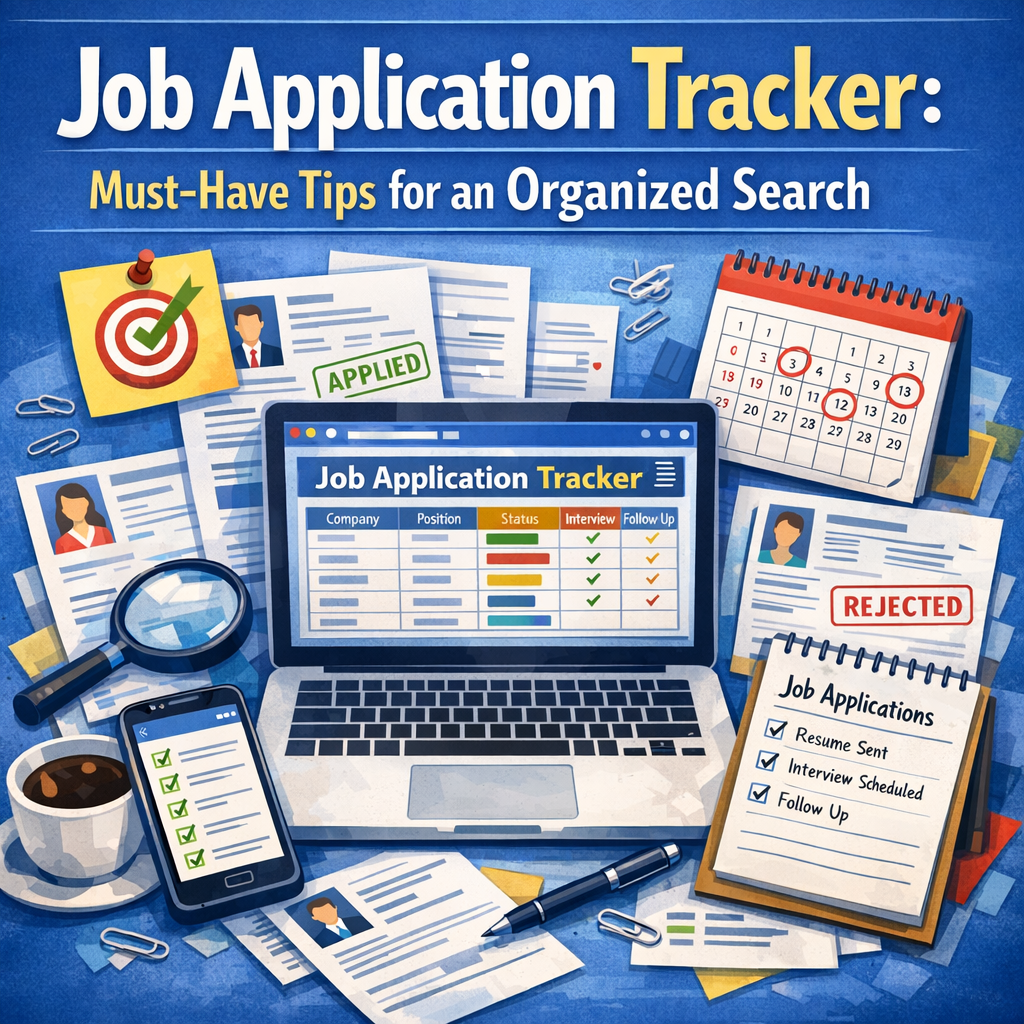
Job Application Tracker: Must-Have Tips for an Organized Search
Searching for a new job can be exciting, but it often turns into a complex process involving numerous applications, follow-ups, and deadlines. A job application tracker is an essential tool to keep this process manageable and stress-free. Whether you are applying to multiple roles at once or carefully targeting specific positions, having a system to organize your search can significantly improve your chances of success. In this article, we’ll share must-have tips for using a job application tracker effectively to stay on top of your job hunt and maintain an organized search.
Why Use a Job Application Tracker?
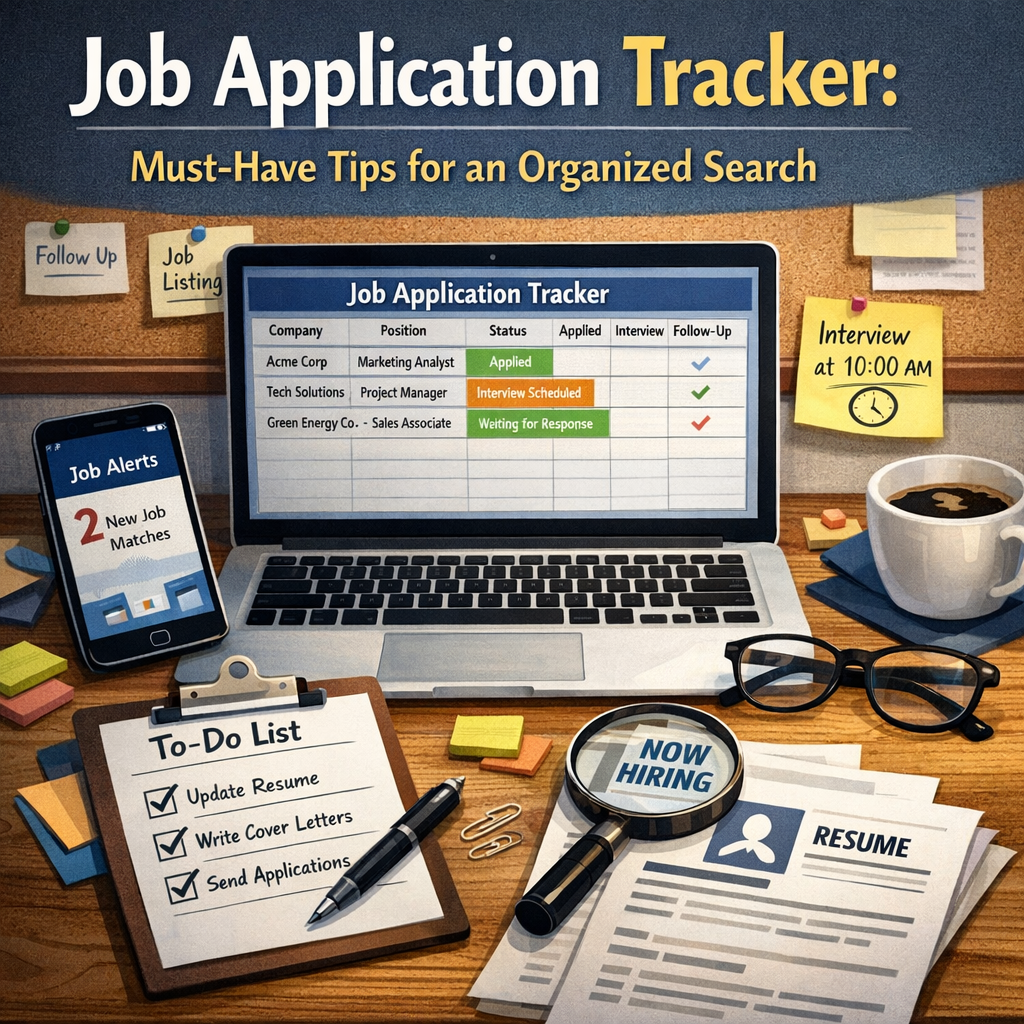
When you’re sending multiple applications, details can get lost or confused. You might forget which resume version you submitted to a particular company or miss a follow-up email deadline. A job application tracker helps you store all relevant information in one place — job titles, company names, application dates, status updates, and follow-up reminders. By organizing this data, you can efficiently monitor your progress, reflect on what works in your approach, and avoid duplication or mistakes.
Must-Have Tips for an Organized Search Using a Job Application Tracker
1. Choose the Right Format for Your Tracker
The first step is deciding the best format for your job application tracker. Digital tools like spreadsheets (Google Sheets or Excel), dedicated apps (Trelo, JibberJobber), or even note-taking apps can work well. Spreadsheets are particularly popular because of their flexibility and ease of sorting and filtering information.
Make sure your tracker includes columns for crucial details such as:
– Job Title
– Company Name
– Job Posting URL
– Date Applied
– Resume/Cover Letter Version Used
– Application Status (e.g., Applied, Interviewing, Rejected, Offer)
– Dates for Follow-up or Interview
– Notes (e.g., contact person, job requirements, feedback)
2. Log Every Single Application Immediately
To maintain accuracy, input every application into your tracker as soon as you submit it. Even if you apply for multiple roles in one sitting, take the time to document each entry properly. This habit prevents confusion later and helps you keep a clear timeline.
3. Customize Your Tracker to Fit Your Search Style
No two job searches are identical. You might be applying to roles across different industries or locations, or you could be juggling part-time and full-time opportunities. Adapt your tracker fields to capture what matters most to you. For example, add columns for salary range expectations, referral source, or interview details.
4. Set Reminders for Follow-Ups and Deadlines
An organized search depends not only on tracking applications but also on timely follow-ups. Many hiring managers appreciate candidates who check in after a week or two. Use your tracker to set automated reminders or mark dates manually to prompt follow-ups, thank you emails after interviews, or deadline tracking for assessments.
5. Reflect and Analyze Your Progress
An often overlooked benefit of a job application tracker is its ability to help you analyze your job search strategy. Look through your data weekly or bi-weekly—identify which companies respond faster, which job titles attract more interviews, or which resume versions get the best results. This reflection can help you tweak your approach and boost efficiency.
The Benefits of Keeping an Organized Search with a Tracker
Maintaining a well-organized job application tracker reduces stress and improves your professionalism. By having everything at your fingertips, you’ll never miss an opportunity or deadline. It also shows potential employers that you’re serious and detail-oriented, critical traits in any industry.
Additionally, an organized search turns a daunting process into a manageable project. As you progress, you can see tangible proof of your efforts — applications submitted, interviews scheduled, offers received — keeping your morale and motivation high.
Tips for Managing Multiple Applications Effectively
If you’re applying to multiple jobs simultaneously, staying organized is even more vital. Use color-coding in your tracker or filters to separate applications by priority or industry. Update statuses each time you hear back from employers to avoid redundant communications. Finally, remember to personalize each application rather than sending generic materials, an approach easier to maintain when your tracking system is well-structured.
Conclusion
A job application tracker is indispensable for anyone navigating today’s competitive job market. By carefully recording all your applications, setting reminders for next steps, and regularly reviewing your process, you transform chaos into an efficient and organized search. Embrace these must-have tips to take control of your job hunt and maximize your chances for success. With the right system in place, landing your next opportunity will feel less like a gamble and more like a well-planned journey.