No Experience Resume: Must-Have Work History Alternatives & Beginner CV Tips
Crafting a no experience resume can feel like a daunting challenge, especially when you’re just starting out in your career and don’t have a traditional work history to showcase. However, this is a common scenario for many recent graduates, career changers, or individuals re-entering the workforce, and it’s important to remember that a lack of formal employment does not mean your resume lacks value. By focusing on key alternatives to work history and incorporating smart beginner CV tips, you can create a compelling document that highlights your skills, potential, and enthusiasm.
Understanding the No Experience Resume Challenge
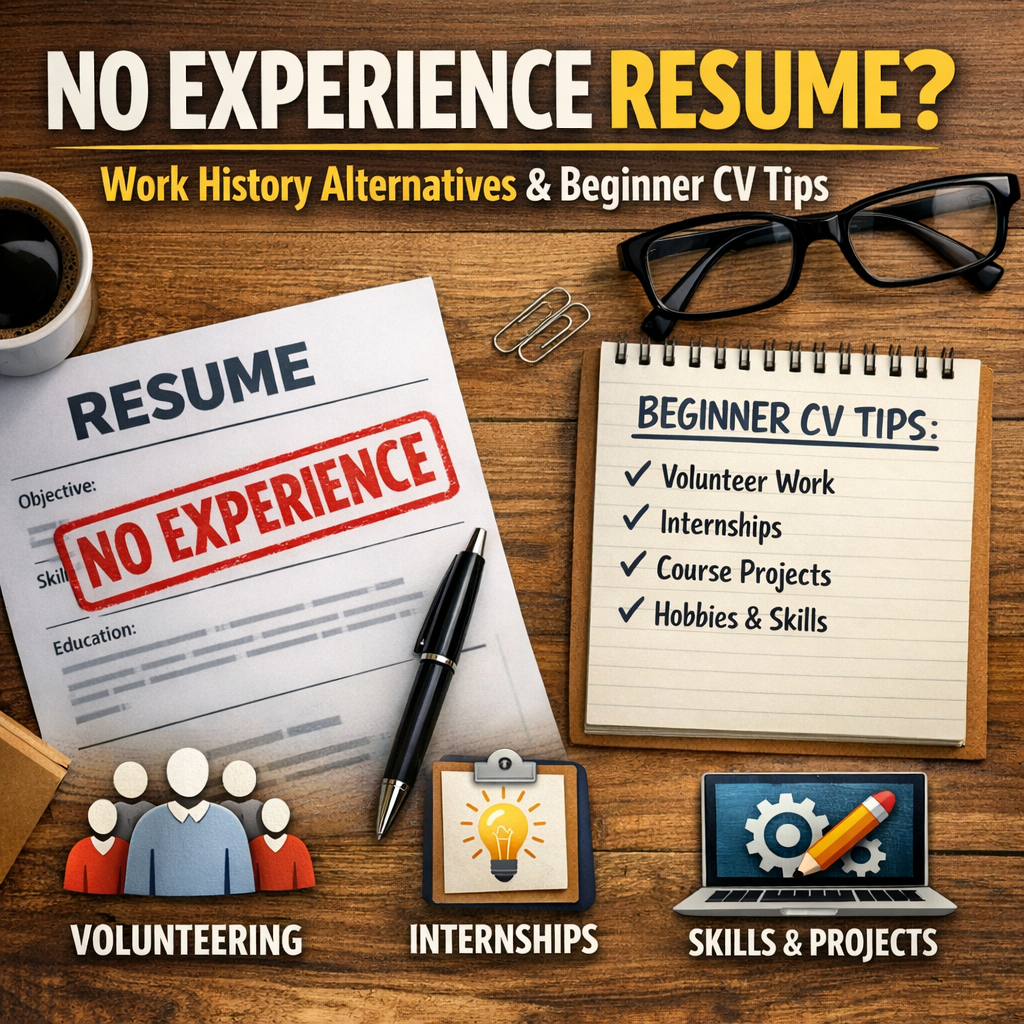
A resume’s typical purpose is to present your work history chronologically, demonstrating your career progression and accomplishments. But what happens when you have little to no professional experience? That’s where a no experience resume format becomes essential. This format shifts the focus away from conventional employment and instead highlights other relevant aspects such as education, volunteer work, internships, skills, and accomplishments that can signal your readiness for the job.
Work History Alternatives for a No Experience Resume
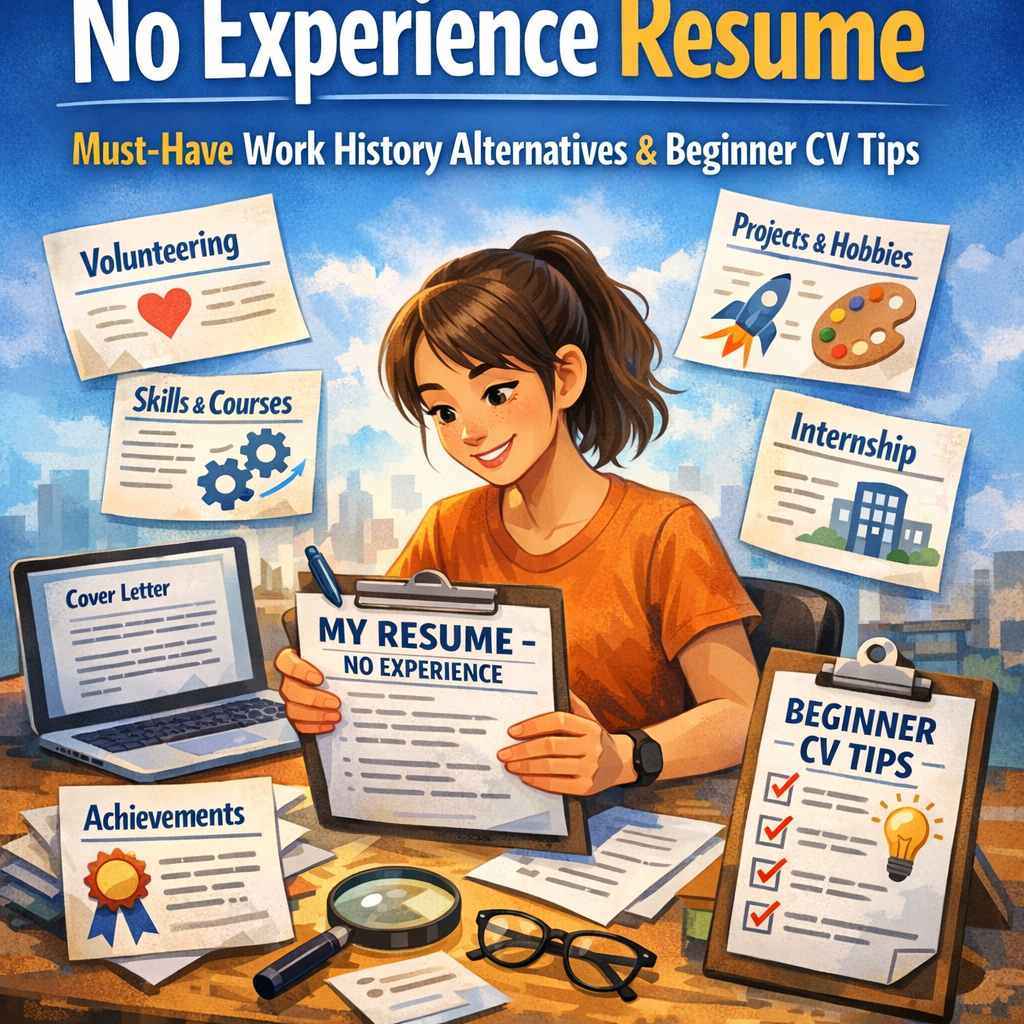
When creating a resume without traditional job history, including compelling work history alternatives is key to making a strong impression on hiring managers. Here are some effective substitutes to consider:
1. Internships and Apprenticeships
Even short-term internships offer valuable workplace exposure and demonstrate your initiative to gain hands-on experience. Clearly describe your role, responsibilities, and any specific projects you contributed to.
2. Volunteer Work
Volunteering showcases your commitment, teamwork, and organizational skills. Detail any relevant volunteer positions and how the experience relates to the job you’re applying for.
3. Academic Projects and Coursework
Highlighting relevant projects completed during your education can prove your practical knowledge and technical abilities. Mention any group work, presentations, or research papers that align with the industry.
4. Certifications and Online Courses
This is an excellent way to demonstrate continuous learning. Listing relevant certifications or completed online classes can fill gaps and show your dedication to building skills.
5. Extracurricular Activities
Participation in clubs, sports, or student organizations can reveal leadership capabilities, time management, and communication skills. These can be particularly impactful when you don’t have paid experience.
6. Transferable Skills
Focus on universal skills employers value, such as problem-solving, communication, teamwork, and time management. Use examples from your various life experiences demonstrating these traits.
Beginner CV Tips to Make Your No Experience Resume Stand Out
Creating a successful beginner CV requires strategy, clarity, and confidence. Here are some valuable beginner CV tips to help you stand out:
1. Use a Functional or Skills-Based Format
Instead of the reverse-chronological format, consider a functional resume that organizes content by skills and qualifications. This approach de-emphasizes work history and highlights abilities you bring to the table.
2. Write a Strong Professional Summary
Start your resume with a concise professional summary that communicates your enthusiasm, key skills, and career goals. This hooks the employer and encourages them to read on.
3. Tailor Your Resume for Each Job
Customize your resume to align with the job description. Use the keywords found in the posting and focus on the skills and experiences that match what the employer seeks.
4. Quantify Achievements When Possible
Even if your experience is academic or volunteer-based, try to include numbers or measurable outcomes. For example, “Organized a campus event attended by 100+ students” is more impactful than a vague description.
5. Keep It Clear and Concise
Make sure your resume is easy to read with clear headings, bullet points, and consistent formatting. Stick to one page if possible, especially when you have limited experience.
6. Include a Cover Letter
Whenever possible, send a cover letter along with your resume. This allows you to explain your enthusiasm, provide context for your no experience resume, and highlight your motivation to learn.
Additional Tips for Building Confidence in Your No Experience Resume
Confidence plays a crucial role when presenting yourself to employers. Keep in mind that everyone starts somewhere, and your willingness to learn and grow is a valuable asset. Use online templates and resume builders to help with structure if needed, and don’t hesitate to seek feedback from mentors, career advisors, or peers.
Moreover, consider gaining some practical experience through freelance projects, part-time jobs, or online volunteering to strengthen your resume over time. Networking and informational interviews can also open doors and provide insider insights into what employers in your target field want to see.
Conclusion
Developing a no experience resume is definitely achievable with the right approach. By focusing on work history alternatives such as internships, volunteer work, and relevant projects, combined with smart beginner CV tips, you can create a document that highlights your strengths and potential. Remember, the goal is to present yourself as a capable and eager candidate ready to contribute and grow. With persistence and thoughtful preparation, your first professional success is well within reach.