Remote Job Keywords: Must-Have Tips for Smarter Online Search Success
In today’s competitive job market, mastering remote job keywords is essential for anyone looking to land a position that allows working from anywhere. With the increasing shift towards flexible work arrangements, employers use specific terms and algorithms to filter through thousands of applications. Understanding how to leverage these keywords can transform a vague, sprawling job hunt into a focused, efficient pursuit, maximizing your chances for smarter online search success and securing well-matched roles through targeted applications.
Why Remote Job Keywords Matter
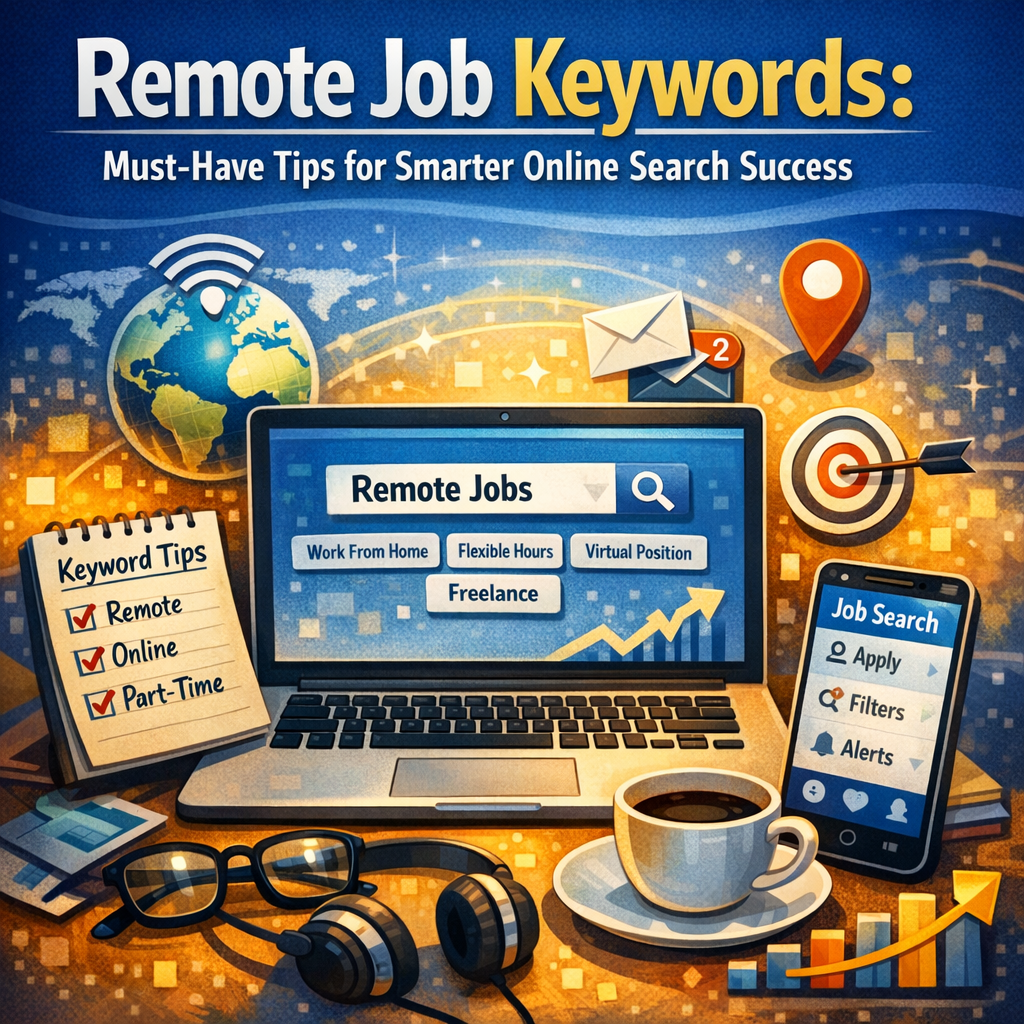
When you submit an application for a remote job, it’s not just your resume and cover letter that do the talking. Many companies use Applicant Tracking Systems (ATS), software that scans for relevant keywords before a human ever sees your documents. If the right phrases related to remote work aren’t present, your application might never reach a recruiter’s desk.
Remote job keywords are specific words or phrases candidates include in their resumes and profiles that speak to the skills, tools, and work styles unique to remote jobs. These can range from technical competencies like “Zoom,” “Slack,” or “asynchronous communication,” to soft skills such as “self-motivation” and “time management.”
By carefully identifying and incorporating these keywords, you align your application with precisely what employers seek, boosting your visibility in job searches.
How to Identify Effective Remote Job Keywords
Finding the right remote job keywords requires more than guesswork—it calls for strategic research. Here are some proven ways to locate the most relevant keywords tailored to your desired role:
1. Analyze Job Descriptions Closely
Start by collecting multiple job postings for remote roles that interest you. Read through them line by line, highlighting recurring terms, skills, and requirements. For example, if “remote team collaboration” or “project management tools” appear frequently, those are critical keywords signaling what employers value.
2. Explore Remote Work Platforms
Websites such as We Work Remotely, Remote.co, and FlexJobs offer curated remote listings. Browse these platforms to identify keywords unique to remote opportunities, which might be overlooked on general job boards.
3. Use Keyword Research Tools
Leverage online tools like Jobscan or LinkedIn’s job insights to analyze keywords that boost application success rates. These tools can compare your resume against job postings and recommend missing keywords to add for better results.
Incorporating Remote Job Keywords for Smarter Online Search
Once you have a list of essential keywords, the next step is weaving them naturally into your resume, cover letter, and online profiles to unlock smarter online search advantages.
Optimize Your Resume and Cover Letter
– Tailor per Application: Customize your resume for each job by mirroring the keywords from its description. This signals to the ATS and hiring managers your qualifications match their exact needs.
– Use Contextual Phrasing: Instead of just listing keywords, embed them within achievements and responsibilities. For example, “Led daily stand-ups using Zoom to coordinate remote teams across time zones” demonstrates both the keyword and your competency.
– Balance Keywords and Readability: Avoid keyword stuffing, which can seem unnatural and reduce readability. Strike a balance by integrating keywords thoughtfully throughout your content.
Boost Your Online Presence
Recruiters often search LinkedIn and other professional networks when hiring for remote roles. Make sure your profiles include remote-friendly keywords to appear in targeted searches.
– In your LinkedIn headline and summary, mention terms like “remote project manager,” “distributed team leader,” or “expert in remote collaboration tools.”
– Highlight certifications related to remote work, like training in virtual communication platforms or time-management methodologies.
Targeted Applications: The Key to Efficient Remote Job Hunting
Focusing on targeted applications rather than sending out hundreds of generic resumes is a game-changer for your job search success.
– Narrow Your Focus: Use keywords to filter and identify jobs that truly match your skills and remote work preferences.
– Customize Effectively: Tailored resumes and cover letters leveraging appropriate keywords show deliberate interest and professionalism.
– Follow Up Thoughtfully: Keep track of the keywords and requirements you addressed so you can reference them during interviews or follow-ups, reinforcing your fit.
Final Thoughts: Empower Your Remote Job Search with Keywords
Incorporating strategic remote job keywords is not just about beating ATS filters—it’s about presenting yourself as the ideal candidate for dynamic, flexible roles. With thoughtful research, intelligent keyword integration, and a commitment to targeted applications, you position yourself for smarter online search success that opens doors to exciting remote career opportunities.
Embrace this approach, and watch your remote job search become more productive, purposeful, and promising. Your next great remote job may be just a keyword away!