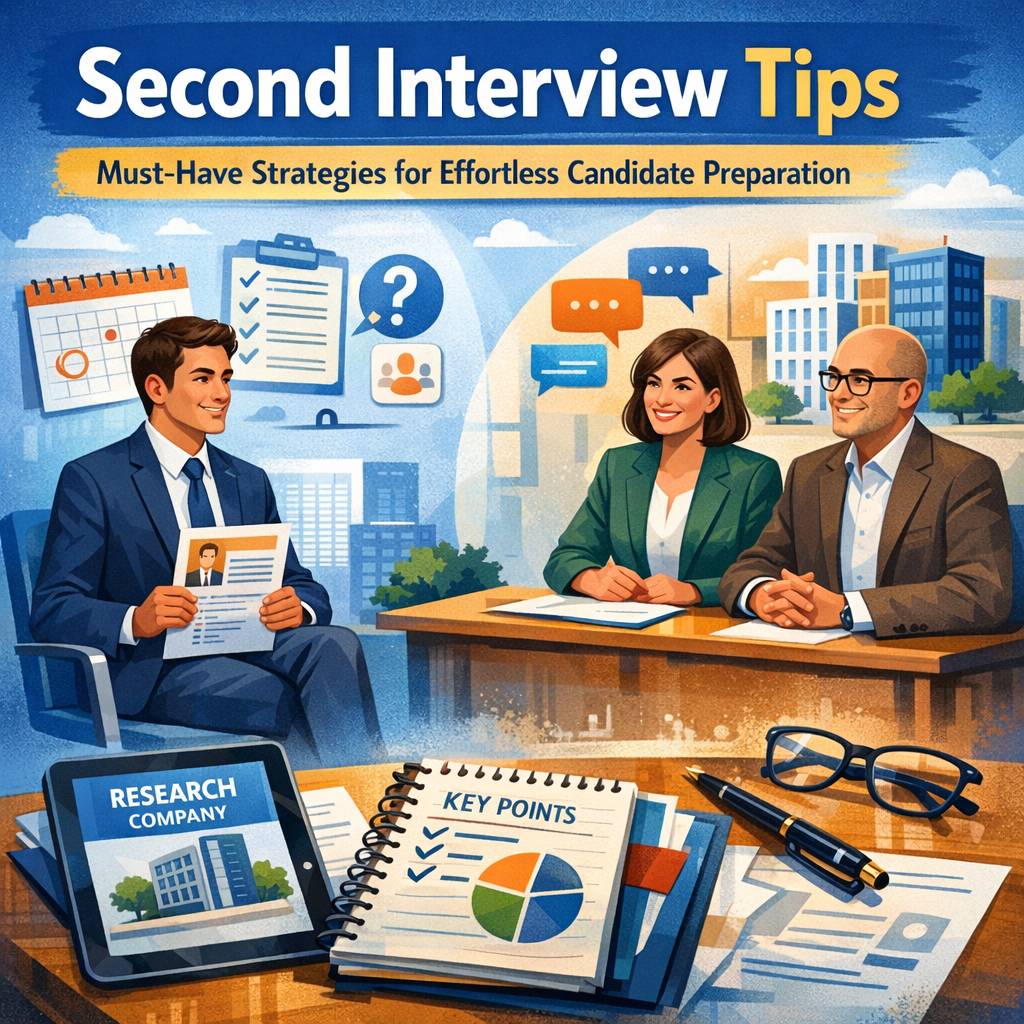
Second Interview Tips: Must-Have Strategies for Effortless Candidate Preparation
Navigating a second interview can feel like a pivotal moment in the job search journey. Unlike the initial screening, the second interview typically dives deeper into your skills, experiences, and cultural fit within the company. To succeed, candidates must approach this phase with confidence and strategic preparation. In this article, we’ll explore essential second interview tips to help you excel, especially in the context of later stage hiring. With effective candidate preparation, you can transform this opportunity into a successful career move.
Understanding the Importance of the Second Interview
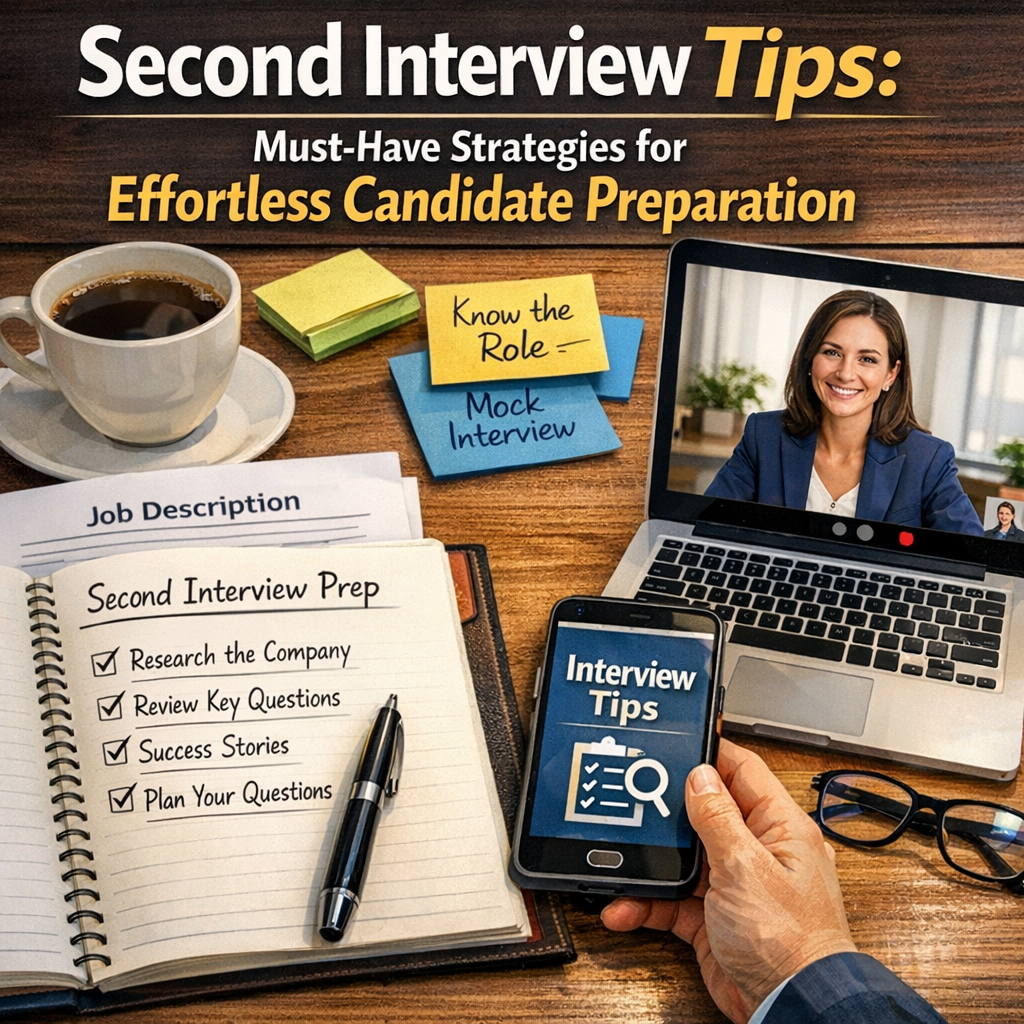
Before diving into specific second interview tips, it’s important to understand why this stage matters. The first interview often focuses on assessing whether you meet the basic qualifications and fit the job description. By the second interview, employers are more interested in evaluating your problem-solving abilities, how you handle real-world scenarios, and whether your personality aligns with the team’s dynamics.
Second interviews often involve meeting multiple stakeholders, such as department heads, team members, or even future colleagues. This means you’ll need to customize your communication style and demonstrate adaptability. Preparing for this phase is not only about rehearsing answers to common questions but also about showcasing your professionalism and enthusiasm for the role.
Top Second Interview Tips for Success
1. Research the Company and Interviewers Thoroughly
One of the most effective second interview tips is to deepen your research. While you likely researched the company before your first interview, now is the time to go further. Understand the company’s current challenges, recent projects, and long-term goals. If possible, learn about the interviewers on LinkedIn or the company website to identify shared interests or professional backgrounds.
This knowledge allows you to tailor your answers and questions, showing you’re genuinely invested in the company’s success. When interviewers see that you’ve taken the time to understand their work environment, it leaves a strong positive impression.
2. Prepare for Behavioral and Situational Questions
Later stage hiring typically involves rigorously testing a candidate’s problem-solving approach and soft skills. Employers want to hear about specific experiences where you demonstrated leadership, teamwork, or overcame obstacles. Use the STAR method (Situation, Task, Action, Result) to craft detailed responses that clearly highlight your role and impact.
For instance, if asked about managing a project under a tight deadline, explain the context, your responsibilities, the steps you took, and the outcome. Practicing this technique will help you provide structured answers that resonate well with interviewers.
3. Show Depth in Your Skillset and Industry Knowledge
During later stage hiring, employers expect candidates to not just list skills but to demonstrate depth and insight. Be ready to discuss how your expertise has evolved and how you stay updated with industry trends. Whether it’s certifications, workshops, or self-learning initiatives, sharing your continuous learning journey can set you apart from other candidates.
4. Prepare Thoughtful Questions for the Interviewers
Second interviews are as much about you assessing the employer as they are about the employer assessing you. Prepare insightful questions that reflect your research and genuine curiosity. Instead of generic questions like “What are the company’s values?”, consider asking about current challenges the team faces or how success is measured in the role you’re applying for.
This not only gives you better insight into the position but also highlights that you are already thinking about how you can contribute.
5. Practice Professionalism and Positivity
Candidate preparation involves much more than just polishing your answers. Pay attention to your body language, tone, and overall demeanor. Arrive on time, dress appropriately for the company culture, and be polite to everyone you meet.
Maintain a positive attitude throughout the interview, even when discussing challenging situations or previous job setbacks. Interviewers appreciate candidates who demonstrate resilience and a growth mindset.
6. Follow Up With a Personalized Thank-You Note
Sending a thoughtful thank-you email shortly after your second interview reinforces your interest and professionalism. Reference specific points discussed during the interview, and briefly reiterate why you feel you’re a strong fit for the role. This extra step can leave a lasting impression and help keep you top of mind in the hiring process.
Final Thoughts on Second Interview Tips and Candidate Preparation
Later stage hiring processes aim to ensure that the candidate is not only qualified but also the right cultural fit. By leveraging these second interview tips, you can transition from a promising applicant to a top candidate with ease. Effective candidate preparation—rooted in research, practiced responses, and genuine engagement—builds confidence and sets the stage for success.
Remember, the second interview is not just an evaluation but an opportunity for you to demonstrate your value, clarify expectations, and build rapport with your potential future team. Take the time to prepare thoughtfully, and you’ll appear polished, knowledgeable, and ready to take on the role.