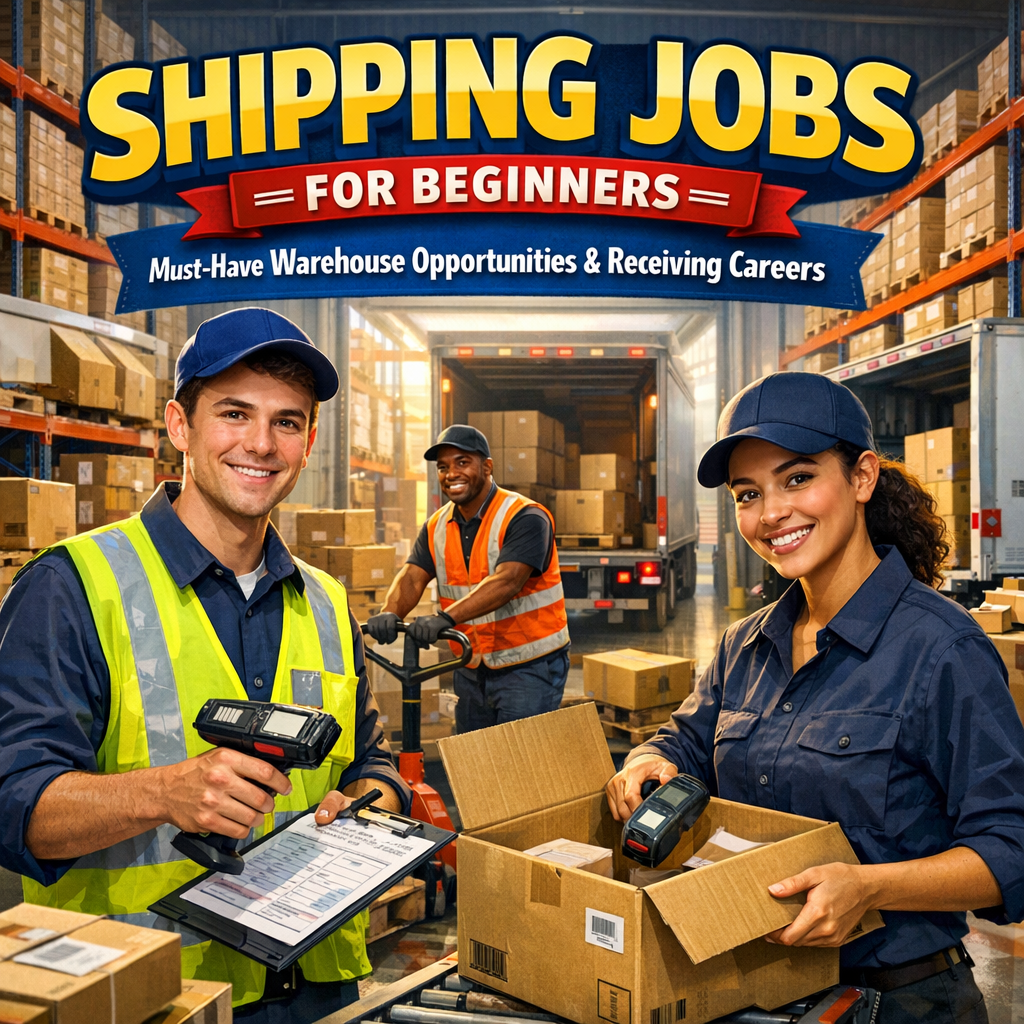
Shipping Jobs for Beginners: Must-Have Warehouse Opportunities & Receiving Careers
Shipping jobs offer a promising gateway for beginners looking to enter the logistics and supply chain industry. These roles serve as the backbone of the global economy, ensuring that products move efficiently from manufacturers to consumers. For those new to the workforce or simply exploring new career paths, the shipping sector provides accessible entry points. In particular, warehouse opportunities and receiving clerk careers stand out as excellent starting points for gaining valuable skills and experience.
Why Choose Shipping Jobs for Beginners?

Shipping jobs are ideal for beginners for several reasons. First and foremost, these positions often require minimal prior experience, with on-the-job training frequently provided. This makes them accessible for a wide range of individuals — from recent high school graduates to career changers looking for a stable and hands-on job.
Moreover, the shipping industry is known for its steady demand. As e-commerce continues to grow rapidly, warehouses and receiving departments are busier than ever, needing reliable workers to keep operations running smoothly. Stability and growth potential make shipping jobs an attractive option for those seeking long-term employment.
Warehouse Opportunities: The Heart of the Shipping Process
Among shipping jobs, warehouse opportunities are some of the most plentiful and varied positions you’ll find. Warehouses are central hubs where incoming goods are received, sorted, stored, and then prepared for shipment. This environment offers numerous entry-level roles that allow beginners to build foundational skills.
Typical Warehouse Roles for Beginners
– Material Handler: Responsible for moving goods around the warehouse using equipment such as forklifts or pallet jacks.
– Picker/Packer: Picks specific items from inventory based on orders and ensures they are packed correctly for shipping.
– Inventory Associate: Helps maintain accurate stock records using handheld scanners and computer systems.
– Shipping Clerk: Prepares shipping documentation and coordinates with carriers to ensure timely dispatch of goods.
Each of these positions plays a crucial role in the overall efficiency of a warehouse. Beginners can start in any of these roles, often with little more than basic education and physical fitness.
Skills Developed in Warehouse Opportunities
Starting in a warehouse bolsters practical skills such as attention to detail, time management, teamwork, and basic computer literacy through inventory software. Additionally, physical stamina and familiarity with safety protocols are critical qualities that are honed in this environment. These skills are transferable and highly valued across various industries.
Receiving Clerk Careers: A Specialized Path in Shipping Jobs
While many beginners start broadly in warehouses, receiving clerk careers offer a more specialized path. Receiving clerks focus specifically on the intake side of the shipping process. Their primary responsibility is to check and document incoming shipments to ensure accuracy and compliance.
The Role of a Receiving Clerk
Receiving clerks perform essential duties like inspecting shipments for damage, verifying order quantities against purchase orders, and accurately entering data into inventory systems. They might also coordinate with vendors and carriers to resolve discrepancies.
This role requires keen attention to detail and strong organizational skills. Clear communication is also important, as receiving clerks often collaborate with warehouse staff and procurement teams to maintain smooth supply chain operations.
Benefits of Pursuing Receiving Clerk Careers
For beginners, receiving clerk careers offer a unique opportunity to develop detailed knowledge of shipping documentation and inventory control. This experience can serve as a stepping stone for advanced positions such as shipping coordinator, inventory manager, or logistics analyst.
Moreover, receiving clerks often work in a structured environment that blends physical tasks with administrative duties, making it ideal for those seeking a well-rounded job.
How to Get Started in Shipping Jobs and Receiving Clerk Careers
Landing a beginner role in shipping or receiving typically involves a few straightforward steps:
1. Research Local Employers: Logistics companies, retail distribution centers, manufacturing plants, and third-party warehouses frequently have openings.
2. Prepare a Simple Resume: Highlight your reliability, willingness to learn, and any relevant skills such as basic computer knowledge or forklift certification if you have it.
3. Apply Online or In Person: Many warehouses list jobs on platforms like Indeed or company websites. Visiting local warehouses can also help make a good impression.
4. Be Ready for On-the-Job Training: Most employers provide hands-on training to familiarize new hires with equipment, safety guidelines, and process workflows.
5. Consider Certifications: While not always required, certifications like forklift operation or OSHA safety training can boost your employability and career advancement prospects.
Future Outlook: Growth and Advancement in Warehouse Opportunities
As the logistics and shipping industries continue evolving thanks to technology and growing consumer demand, warehouse opportunities are expanding. Automation and inventory management software are reshaping daily tasks, encouraging workers to develop technical proficiency.
For beginners, this means there are ample pathways for upward mobility. Starting in shipping jobs can lead to supervisory roles, operations management, or specialized logistics careers involving data analytics and supply chain optimization.
—
In conclusion, shipping jobs provide a rewarding starting point for beginners eager to enter the workforce and build a career in logistics. Whether through general warehouse opportunities or focused receiving clerk careers, there are many accessible roles that combine hands-on experience with skill development. Those willing to learn, work hard, and adapt to industry changes will find a solid foundation with plenty of room to grow in this dynamic sector.