Skills Based Resume: Must-Have Functional CV for Affordable Success
In today’s competitive job market, a skills based resume can be a game-changer, especially for candidates who want to highlight their abilities over their chronological work history. Also known as a functional CV, this alternative application style is gaining popularity among job seekers who aim to present their qualifications in a clear, concise, and impactful way. Understanding how to craft and leverage a functional CV can open doors to opportunities without the need for extensive or linear experience, making it an affordable and effective strategy for success.
What Is a Skills Based Resume?
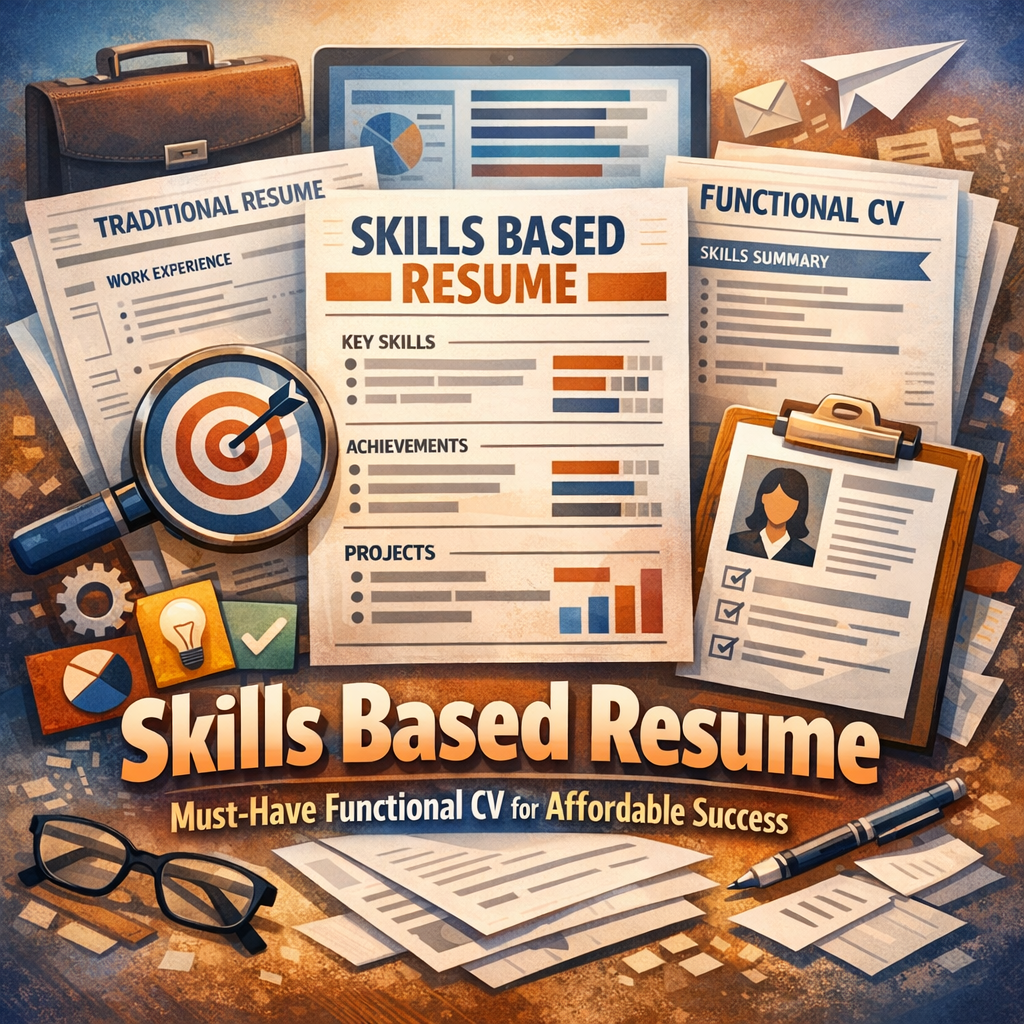
A skills based resume is a resume format constructed around your relevant abilities and competencies rather than your employment timeline. Unlike the traditional chronological resume that lists job titles and dates in reverse order, a skills based resume groups your talents into categories, emphasizing what you can do rather than when or where you learned it.
This type of resume is particularly useful for people who:
– Are changing careers
– Have gaps in their employment history
– Have limited professional experience
– Want to shift focus from job titles to accomplishments
– Are freelancers, contractors, or gig workers with varied experiences
By focusing on specific skill sets, the functional CV allows hiring managers to see the core strengths that a candidate brings to the table, which can outweigh gaps or untraditional work trajectories.
Why Choose a Functional CV?
The traditional resume style is excellent for showcasing steady career growth in the same industry or a clear progression of roles. However, it can sometimes hide valuable skill sets behind dates and job titles. Choosing a functional CV as an alternative application style offers several benefits:
– Highlight Transferable Skills: For those moving into a new sector, the functional CV puts transferable skills front and center, making it easier to match qualifications with job descriptions.
– Downplay Employment Gaps: Work gaps, whether due to personal circumstances, education, or travel, can be minimized because the focus is not on chronology.
– Focus on Achievements: Grouping skills rather than job roles helps draw attention to your successes and proficiencies.
– Flexible for Diverse Backgrounds: Freelancers, consultants, or people with multiple short-term roles can better represent their expertise without confusing timelines.
How to Structure a Skills Based Resume
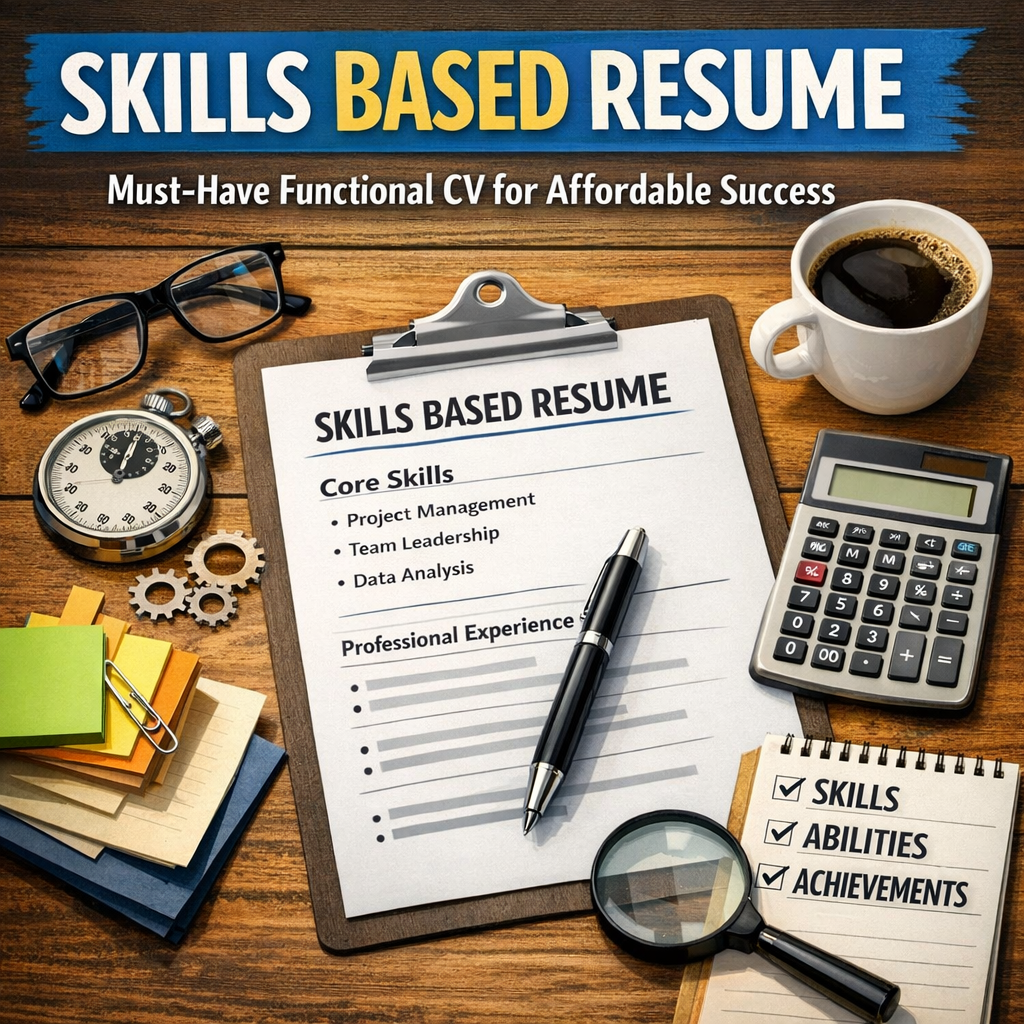
Crafting an effective skills based resume requires a thoughtful approach to content and layout. Here’s a simple guide to the core sections to include:
1. Contact Information and Professional Summary
Start with your name, phone number, email, and LinkedIn profile or portfolio link. Follow with a brief professional summary that communicates your core skills and career goals.
2. Skills Summary or Areas of Expertise
This is the heart of the functional CV. Break your skills into categories relevant to the job you want, such as:
– Technical Skills
– Communication Skills
– Leadership and Management
– Project Management
– Analytical Skills
Under each category, list key competencies and achievements that demonstrate your expertise.
3. Professional Experience (Brief)
Unlike the chronological resume, the professional experience section here is concise. Include job titles, companies, and dates but minimize details. Use bullet points sparingly or omit them entirely. This section serves to verify your employment history without being the main focus.
4. Education and Certifications
List your academic qualifications, certifications, and relevant trainings. For those who possess specific certifications tied to certain skills, this can reinforce your suitability for the role.
5. Additional Sections (Optional)
Consider including volunteer work, freelance projects, or awards that align with your skill sets to further support your functional CV.
Tips for Creating a Winning Skills Based Resume
To make the most of this alternative application style, bear in mind these best practices:
– Tailor Your Skill Categories: Customize your skills summary according to the job description to match keywords and requirements.
– Use Action-Oriented Language: Use strong action verbs to describe how you applied your skills or what you achieved.
– Quantify Your Impact: Where possible, include numbers, percentages, or results to show tangible outcomes.
– Keep It Clear and Concise: Avoid overwhelming the reader with too many skill categories or excessive text.
– Proofread and Format Professionally: Ensure your resume is free from errors and visually clean to make a positive impression.
Who Benefits Most from a Skills Based Resume?
Anyone can consider using a skills based resume, but certain groups may find it especially advantageous:
– Career Changers: Shifting industries or roles, needing to emphasize relevant skills that may come from unrelated jobs or education.
– Recent Graduates: With limited formal work experience but strong academic, volunteer, or internship skills.
– Returnees to Workforce: Individuals returning after a break who want to refocus on current abilities.
– Gig Workers and Freelancers: With project-based work lacking traditional job continuity.
Conclusion
Adopting a skills based resume as a functional CV offers an alternative application style that prioritizes capabilities over chronology, making it a must-have tool for affordable success in today’s job market. Whether you’re overcoming employment gaps, changing careers, or wanting to emphasize what you do best, this resume format helps you present a compelling narrative tailored to your strengths. By carefully structuring your skills and highlighting achievements, you can maximize your impact and enhance your chances of landing the right opportunity, all without relying solely on traditional career progression.