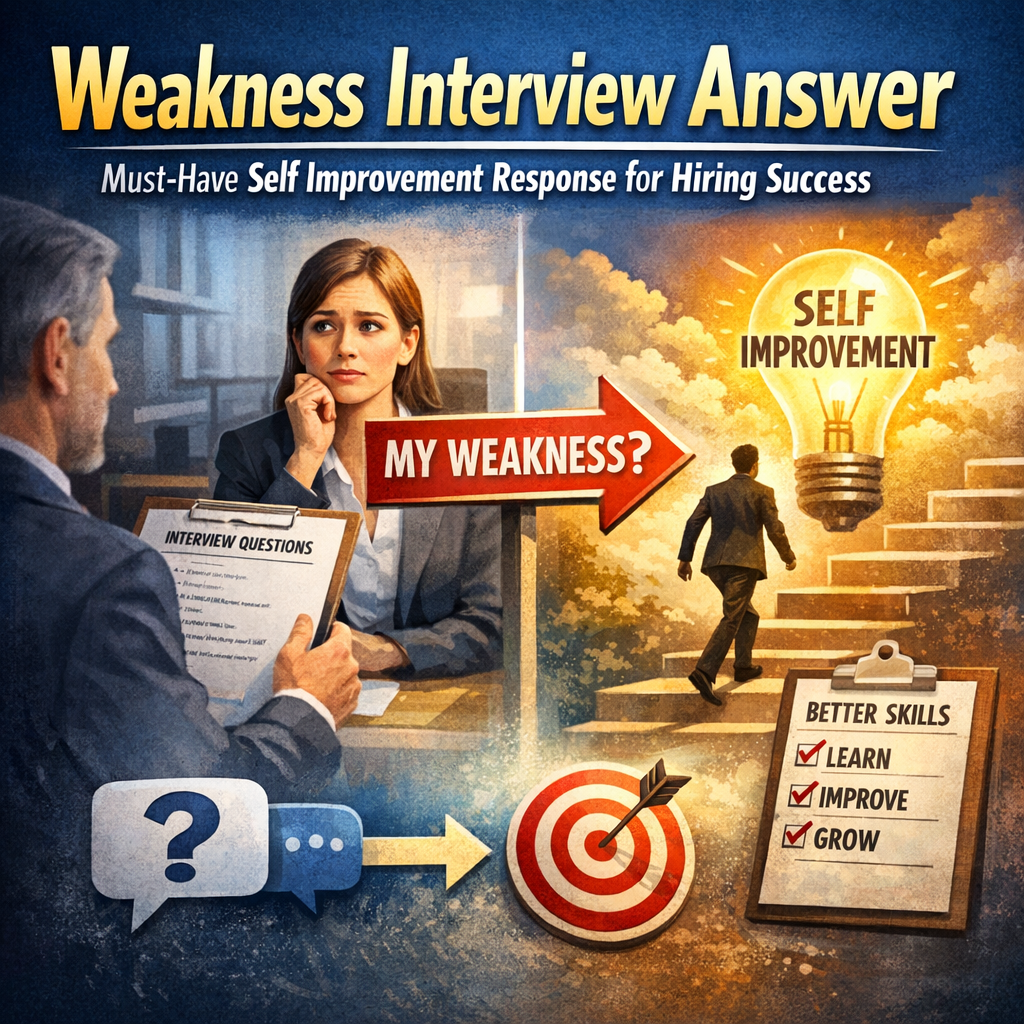
Weakness Interview Answer: Must-Have Self Improvement Response for Hiring Success
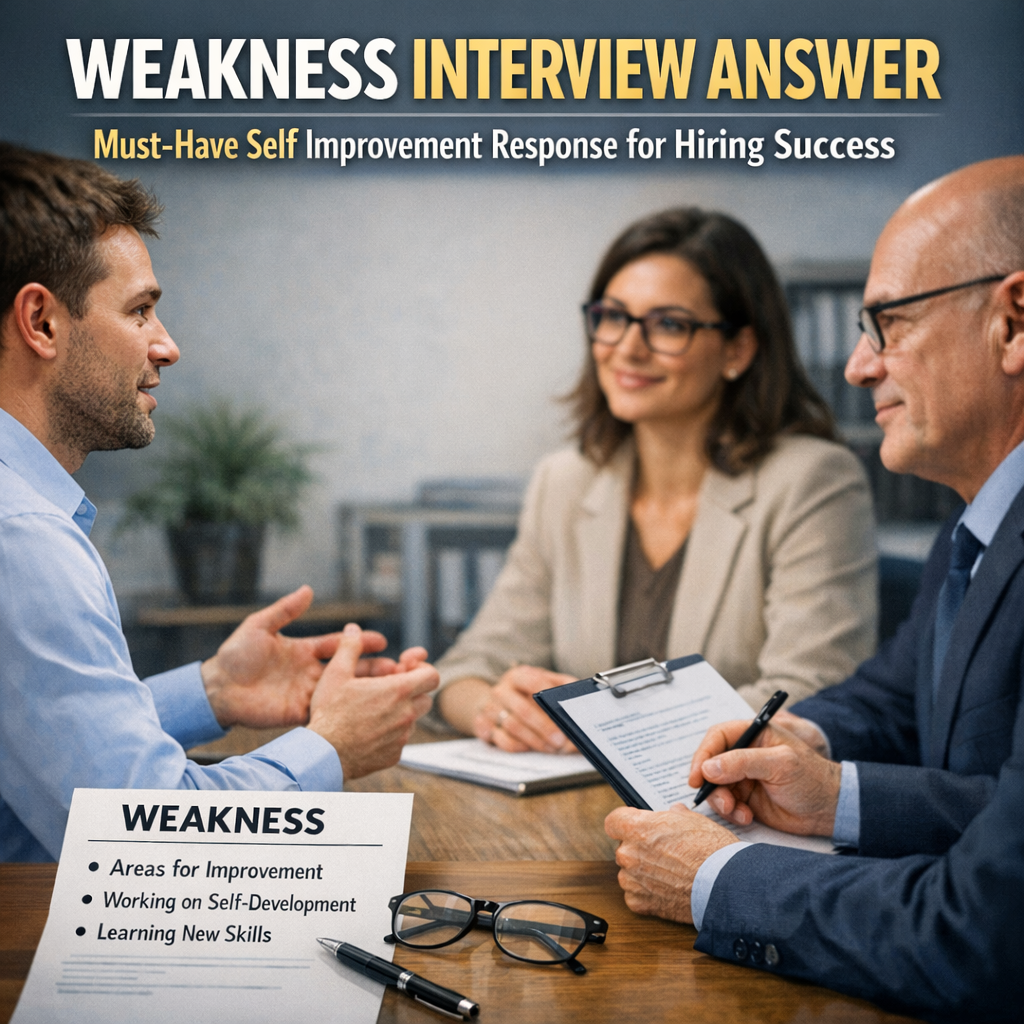
When preparing for a job interview, understanding how to craft a strong weakness interview answer is crucial. This particular question often causes anxiety among candidates, who may worry about exposing vulnerabilities. However, with the right approach, the weakness question becomes an opportunity to showcase self-awareness, honesty, and dedication to personal growth—qualities highly valued by employers. In this article, we will explore how to deliver an effective self improvement response that enhances your appeal and provides valuable hiring question help.
—
Why the Weakness Interview Answer Matters
The question “What is your greatest weakness?” is a classic interview query designed to assess your level of self-awareness and integrity. Hiring managers want to see that you can recognize areas where you need improvement without jeopardizing your ability to perform the job. A well-crafted answer reveals emotional intelligence and a proactive mindset.
Avoid simply stating a flaw and leaving it there; instead, transform your response into a narrative about your commitment to growth. This approach shifts the focus from a potential negative to how you take responsibility for self-improvement.
—
How to Structure Your Weakness Interview Answer
When constructing your response, follow a three-step formula:
1. Identify a Genuine but Manageable Weakness
Choose a real shortcoming that doesn’t critically impair your ability to do the job. Avoid cliché answers like “I’m a perfectionist” or weaknesses that could raise red flags.
2. Explain the Impact
Briefly describe how this weakness has affected your work or professional development in the past. This shows sincerity and self-reflection.
3. Demonstrate Your Self Improvement Response
The core of your answer should focus on the practical steps you have taken or are taking to overcome the weakness. This highlights your commitment to personal growth and adaptability.
—
Examples of an Effective Self Improvement Response
Example 1: Time Management
“One area I’ve been actively working on is my time management skills. Earlier in my career, I found it challenging to prioritize tasks when juggling multiple deadlines, which sometimes led to stress and last-minute work. Recognizing this, I started using project management tools and setting clear daily goals to improve my workflow. Over time, I’ve become much more efficient and able to deliver quality work on time. I continue to refine these techniques to ensure I maintain productivity during busy periods.”
Example 2: Public Speaking
“Public speaking hasn’t been my strongest suit, and I used to feel nervous presenting in front of large groups. Understanding the importance of this skill, I enrolled in a public speaking course and volunteered to lead team meetings to build confidence. While I’m still growing in this area, I’m proud of the progress I’ve made and actively seek opportunities to practice and improve further.”
—
Tips for Delivering Your Weakness Interview Answer
– Be Honest but Strategic: Authenticity is key, but always choose a weakness that won’t jeopardize the role you’re applying for.
– Stay Positive: Frame your answer with a focus on growth, not complaint.
– Practice Confidence: Deliver your answer calmly and confidently to show that you’re comfortable discussing your own development.
– Tailor to the Role: Select a weakness relevant enough to discuss but not critical enough to raise concerns.
—
How This Approach Provides Hiring Question Help
Many candidates struggle with how to answer the weakness question effectively, often fearing they might reveal a dealbreaker. Understanding how to give a self improvement response not only helps de-risk this question but also positions you as a candidate who embraces feedback and continuous learning—traits every employer appreciates.
By preparing a thoughtful answer, you reduce anxiety and improve your interview performance overall. This strategic preparation serves as valuable hiring question help that can differentiate you from other candidates.
—
Final Thoughts
Mastering your weakness interview answer is more than just having a rehearsed response—it’s about conveying a genuine narrative of growth, responsibility, and resilience. Employers want to see that you don’t shy away from challenges but actively work to better yourself. By focusing on a clear self improvement response, you demonstrate maturity and readiness to contribute effectively, increasing your chances of hiring success.
If you’re preparing for your next interview, take time to reflect on your areas for growth and the steps you’ve taken to improve. This will ensure your weakness question answer not only meets expectations but leaves a lasting positive impression.